Can a television drama break a centuries-old taboo regarding the depiction of Islamic figures?
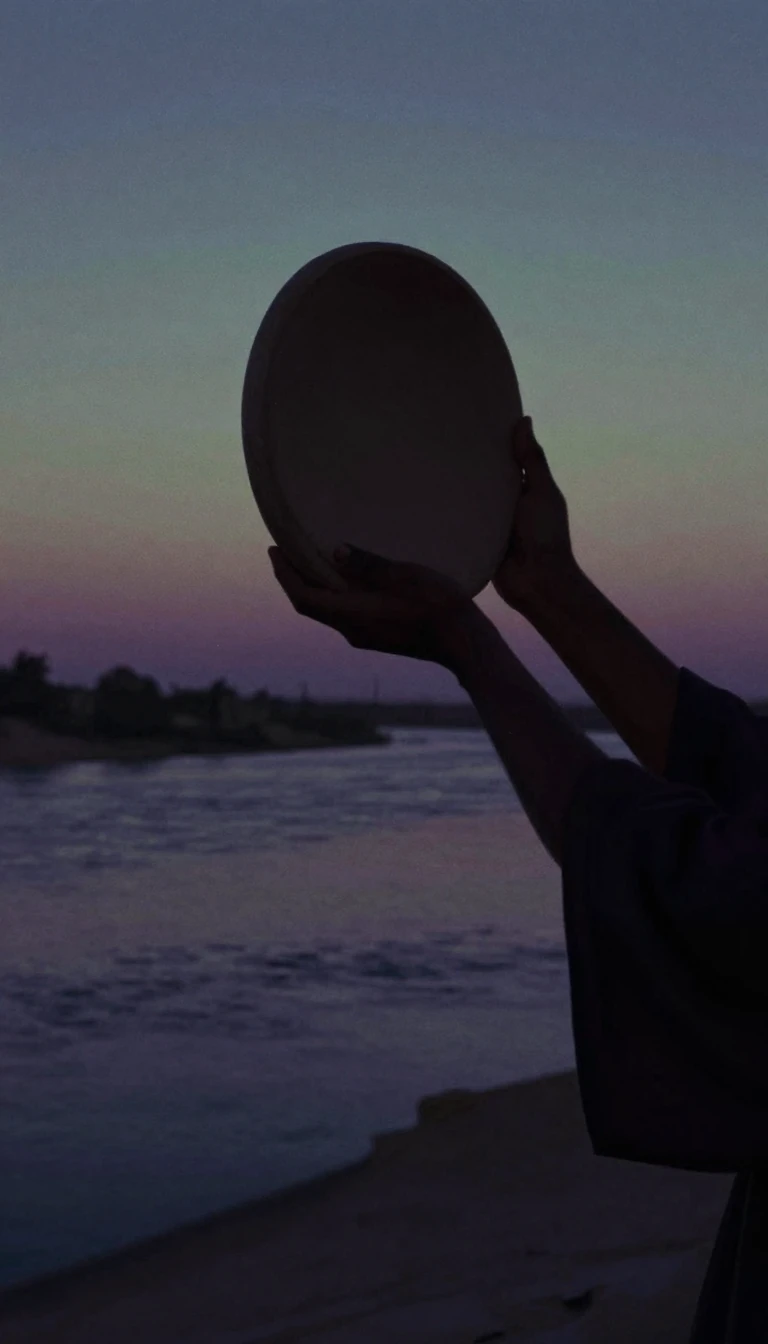
In short: The 2012 historical series Omar dared to visualize the lives of the Rashidun Caliphs, a practice long considered forbidden by many Islamic scholars. Produced with a massive budget and international technical expertise, the show sparked intense debate over historical accuracy, religious propriety, and the boundaries of artistic representation in faith.
The 31-episode miniseries Omar, directed by Hatem Ali and co-directed by Chadi Abo, chronicles the life of the second Rashidun caliph, Umar. Spanning his youth to his assassination, the production was a massive undertaking involving 30,000 actors and a technical crew drawn from 10 countries. Filmed primarily in Morocco, the project required 300 days of labor and a budget of 200 million Saudi riyals, approximately 53 million USD. The production team utilized advanced computer-generated imagery and elaborate sets to recreate the landscapes of ancient Mecca and Medina.
The series ignited significant controversy due to its portrayal of the four Rashidun Caliphs. Many prominent religious figures, including the head of the Council of Senior Religious Scholars in Saudi Arabia, condemned the project as a grave mistake and a religious offense. Critics argued that depicting these companions of Muhammad violated a consensus against representing such figures visually. Conversely, some scholars offered positive reviews, while others, like Zakir Naik, provided nuanced perspectives, suggesting that if viewers were determined to watch television, this production was preferable to other options.
Beyond religious objections, the series faced scrutiny for its historical choices. Critics pointed to inaccuracies, such as the depiction of Bilal ibn Rabah killing Umayyah ibn Khalaf, which contradicts traditional historical accounts. Other concerns included the omission of various Arab tribes essential to the historical narrative and the use of specific clothing styles that some argued violated Islamic tradition. Despite these criticisms, the series achieved international reach, being dubbed or subtitled for audiences in countries including Turkey, Indonesia, and Iran, signaling a complex legacy in the intersection of historical drama and religious sensitivity.
Opens the Intellect+ feed with this card first. Swipe up for the next one.
Sources
- Summary by Intellect · source: Omar (TV series)
To cite this card, link to https://intellectplus.co.uk/app/entertainment-omar-tv-series.
How we source, check and correct cards: Editorial standards.
General information, not professional advice. Spotted an error? Flag the card or see corrections and complaints.
Intellect Plus is a visual educational discovery platform for exploring fascinating facts and ideas. Brain Food, Not Brain Rot. What is Intellect Plus?
Related
More in TV series · More in Entertainment · Latest · A–Z · All topics
