Can a nature documentary series successfully pivot from passive observation to urgent environmental advocacy?
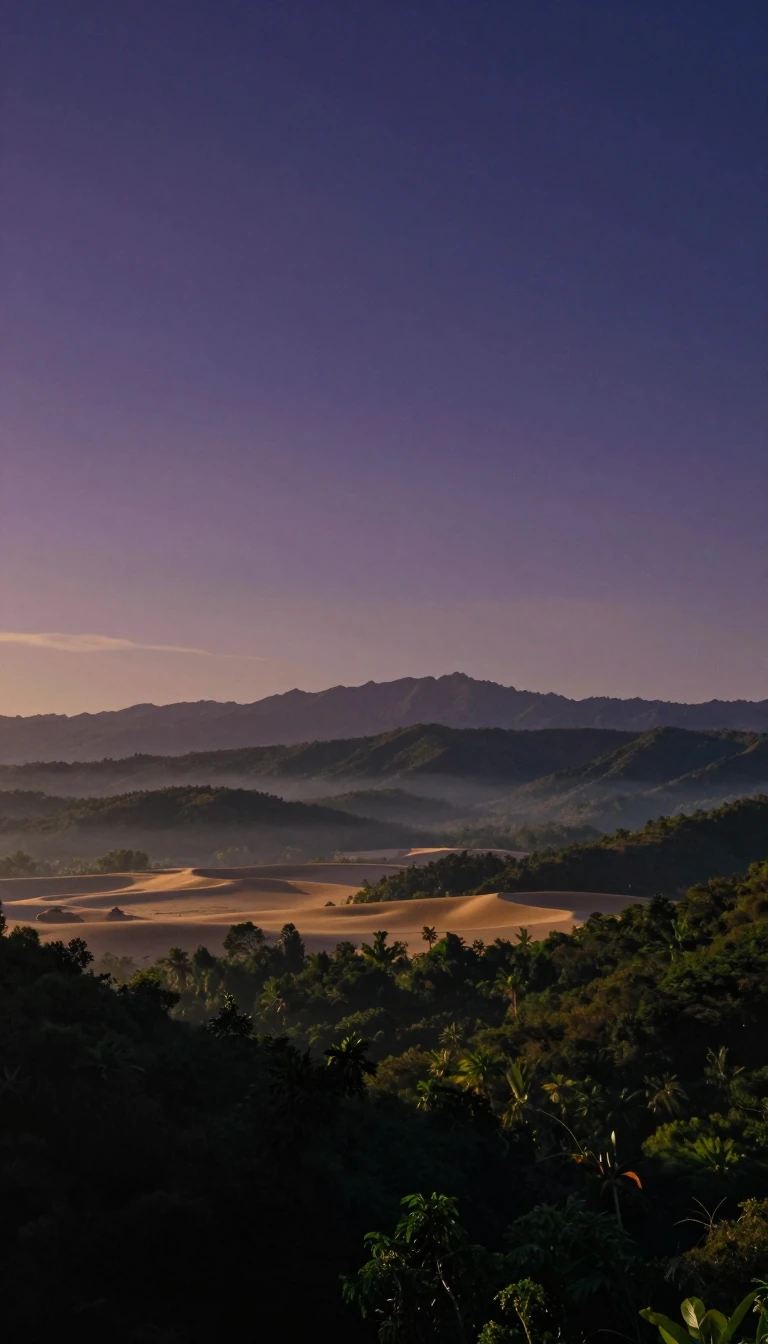
In short: Netflix's Our Planet broke the mold of traditional nature filmmaking by centering climate change as its primary narrative. Produced by the team behind Planet Earth, the series combines stunning cinematography with a stark, uncompromising look at human-driven environmental degradation, challenging viewers to confront the fragility of our global ecosystems.
Released on 5 April 2019, Our Planet was the first nature documentary series produced by Netflix. Led by executive producers Alastair Fothergill and Keith Scholey, the project was nine and a half years in the making. The production spanned 50 countries and involved over 600 crew members, resulting in a series that prioritizes the interconnectedness of species over the passive, observational style of earlier BBC documentaries. Narrated by David Attenborough, the show aims to educate global audiences on the necessity of environmental action.
The series has sparked significant debate regarding its editorial approach. While critics like Kevin Yeoman of Screen Rant praised its straightforward presentation of environmental facts, others, such as Lucy Jones of The Independent, argued that the series did not go far enough. Jones contended that while the show highlights the scale of ecological crisis, it avoids naming specific industries—such as fossil fuels, fishing, or agriculture—that drive environmental destruction. Conversely, some reviewers, including Ed Power of The Telegraph, felt the focus on cinematic grandeur sometimes overshadowed the narrative, leading to a familiar, if visually dazzling, experience.
The series also faced scrutiny for its production techniques. Producers confirmed that a harrowing segment featuring walruses was edited together from footage captured at two separate Russian haul-out sites in 2017. Despite such controversies and complaints from some parents regarding graphic content, the series achieved massive reach, with Netflix reporting 100 million household views by March 2021. Its impact extended beyond streaming; during the COVID-19 pandemic, Netflix made the series available for free on YouTube as an educational resource, and in 2020, it became the first Netflix original documentary to air on conventional television in Indonesia.
Ultimately, Our Planet represents a shift in the genre. By weaving themes of mass extinction and habitat loss directly into its narration, the series attempts to move beyond mere spectacle. Whether it succeeds as a call to action or remains a beautiful, albeit traumatic, visual record of a changing world remains a subject of ongoing critical discussion.
Opens the Intellect+ feed with this card first. Swipe up for the next one.
Sources
- Summary by Intellect · source: Our Planet
- Also: Wikidata — Our Planet · CC0
To cite this card, link to https://intellectplus.co.uk/app/entertainment-our-planet.
How we source, check and correct cards: Editorial standards.
General information, not professional advice. Spotted an error? Flag the card or see corrections and complaints.
Intellect Plus is a visual educational discovery platform for exploring fascinating facts and ideas. Brain Food, Not Brain Rot. What is Intellect Plus?
Related
More in TV series · More in Entertainment · Latest · A–Z · All topics
