The 1961 disaster film that predicted a 'boiling planet'
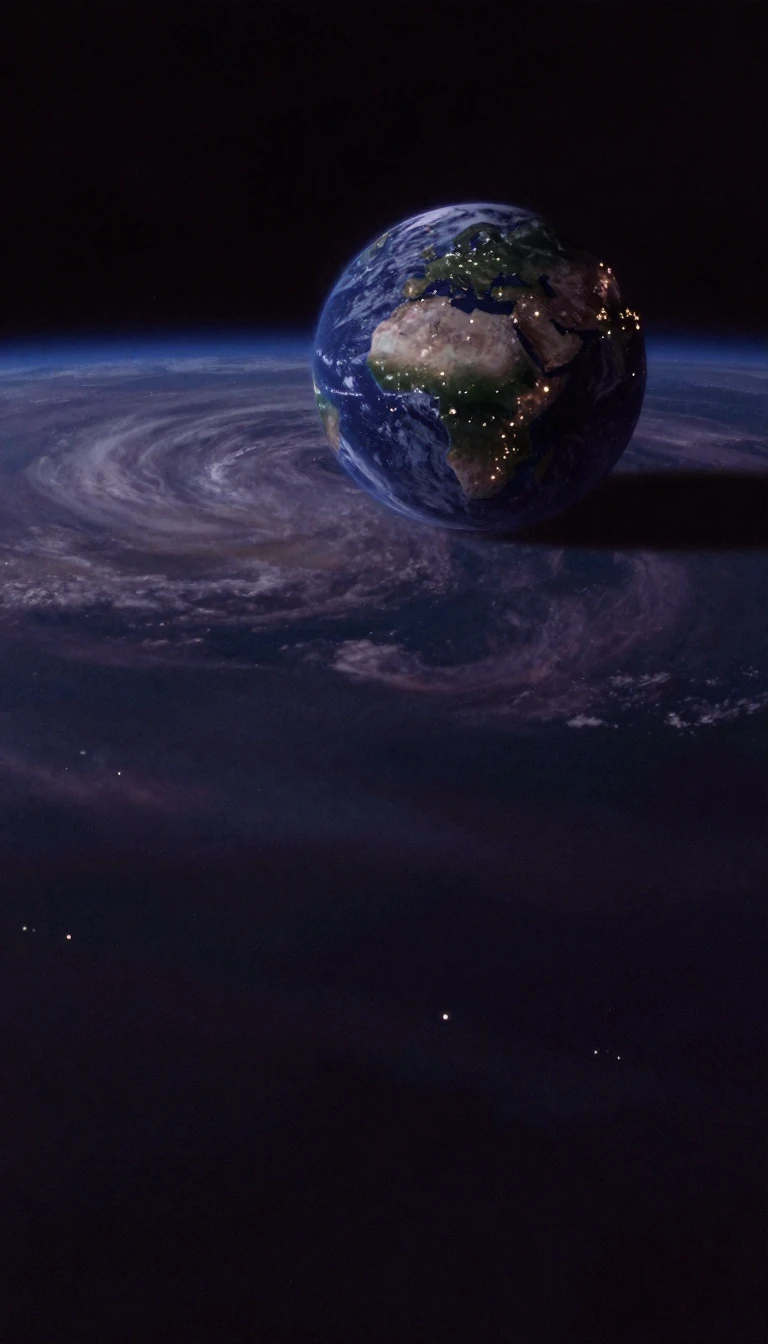
In short: In 1961, British cinema produced an apocalyptic vision of Earth spiraling toward the Sun. While it served as a classic sci-fi disaster flick, its narrative explored a chilling reality: how human experimentation with nuclear power could fundamentally alter planetary physics—turning the world into a literal furnace.
Directed by Val Guest and released in November 1961, 'The Day the Earth Caught Fire' follows journalist Peter Stenning as he witnesses a global catastrophe. The film posits that simultaneous nuclear tests by the United States and the Soviet Union triggered catastrophic meteorological shifts. These weren't just local weather patterns; the narrative describes an alteration of the Earth's nutation and an increase in axial tilt by 11 degrees, causing climatic zones to shift violently as temperatures soared.
The production was noted for its grounded realism, utilizing the real Daily Express headquarters on Fleet Street and casting actual editor Arthur Christiansen. This 'sense of place' anchored the high-concept sci-fi: a world where water evaporates into mist, solar eclipses occur ahead of schedule, and the planet begins to spiral toward the Sun. The government eventually resorts to a desperate plan—detonating nuclear bombs in western Siberia to stabilize the orbit.
While the film is often remembered for its visual flair and 'tautly intelligent' script, it carried a specific political subtext. Guest intended it as an anti-bomb message, suggesting that while mankind could not fight God or the elements, they had instead chosen to weaponize those very forces. The ending remains famously ambiguous; while the American release added church bells to imply success, Guest maintained his original intent was to leave the fate of humanity uncertain, reflecting a fatalistic view of human progress.
The film's legacy is cemented by its critical acclaim and commercial success, earning a BAFTA for Best Film Screenplay in 1962. Despite being dismissed by many producers during development who claimed 'nobody wants to know about the bombs,' it became a significant cultural touchstone for Cold War anxieties regarding technological overreach.
Opens the Intellect+ feed with this card first. Swipe up for the next one.
Sources
- Summary by Intellect · source: The Day the Earth Caught Fire
To cite this card, link to https://intellectplus.co.uk/app/history-the-day-the-earth-caught-fire.
How we source, check and correct cards: Editorial standards.
General information, not professional advice. Spotted an error? Flag the card or see corrections and complaints.
Intellect Plus is a visual educational discovery platform for exploring fascinating facts and ideas. Brain Food, Not Brain Rot. What is Intellect Plus?
Related
More in Born on this day · More in History · Latest · A–Z · All topics
