Why a 1957 novel about the end of the world still haunts us today
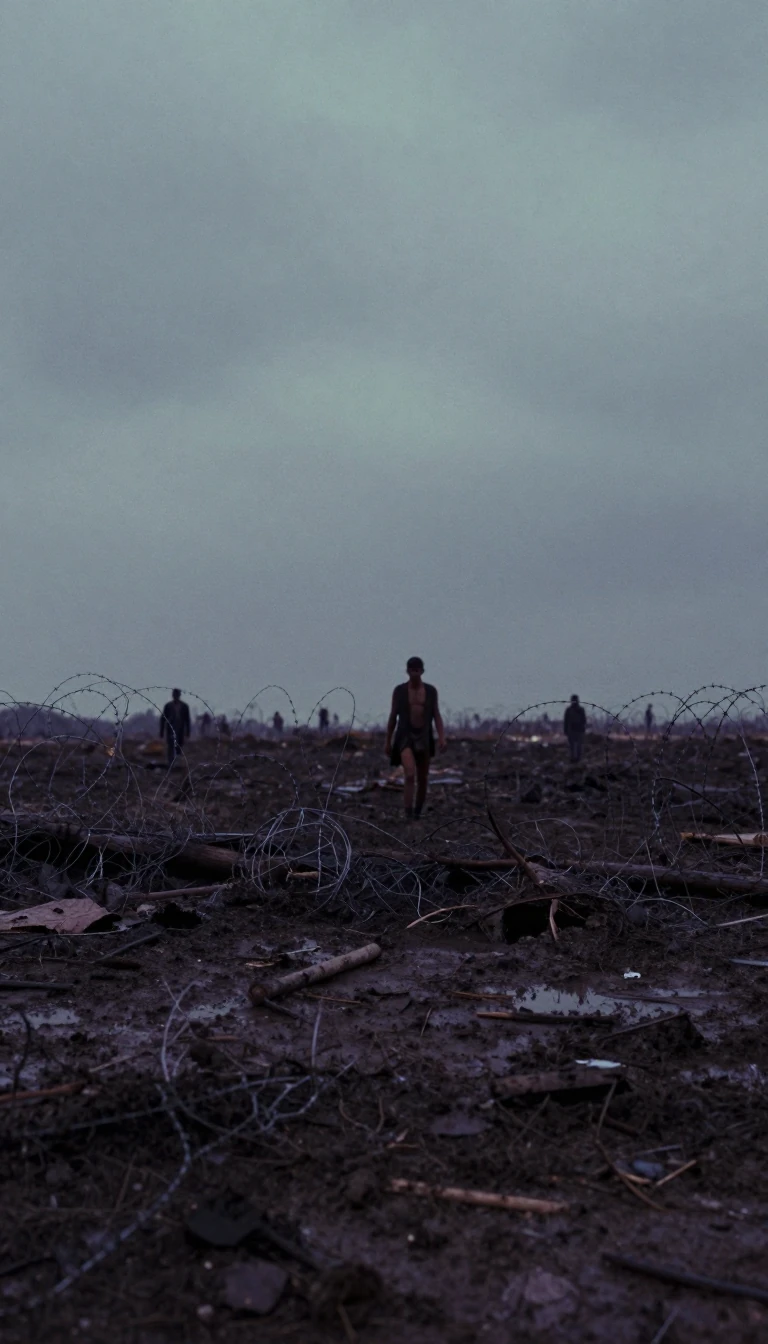
In short: Nevil Shute’s On the Beach depicts a world where nuclear war has wiped out the Northern Hemisphere, leaving Australians to await their inevitable end. It is a chilling exploration of human behavior in the face of certain death, where the only remaining mystery is a radio signal from a ghost city.
Published in 1957, Nevil Shute’s apocalyptic novel imagines a 1963 where a brief, devastating nuclear war has annihilated all life in the Northern Hemisphere. As lethal fallout drifts toward the Southern Hemisphere, Australia, New Zealand, South Africa, and parts of South America remain the last habitable zones. The narrative follows a group of people in Melbourne, including an American submarine commander, as they navigate a fatalistic existence while radiation levels slowly rise, signaling their impending extinction.
The novel’s title carries a double meaning: it references a Royal Navy term for retirement and alludes to T. S. Eliot’s poem The Hollow Men. Shute, an aeronautical engineer, infused the story with technical detail, though the science of the era was limited. The plot centers on the USS Scorpion, which travels to a silent Seattle to investigate a mysterious radio signal. The crew discovers the signal is merely a broken window sash hitting a telegraph key, a haunting symbol of a world that has already moved on without its inhabitants.
The work is noted for its restrained emotional tone, with characters avoiding self-pity as they face the end. While some critics, such as Cresson Kearney, have dismissed the book as pseudoscientific for suggesting that nuclear war would inevitably destroy all human life, others praise its psychological depth. Historian David McCullough called it the most haunting evocation of a world dying of radiation, and its influence persists in culture, from films and radio plays to songs by Ultravox and Morrissey.
Ultimately, the novel serves as a meditation on how people spend their final days. Whether through racing cars, planting gardens they will never see, or choosing suicide to avoid prolonged suffering, the characters attempt to maintain their dignity. Shute’s work remains a powerful, if controversial, piece of literature that forced readers to confront the terrifying reality of the atomic age.
Opens the Intellect+ feed with this card first. Swipe up for the next one.
Sources
- Summary by Intellect · source: On the Beach (novel)
- Also: www.britannica.com — On the Beach | novel by Shute | Britannica
To cite this card, link to https://intellectplus.co.uk/app/culture-on-the-beach-novel.
How we source, check and correct cards: Editorial standards.
General information, not professional advice. Spotted an error? Flag the card or see corrections and complaints.
Intellect Plus is a visual educational discovery platform for exploring fascinating facts and ideas. Brain Food, Not Brain Rot. What is Intellect Plus?
Related
More in Traditions & customs · More in Cultures · Latest · A–Z · All topics
