How a ghostly encounter in a Mumbai mill birthed India's modern horror blockbuster
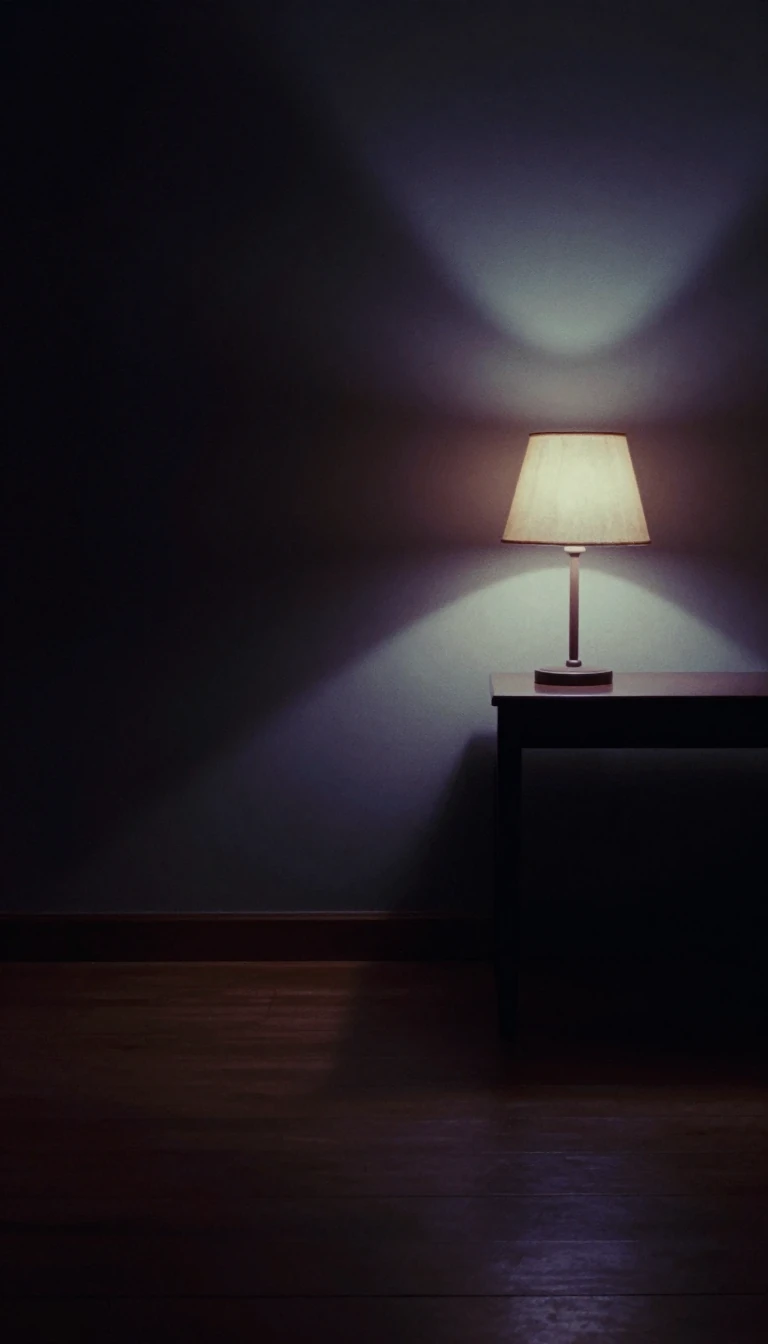
In short: When director Vikram Bhatt recorded a mysterious, disembodied female voice at the abandoned Mukesh Textile Mills, he unknowingly captured the spark for Raaz. This 2002 supernatural thriller defied industry expectations, blending romance with terror to become a landmark film that permanently reshaped the landscape of mainstream Bollywood horror cinema.
Released on 1 February 2002, Raaz was an unofficial adaptation of the 2000 American film What Lies Beneath. The story centers on Aditya and Sanjana, a couple attempting to repair their marriage in a secluded Ooty bungalow, only to be haunted by the vengeful spirit of Malini, a woman who died after an affair with Aditya. The film’s production leaned into a gothic aesthetic, prioritizing fog, shadows, and silence over CGI to build psychological tension.
The film’s success was unexpected but profound. Grossing ₹37.59 crore, it became the second-highest-grossing film of 2002 and the year's only blockbuster. Its impact was immediate; it was the first mainstream Bollywood horror film to receive a Filmfare Award nomination for Best Film. The soundtrack, composed by Nadeem-Shravan, was the third best-selling album of the year, moving 3,000,000 units and significantly bolstering the film's commercial performance.
Beyond its box office numbers, Raaz is credited with legitimizing horror as a commercially viable genre in India, moving it away from the low-budget tropes that dominated the 1980s and 1990s. International recognition followed, with the British Film Institute noting its unique genre-blending approach. Even Paul McCartney reportedly praised lead actress Bipasha Basu, comparing her to Sophia Loren. The film spawned a franchise, including three sequels, though the original remains the definitive benchmark for the genre.
The production was steeped in its own lore. Beyond the eerie recording at Mukesh Mills, the cast and crew reported supernatural experiences at the Fern Hill Hotel in Ooty, where they heard furniture moving in rooms that did not exist. These real-life encounters, combined with the chemistry between leads Dino Morea and Bipasha Basu, helped cement the film's cult status, transforming it from a simple project into a foundational pillar of modern Indian cinema.
Opens the Intellect+ feed with this card first. Swipe up for the next one.
Sources
- Summary by Intellect · source: Raaz (2002 film)
To cite this card, link to https://intellectplus.co.uk/app/entertainment-raaz-2002-film.
How we source, check and correct cards: Editorial standards.
General information, not professional advice. Spotted an error? Flag the card or see corrections and complaints.
Intellect Plus is a visual educational discovery platform for exploring fascinating facts and ideas. Brain Food, Not Brain Rot. What is Intellect Plus?
Related
More in Films · More in Entertainment · Latest · A–Z · All topics
