Disney's most expensive animated film was a box-office failure that nearly bankrupted the studio.
In short: Released in 1959, Sleeping Beauty was a decade-long labor of love that pushed animation technology to its limits. Despite its artistic ambition and massive budget, the film flopped upon release, triggering widespread layoffs. Today, it is celebrated as a masterpiece, proving that historical significance often arrives long after the credits roll.
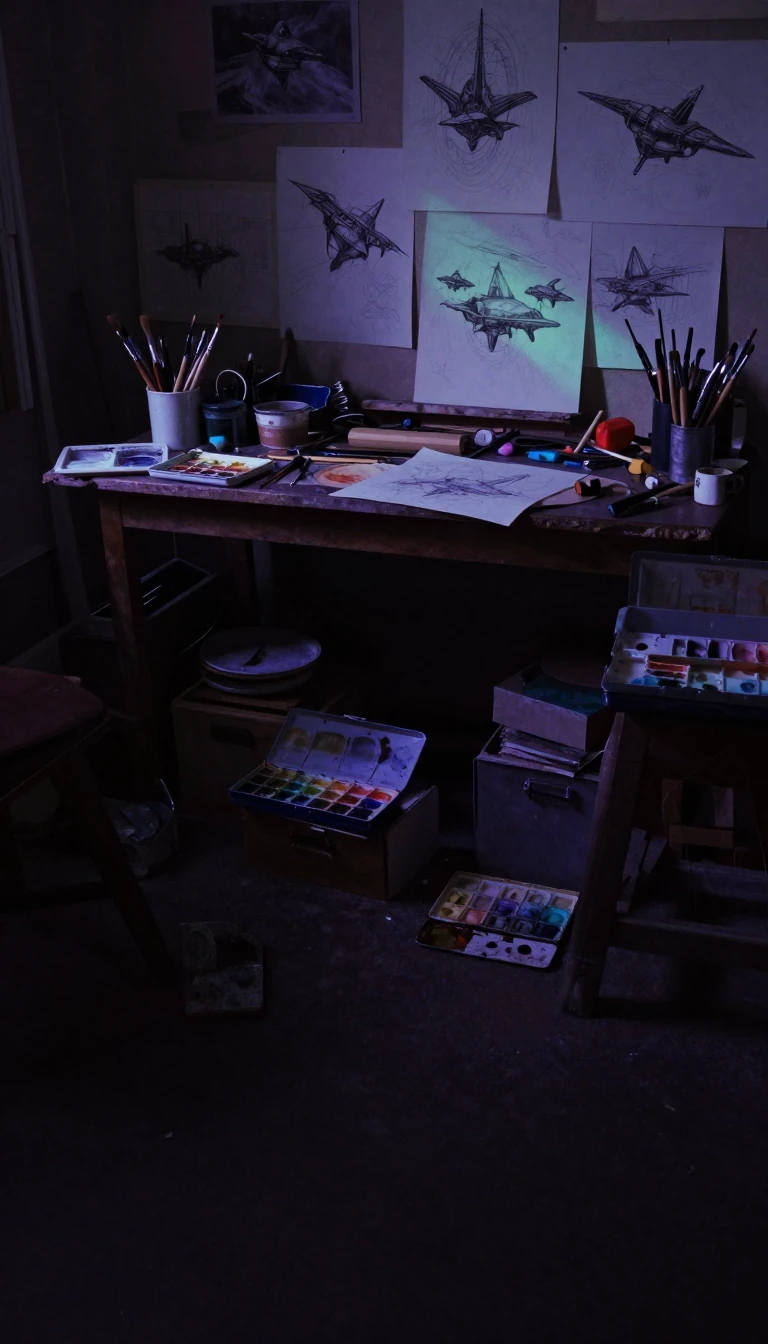
Development for Sleeping Beauty began in 1950, with Walt Disney aiming to create the definitive achievement of his animation studio. The project was a massive undertaking, costing $6 million—equivalent to over $66 million today—making it the most expensive animated feature of its time. To ensure a unique aesthetic, Disney granted artist Eyvind Earle unprecedented control, tasking him with creating a tapestry-like visual style inspired by pre-Renaissance European art and medieval manuscripts. This commitment to a unified, stylized look meant that characters were designed with rigid, geometric shapes to match the intricate backgrounds, a departure from the softer, rounded designs of earlier films like Cinderella.
The production process was notoriously difficult and slow. Animators struggled to adapt to Earle’s austere, modernist style, which they felt hindered fluid character movement. Furthermore, the film was the first to utilize the Super Technirama 70 widescreen process, requiring artists to work on massive 48-inch paper sheets and produce double the usual amount of artwork. To maintain realism, the studio filmed live-action reference footage with actors, a practice that many animators found restrictive. The casting process was equally exhaustive; Mary Costa was selected as the voice of Aurora after a three-year search, while Eleanor Audley was cast as the iconic villain Maleficent, bringing a complex, menacing presence to the role.
When the film finally premiered on January 29, 1959, it was met with mixed reviews and poor financial returns. It grossed only $5.3 million, resulting in a $900,000 loss for the distributor and leading to significant staff reductions at the studio. However, the film’s legacy has shifted dramatically over the decades. It was the last hand-inked Disney feature before the studio adopted the Xerox process, and its artistic influence has only grown. In 2019, the Library of Congress selected the film for the National Film Registry, cementing its status as a work of lasting cultural and aesthetic importance.
Opens the Intellect+ feed with this card first. Swipe up for the next one.
Sources
- Summary by Intellect · source: Sleeping Beauty (1959 film)
- Also: Wikidata — Sleeping Beauty · CC0
To cite this card, link to https://intellectplus.co.uk/app/entertainment-sleeping-beauty-1959-film.
How we source, check and correct cards: Editorial standards.
General information, not professional advice. Spotted an error? Flag the card or see corrections and complaints.
Intellect Plus is a visual educational discovery platform for exploring fascinating facts and ideas. Brain Food, Not Brain Rot. What is Intellect Plus?
Related
More in Animated series & cartoons · More in Entertainment · Latest · A–Z · All topics
