Can a tragic romance between enemies serve the cause of socialist realism?
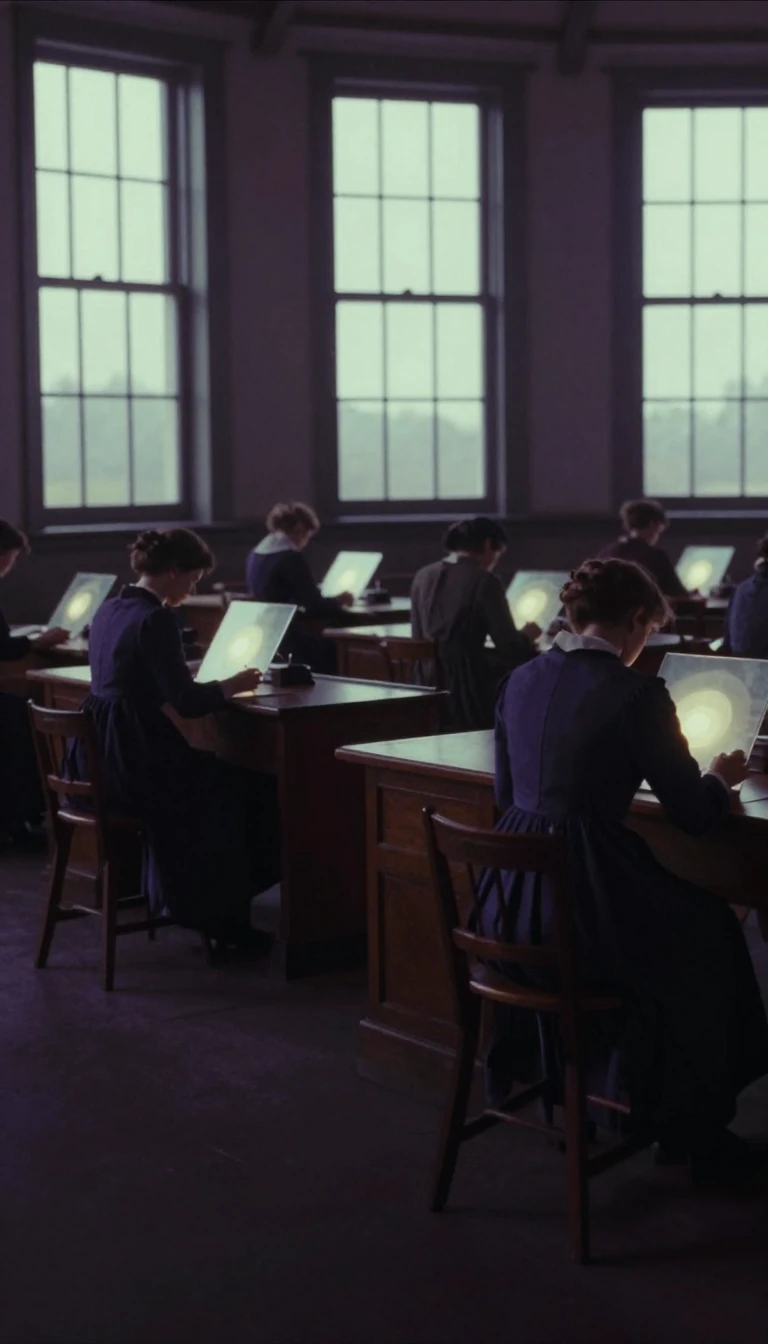
In short: In 1956, Grigori Chukhrai’s directorial debut challenged Soviet censors with a forbidden love story. By pairing a Red Army sniper with a White Army officer on a deserted island, the film explored the collision of human passion and political duty, ultimately asking what happens when ideology demands the ultimate betrayal.
The Forty-First, a 1956 Soviet war romance, depicts the unlikely bond between Maria, a Red Army sniper, and Vadim Nikolaevich Govorukha-Otrok, an aristocratic White Army lieutenant. After a skirmish in the Karakum Desert during the 1919 Russian Civil War, the two are stranded on an island following a shipwreck. Isolated from the conflict, they fall in love, transcending their opposing loyalties. However, the arrival of a boat carrying White soldiers forces a brutal resolution: Maria, choosing her revolutionary duty over her personal attachment, kills the man she loves, marking him as her forty-first victim.
The narrative originated from a novella by Boris Lavrenyov, who claimed the characters were based on real people he encountered during the war. He modeled Maria after Anya Vlasova, a volunteer who wrote amateur poetry, and based the officer on a captured poruchik. Lavrenyov imagined their meeting as a 'robinzonada' on the island of Barsa-Kelmes. While the story had been adapted into a silent film in 1927 by Yakov Protazanov, the 1956 version faced significant resistance from the Mosfilm directorate, which deemed a romance between enemies inappropriate. The script underwent six revisions before gaining approval.
The project’s success was largely due to the intervention of directors Ivan Pyryev and Mikhail Romm. Romm famously defended the script during an April 1955 meeting, arguing that the protagonist’s decision to kill her lover served as a perfect example of socialist realism. This framing allowed the film to proceed. Upon its release, it resonated deeply with audiences, drawing 25.1 million viewers and becoming the tenth most successful film in the Soviet Union in 1956. It also earned international recognition, including a Special Jury Prize at the 1957 Cannes Film Festival.
Opens the Intellect+ feed with this card first. Swipe up for the next one.
Sources
- Summary by Intellect · source: The Forty-First (1956 film)
To cite this card, link to https://intellectplus.co.uk/app/entertainment-the-forty-first-1956-film.
How we source, check and correct cards: Editorial standards.
General information, not professional advice. Spotted an error? Flag the card or see corrections and complaints.
Intellect Plus is a visual educational discovery platform for exploring fascinating facts and ideas. Brain Food, Not Brain Rot. What is Intellect Plus?
Related
More in Films · More in Entertainment · Latest · A–Z · All topics
