How Disney built a photorealistic jungle entirely on sound stages in Los Angeles
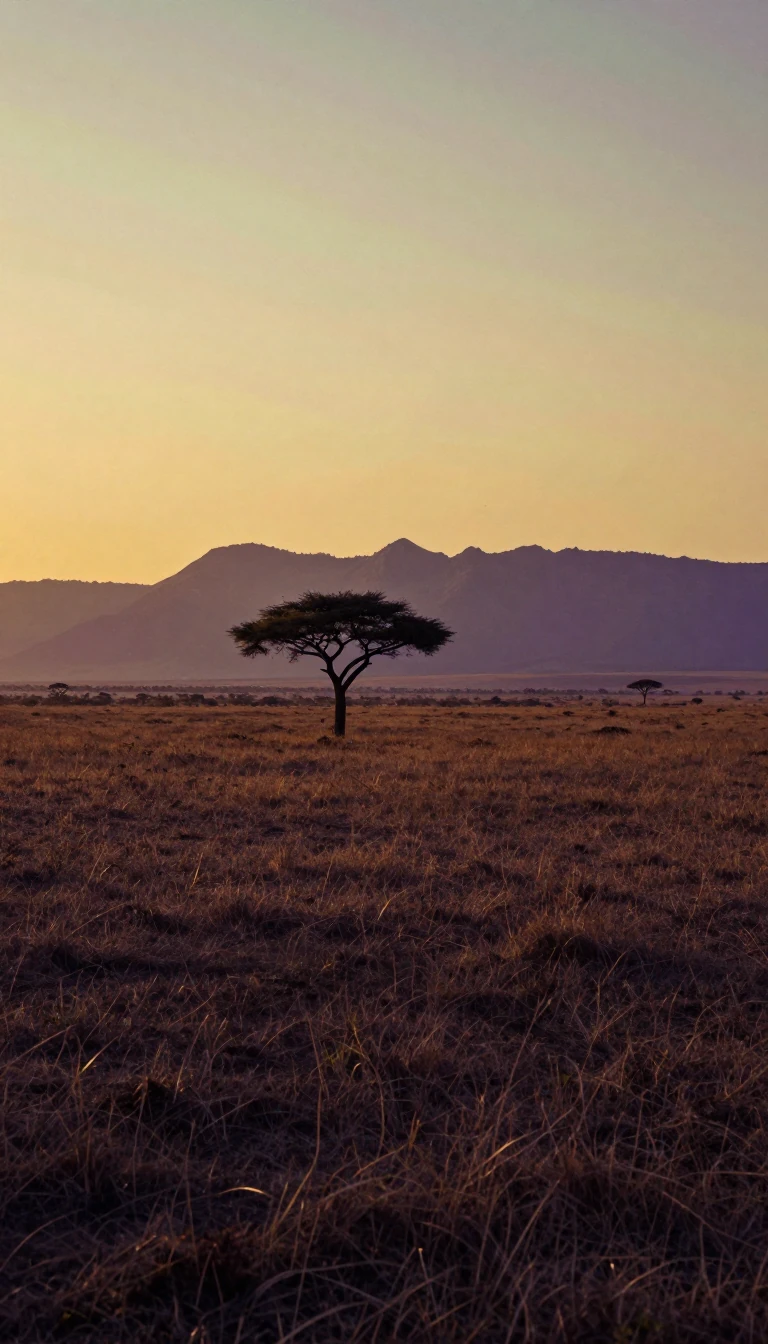
In short: Jon Favreau’s 2016 adaptation of The Jungle Book redefined the live-action remake. By blending photorealistic computer-generated imagery with performance capture, the production team created an immersive Indian wilderness without ever leaving a sound stage. The result was a massive commercial triumph that pushed the boundaries of modern visual effects technology.
Directed by Jon Favreau, the 2016 film serves as a hybrid adaptation, balancing the buoyant spirit of Disney’s 1967 animated classic with the source material from Rudyard Kipling. Principal photography occurred entirely at Los Angeles Center Studios. To achieve the film's distinct look, the team utilized nearly 70 species of Indian animals, often scaling them to be 150% larger than their real-life counterparts to enhance their presence on screen.
The production process relied heavily on advanced technology. The Moving Picture Company developed proprietary software to animate the muscular structures of the animals, while Weta Digital integrated the distinctive facial features of Christopher Walken into the character of King Louie. To avoid the uncanny valley effect, Favreau limited the use of motion capture, opting instead to use performance capture as a reference. Jim Henson’s Creature Shop provided puppets for Neel Sethi, who played Mowgli, to interact with during filming, though these were removed in post-production.
The film was a significant financial success, grossing $966.6 million worldwide against a $175 million budget. It set records for IMAX openings for a PG film and became the sixth-most-profitable release of 2016. Beyond its technical achievements, the film was praised for its immersive sound design, which utilized a Dolby Atmos mix to recreate the Fantasound experience originally envisioned by Walt Disney. By the end of 2016, the film had sold over 2 million physical disc units in the United States alone, cementing its status as a modern blockbuster.
Favreau’s approach to the project was deeply influenced by cinematic history, drawing inspiration from the mentor-child relationship in Shane and the atmospheric tension of Apocalypse Now. By combining these varied influences with cutting-edge rendering and a strategic release schedule—including a debut in India timed for the Indian New Year—the film successfully bridged the gap between traditional storytelling and the future of photorealistic digital cinema.
Opens the Intellect+ feed with this card first. Swipe up for the next one.
Sources
- Summary by Intellect · source: The Jungle Book (2016 film)
To cite this card, link to https://intellectplus.co.uk/app/entertainment-the-jungle-book-2016-film.
How we source, check and correct cards: Editorial standards.
General information, not professional advice. Spotted an error? Flag the card or see corrections and complaints.
Intellect Plus is a visual educational discovery platform for exploring fascinating facts and ideas. Brain Food, Not Brain Rot. What is Intellect Plus?
Related
More in Films · More in Entertainment · Latest · A–Z · All topics
