How a Hollywood Prison Drama Used Medieval Siege Tactics to Tell a Modern Story
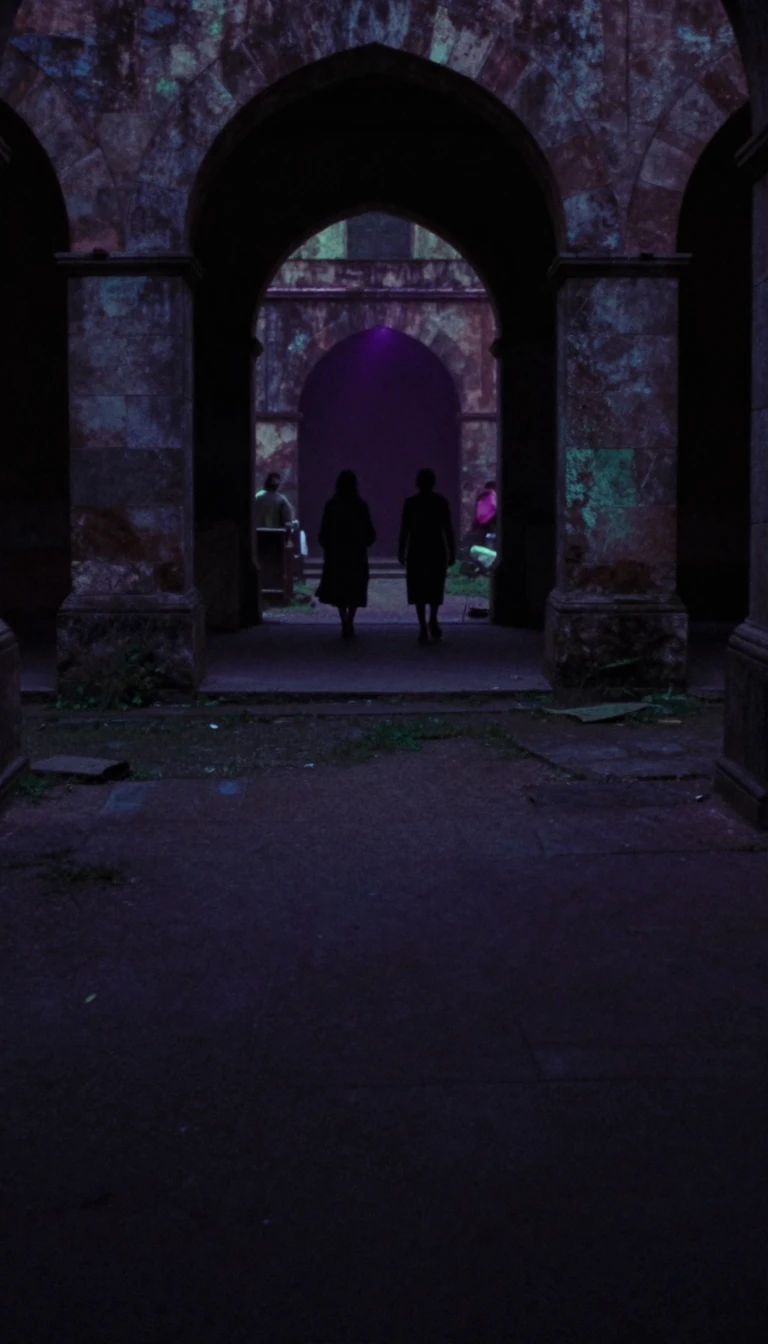
In short: To depict a high-stakes power struggle between a decorated general and a corrupt warden, the production of The Last Castle transformed a historic Tennessee prison into a battlefield. By blending gritty realism with symbolic architecture, the filmmakers created a cinematic clash that mirrors the intensity of ancient siege warfare.
Released in 2001, The Last Castle follows Lieutenant General Eugene Irwin, a disgraced military leader imprisoned for defying presidential orders. His antagonist, Colonel Winter, is a prison commandant who views his inmates not as soldiers but as subjects to be broken. The film’s tension hinges on their opposing philosophies: Irwin seeks to restore dignity and order through military tradition, while Winter relies on psychological manipulation and the suppression of inmate identity.
The production team, led by director Rod Lurie, went to extreme lengths to visualize this power dynamic. They utilized the 103-year-old Tennessee State Prison in Nashville, constructing a massive stone wall in the yard to serve as a physical manifestation of the prisoners' newfound unity. This structure, which the inmates build and the guards destroy, becomes the focal point of the film’s narrative arc. To heighten the spectacle, the crew engineered a functional trebuchet capable of launching 68-kilogram projectiles with remarkable precision, alongside a computer-controlled gimbal system that allowed for realistic, high-intensity helicopter stunts.
Critics were divided on the film’s execution. While some praised its rousing performances and technical ambition, others found the script implausible and the character motivations heavy-handed. The film’s release was also complicated by the September 11 attacks, which prompted the studio to pull promotional posters featuring an upside-down American flag—a traditional distress signal—due to concerns regarding public sensitivity. Despite its financial struggles, grossing $27.6 million against a $72 million budget, the film remains a notable example of how production design can be used to externalize internal ideological conflicts.
Ultimately, the film serves as a study in visual storytelling, using color palettes, lighting, and costume changes to track the shifting balance of power. As the prisoners adopt a more disciplined, military-style appearance, the warden’s sterile, artificially lit office is increasingly infiltrated by the natural light of the yard. This deliberate contrast underscores the film's central theme: the inevitable clash between those who wield institutional authority and those who reclaim their humanity through collective action.
Opens the Intellect+ feed with this card first. Swipe up for the next one.
Sources
- Summary by Intellect · source: The Last Castle
- Also: Wikidata — The Last Castle · CC0
- Also: Wikidata — The Last Castle · CC0
To cite this card, link to https://intellectplus.co.uk/app/entertainment-the-last-castle.
How we source, check and correct cards: Editorial standards.
General information, not professional advice. Spotted an error? Flag the card or see corrections and complaints.
Intellect Plus is a visual educational discovery platform for exploring fascinating facts and ideas. Brain Food, Not Brain Rot. What is Intellect Plus?
Related
More in Films · More in Entertainment · Latest · A–Z · All topics
