The Last Waltz: How a near-disastrous backstage standoff almost derailed a legendary concert film
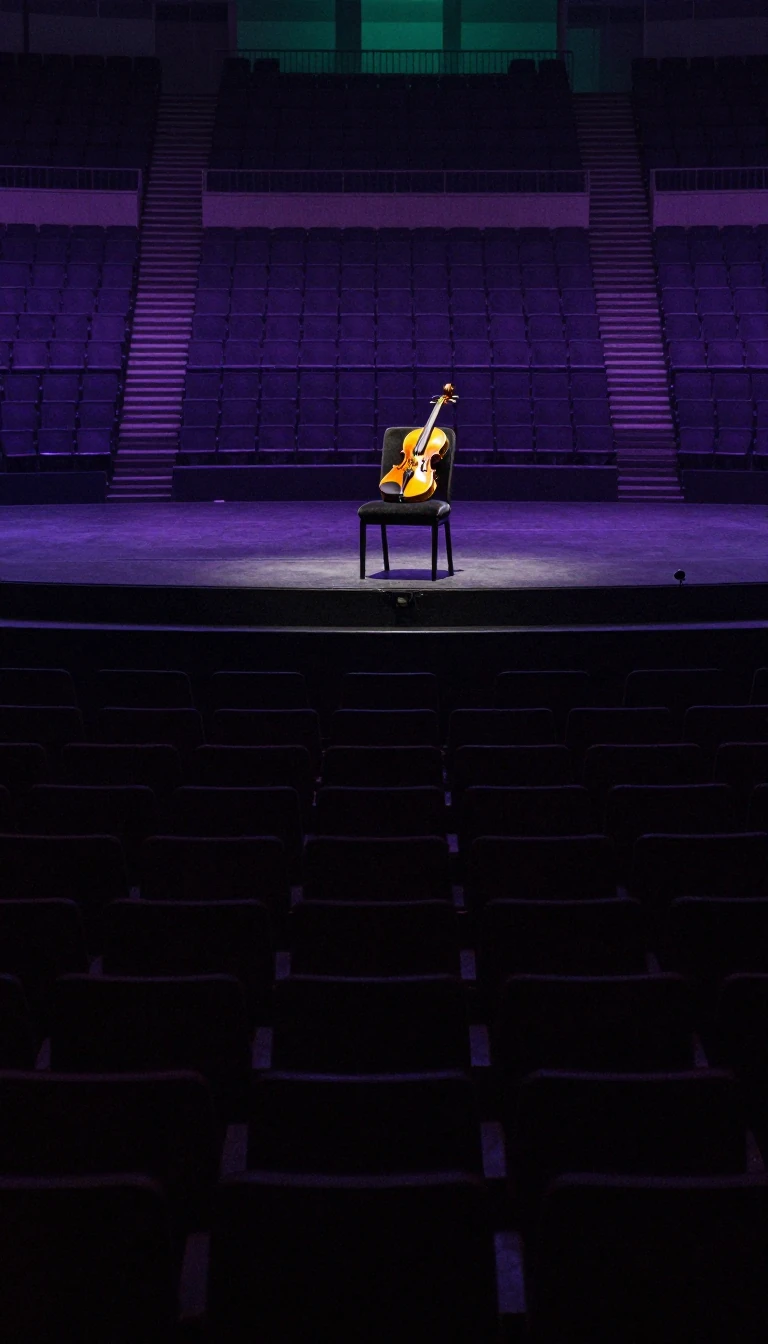
In short: When Bob Dylan threatened to ban cameras from his performance at the Band's 1976 farewell concert, the film's future hung in the balance. With over a million dollars at stake, promoter Bill Graham intervened in a frantic, high-stakes negotiation that ultimately secured the footage that defined a rock music milestone.
Held on November 25, 1976, at San Francisco's Winterland Ballroom, The Last Waltz was intended as a definitive end to the Band's 16-year career. Robbie Robertson, weary of the road's toll, envisioned a celebration featuring musical influences like Muddy Waters, Van Morrison, and Bob Dylan. Director Martin Scorsese was recruited to capture the event, utilizing seven 35mm cameras and a production design by Boris Leven, who incorporated sets from the San Francisco Opera.
The production faced immediate chaos. During intermission, Dylan decided he did not want his set filmed, fearing it would conflict with his own project, Renaldo and Clara. Because Warner Bros. had financed the film contingent on Dylan's appearance, the refusal threatened the entire project. Bill Graham, the concert's producer, successfully negotiated a compromise, allowing cameras to capture only the final two songs of Dylan's performance. This intervention was so critical that Robertson later credited Graham with saving the film.
The final documentary, released in 1978, blends live concert footage with studio performances and interviews. The process was technically demanding; Scorsese meticulously storyboarded the show, yet malfunctions occurred. In one instance, a camera operator, László Kovács, captured an iconic performance of Muddy Waters' 'Mannish Boy' only because he had removed his headset and missed the order to stop filming for a reload. Post-production involved further adjustments, including 'the traveling booger matte'—a special effect used to obscure cocaine on Neil Young's nose—and extensive audio clean-ups to correct live mistakes.
In 2019, the Library of Congress selected the film for the National Film Registry, cementing its status as a landmark of music documentary. While the Band's classic lineup effectively ended that night, the film remains a testament to a specific era of rock history, capturing a complex, drug-fueled, and meticulously orchestrated farewell that almost never made it to the screen.
Opens the Intellect+ feed with this card first. Swipe up for the next one.
Sources
- Summary by Intellect · source: The Last Waltz
- Also: Wikidata — The Last Waltz · CC0
- Also: Wikidata — The Last Waltz · CC0
To cite this card, link to https://intellectplus.co.uk/app/entertainment-the-last-waltz.
How we source, check and correct cards: Editorial standards.
General information, not professional advice. Spotted an error? Flag the card or see corrections and complaints.
Intellect Plus is a visual educational discovery platform for exploring fascinating facts and ideas. Brain Food, Not Brain Rot. What is Intellect Plus?
Related
More in Films · More in Entertainment · Latest · A–Z · All topics
