How a 1984 sci-fi cult classic reimagined a legendary naval conspiracy theory
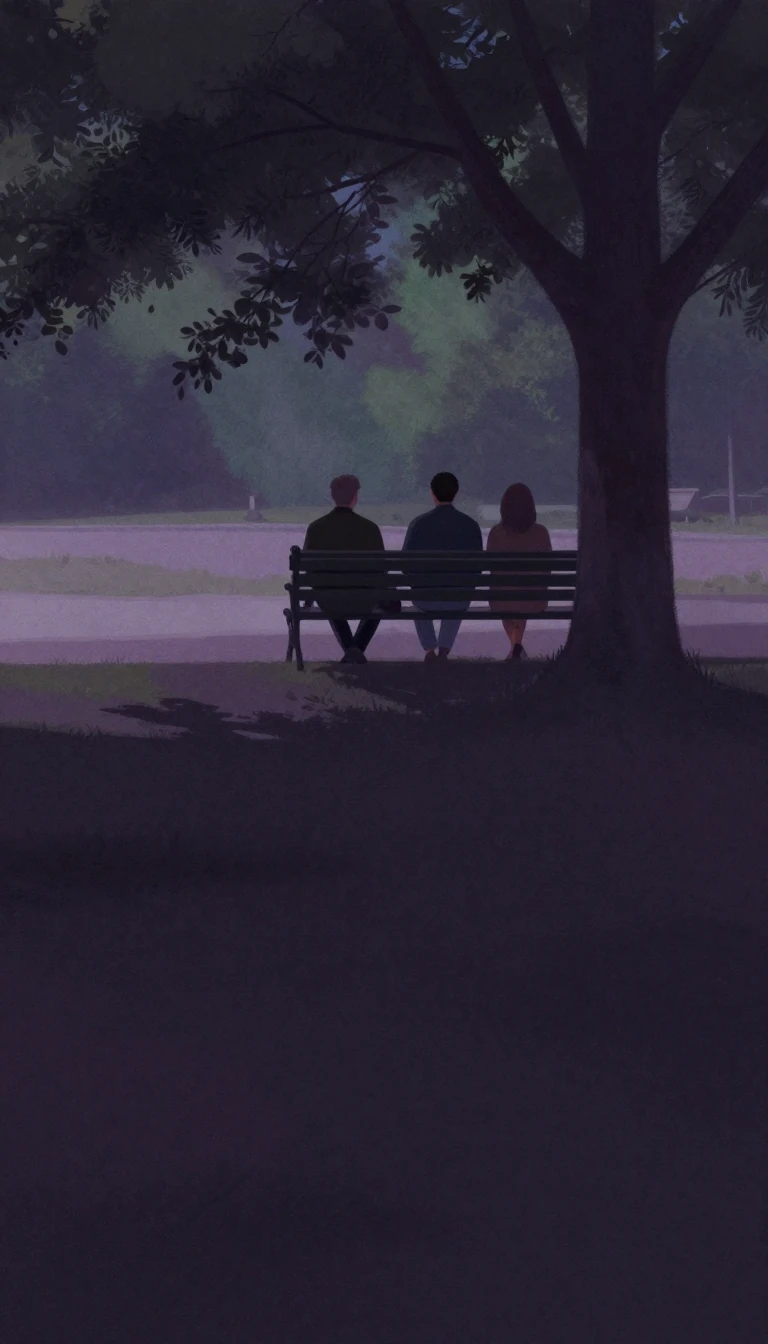
In short: The Philadelphia Experiment transformed a persistent urban legend into a time-travel thriller. When two 1943 sailors are catapulted into 1984, they discover their ship's failed invisibility test has triggered a global catastrophe. The film’s production was as chaotic as its plot, involving nine script rewrites and a last-minute dictation.
Released on August 3, 1984, The Philadelphia Experiment was directed by Stewart Raffill and starred Michael Paré and Bobby Di Cicco. The narrative centers on the USS Eldridge, a destroyer escort that disappears during a 1943 radar-invisibility experiment. In the film, this event transports two sailors, David Herdeg and Jim Parker, forward to 1984. They soon learn that a modern-day scientist, Doctor James Longstreet, has inadvertently reactivated the original technology, creating a vortex that threatens to consume the world.
The film's development was famously turbulent. John Carpenter originally wrote a draft, but producer Douglas Curtis decided the period-piece approach was unsustainable, opting instead to bridge the 1943 and 1984 timelines. By the time Raffill joined, the script had undergone nine revisions. Dissatisfied with the latest version, Raffill dictated his own vision to a studio assistant just three weeks before principal photography began on November 28, 1983. The production utilized various locations, including the USS Laffey to represent the Eldridge, and shot across Utah, Colorado, California, and South Carolina.
While the film earned $8,103,330 against a $9 million budget, it was considered a success for New World Pictures, eventually spawning a 1993 sequel and a 2012 television remake. Critical reception remained mixed, with a 50% approval rating on Rotten Tomatoes and a 44/100 score on Metacritic. Despite the lukewarm reviews, the film earned recognition at the 12th Saturn Awards, where Nancy Allen received a Best Actress nomination, and Stewart Raffill won the Best Film Award at Fantafestival in 1985.
The story remains a notable example of how Hollywood adapts folklore. By blending the urban legend of the Eldridge with a high-stakes race against time, the film turned a static conspiracy theory into a dynamic, if messy, piece of science fiction. It serves as a reminder of the unpredictable nature of film production, where a project can shift from a Carpenter-led period piece to a frantic, dictated race against a global vortex.
Opens the Intellect+ feed with this card first. Swipe up for the next one.
Sources
- Summary by Intellect · source: The Philadelphia Experiment (film)
To cite this card, link to https://intellectplus.co.uk/app/entertainment-the-philadelphia-experiment-film.
How we source, check and correct cards: Editorial standards.
General information, not professional advice. Spotted an error? Flag the card or see corrections and complaints.
Intellect Plus is a visual educational discovery platform for exploring fascinating facts and ideas. Brain Food, Not Brain Rot. What is Intellect Plus?
Related
More in Films · More in Entertainment · Latest · A–Z · All topics
