Why a 1960s spy thriller remains television's most surreal and enduring psychological puzzle
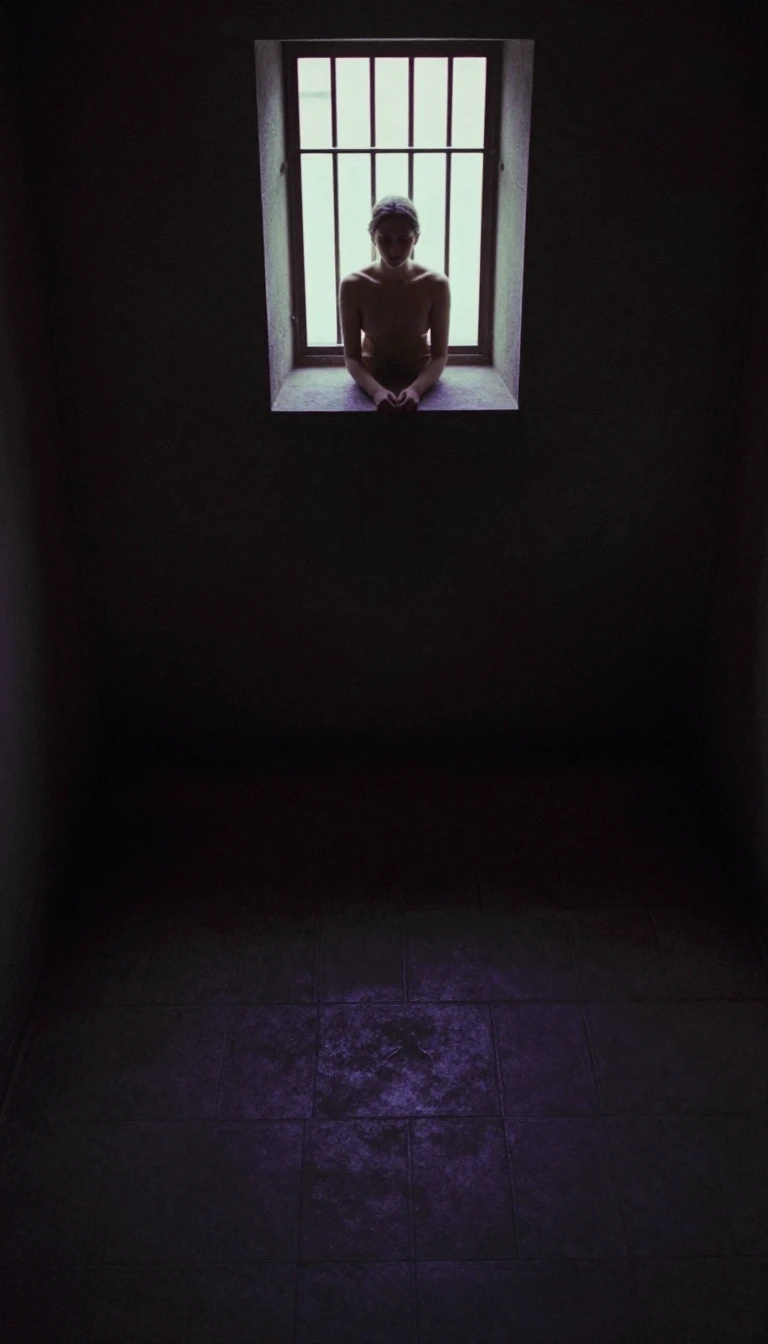
In short: After abruptly resigning from his government post, a British agent is abducted to a mysterious, idyllic coastal village. Stripped of his identity and assigned the designation Number Six, he battles an unseen administration in a surreal struggle between individual freedom and the crushing weight of collective control.
The Prisoner, a 17-episode series produced by Everyman Films, debuted in 1967. Created by Patrick McGoohan, the show follows an unnamed intelligence agent who, after quitting his sensitive position, is gassed in his Westminster home and wakes in a bizarre, mountain-ringed settlement. Residents are assigned numbers rather than names, living in a state of perpetual, high-tech surveillance. The protagonist, known as Number Six, adamantly rejects this dehumanization, famously declaring his status as a free individual rather than a mere digit.
The series is defined by its Kafkaesque atmosphere and the constant psychological warfare waged by the Village administrator, Number Two. Each episode features a different person in this role, a tactic designed to disorient the protagonist. Number Two employs mind control, hallucinogenic drugs, and social indoctrination to extract the reason for the agent's resignation. Despite his relentless efforts to subvert the system and uncover whether the Village serves his own government or an enemy power, Number Six remains trapped, highlighting the show's core tension: the conflict between the individual and the collective.
The production history is as complex as the plot. While McGoohan is widely credited as the creator, the role of script editor George Markstein remains a point of contention. Markstein drew inspiration from real-world sites like the Inverlair Lodge, a secure establishment in Scotland, whereas McGoohan integrated influences from his theatrical background and previous work on the series Danger Man. The show's surreal aesthetic, largely filmed in the Welsh village of Portmeirion, helped it transcend the spy genre to become a cult phenomenon. The ambiguous, controversial finale left audiences so unsettled that McGoohan reportedly sought refuge from the public backlash.
Ultimately, the series serves as an exploration of entrapment. Whether or not the protagonist ever truly escapes the Village, the narrative suggests he remains a prisoner of his own history, secrets, and circumstances. By blending science fiction with psychological drama, the show established a legacy that continues to influence popular culture, standing as a high-concept critique of the social and political anxieties of the 1960s.
Opens the Intellect+ feed with this card first. Swipe up for the next one.
Sources
- Summary by Intellect · source: The Prisoner
- Also: Wikidata — The Prisoner · CC0
- Also: Wikidata — The Prisoner · CC0
To cite this card, link to https://intellectplus.co.uk/app/entertainment-the-prisoner.
How we source, check and correct cards: Editorial standards.
General information, not professional advice. Spotted an error? Flag the card or see corrections and complaints.
Intellect Plus is a visual educational discovery platform for exploring fascinating facts and ideas. Brain Food, Not Brain Rot. What is Intellect Plus?
Related
More in TV series · More in Entertainment · Latest · A–Z · All topics
