Can a single act of faith avert the total destruction of the modern world?
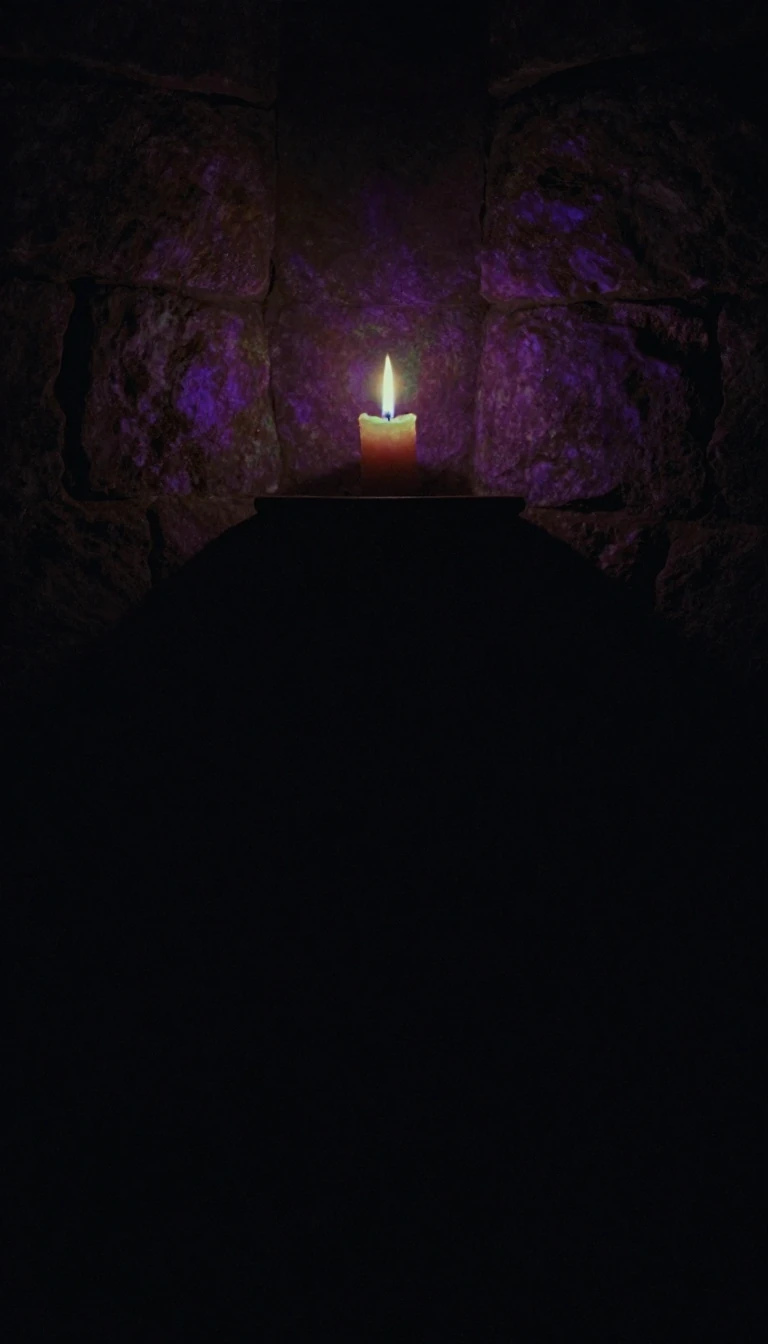
In short: In Andrei Tarkovsky's final masterpiece, a middle-aged intellectual faces the sudden onset of nuclear war. Desperate to save his family, he strikes a bargain with God, leading to a surreal journey that blurs the lines between Christian devotion and pagan ritual in a haunting, visually stunning exploration of human sacrifice.
The Sacrifice, released in 1986, serves as the final work of Soviet director Andrei Tarkovsky. The film follows Alexander, a former actor turned intellectual, who lives in a secluded seaside home. When a news broadcast announces an impending nuclear holocaust, Alexander vows to renounce everything he loves—including his young, temporarily mute son—if the catastrophe can be undone. Guided by his friend Otto, a collector of paranormal phenomena, Alexander seeks out a woman named Maria, whom Otto identifies as a witch, to fulfill his desperate pact.
Tarkovsky originally conceived the project as a screenplay titled The Witch, which featured a protagonist whose cancer was cured after a night with a reputed witch. However, he later abandoned this ending as too simplistic. The final film, produced by the Swedish Film Institute, reflects a shift in Tarkovsky's artistic approach. Unlike his earlier, more impressionistic films, he sought to build this work into a harmonious poetic parable. The production was a collaborative effort involving many alumni from Ingmar Bergman's films, including cinematographer Sven Nykvist and lead actor Erland Josephson.
The film's production was marked by technical ambition and personal tragedy. Tarkovsky was diagnosed with cancer shortly after filming concluded, preventing him from attending the 1986 Cannes Film Festival, where the film won the Grand Prix. The climactic scene, involving the burning of Alexander's house, proved particularly difficult. The first attempt was ruined by a camera jam, necessitating a costly two-week reconstruction of the set. The final six-minute take, captured by two cameras, remains one of the most celebrated sequences in cinema history, capturing a raw, emotional intensity that left the cast and crew in tears.
The Sacrifice is widely regarded as a profound meditation on the difficulty of faith. Critics have noted its complex religious ambiguity, which juxtaposes Christian atonement with pagan sensibilities. In 1995, the Vatican recognized its significance by including it in a list of 45 great films. Through its deliberate pacing, color reduction, and the haunting use of Johann Sebastian Bach's music, the film offers a meditative capstone to Tarkovsky's career, leaving viewers to ponder the nature of sacrifice in an age defined by the relentless march of technology.
Opens the Intellect+ feed with this card first. Swipe up for the next one.
Sources
- Summary by Intellect · source: The Sacrifice (1986 film)
To cite this card, link to https://intellectplus.co.uk/app/entertainment-the-sacrifice-1986-film.
How we source, check and correct cards: Editorial standards.
General information, not professional advice. Spotted an error? Flag the card or see corrections and complaints.
Intellect Plus is a visual educational discovery platform for exploring fascinating facts and ideas. Brain Food, Not Brain Rot. What is Intellect Plus?
Related
More in Films · More in Entertainment · Latest · A–Z · All topics
