Can a creative genius find redemption after losing their spark in the frozen wilderness?
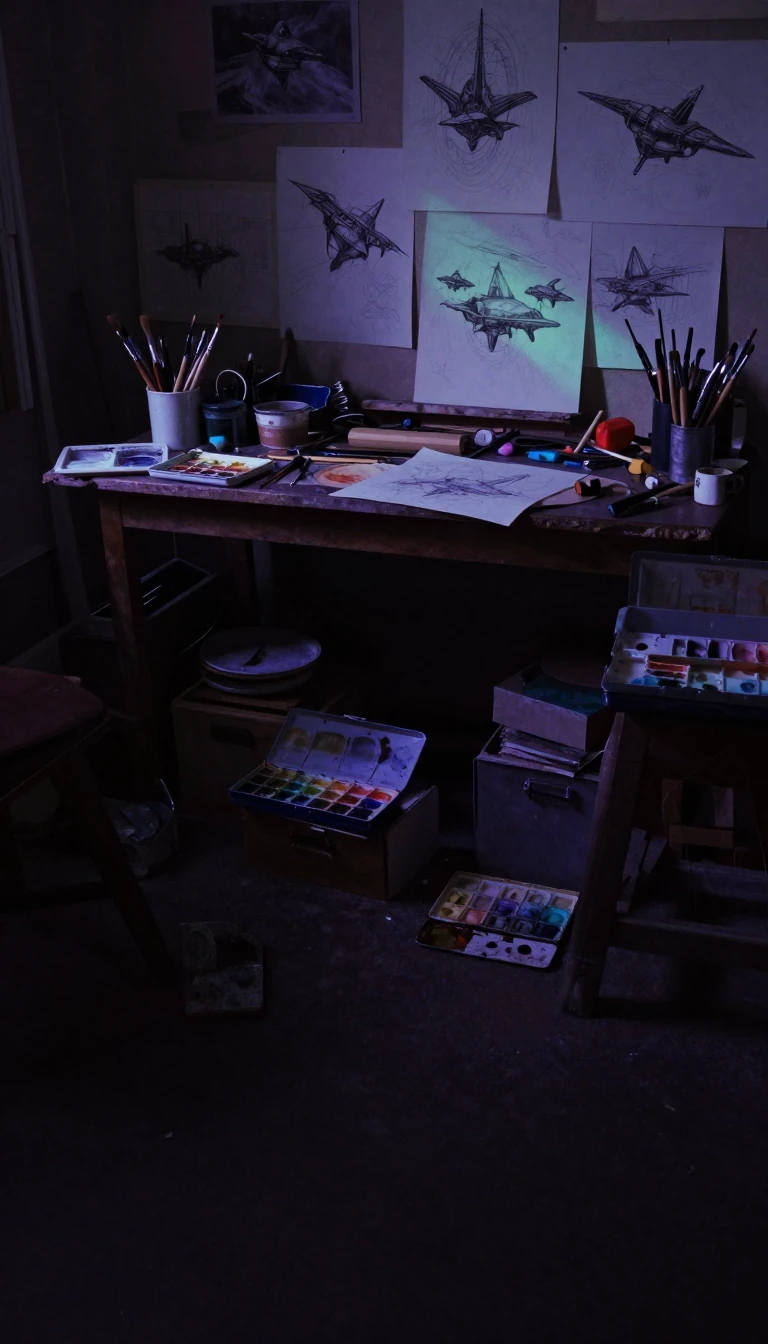
In short: Richard Linklater's 2019 adaptation of Maria Semple's novel follows an agoraphobic architect who vanishes before a family trip to Antarctica. What begins as a domestic drama about a woman struggling with depression and isolation transforms into a journey of self-discovery, testing whether artistic passion can truly be reignited after years of dormancy.
Bernadette Fox, a former award-winning architect, lives in a dilapidated Seattle schoolhouse with her husband, Elgie, and their daughter, Bee. Following the demolition of her most celebrated project, Bernadette descends into severe depression, becoming reclusive and deeply fearful of human interaction. Her life unravels further when she discovers that her personal assistant in India is actually a front for a Russian criminal organization, leading her family to stage an intervention to commit her to a psychiatric facility.
Feeling betrayed and misunderstood, Bernadette flees to Antarctica, a trip originally planned as a reward for her daughter's academic success. In the remote landscape of the South Pole, she encounters a researcher who reveals that the local station requires an architect to lead a major reconstruction. This professional challenge provides the catalyst for her to reclaim her identity. Her husband and daughter eventually track her down, ultimately recognizing that her previous decline stemmed from a lack of support for her creative drive.
The film's production was a complex, multi-year endeavor. Rights were acquired in 2013, with Richard Linklater signing on as director in 2015. Despite a star-studded cast including Cate Blanchett and Kristen Wiig, the project faced numerous release delays and ultimately struggled at the box office, grossing $9.2 million domestically against an $18 million budget. Critics were divided, with many noting that the film failed to capture the depth of its source material, leaving audiences with a mixed reception.
Beyond the narrative, the film draws on real-world architectural inspiration. Bernadette's final design in the story is modeled after the Halley Research Station, a structure designed by Hugh Broughton Architects. While the film was criticized for its uneven tone, it remains a study of the intersection between artistic genius and mental health, posing difficult questions about the cost of creative silence and the possibility of finding a path back to one's true self.
Opens the Intellect+ feed with this card first. Swipe up for the next one.
Sources
- Summary by Intellect · source: Where'd You Go, Bernadette (film)
To cite this card, link to https://intellectplus.co.uk/app/entertainment-where-d-you-go-bernadette-film.
How we source, check and correct cards: Editorial standards.
General information, not professional advice. Spotted an error? Flag the card or see corrections and complaints.
Intellect Plus is a visual educational discovery platform for exploring fascinating facts and ideas. Brain Food, Not Brain Rot. What is Intellect Plus?
Related
More in Films · More in Entertainment · Latest · A–Z · All topics
