The fruit that mimics scrambled eggs but can be fatal
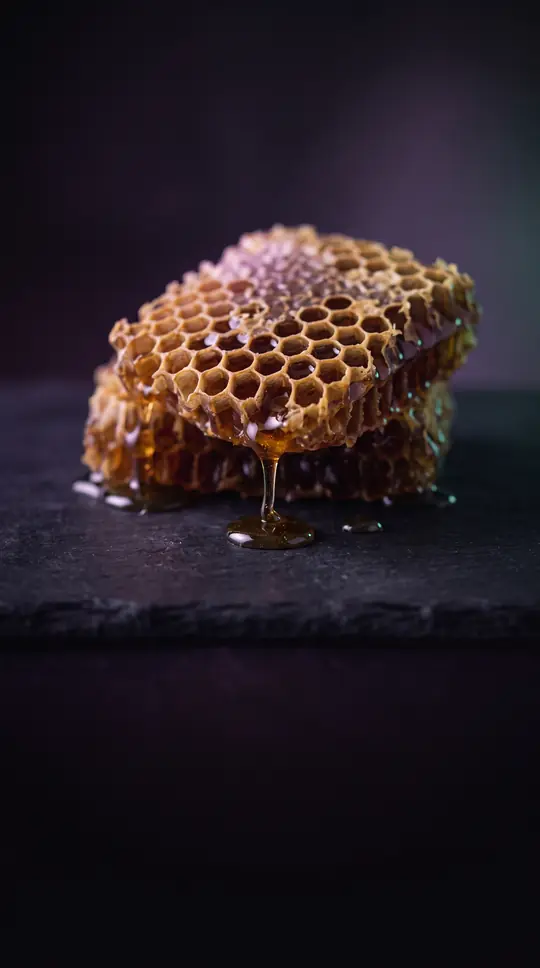
In short: Ackee is a Caribbean delicacy with a texture remarkably similar to scrambled eggs. However, this culinary staple carries a dangerous biological secret: if consumed before it is perfectly ripe, the fruit contains toxins capable of causing severe illness or even death. Understanding its chemistry is a lesson in botanical timing.
Native to West Africa, the ackee (Blighia sapida) was introduced to the Caribbean by enslaved people and later brought to England by Captain William Bligh in 1793. Today, it is the national fruit of Jamaica, where it is most famously served with saltfish. The fruit is a pear-shaped, woody pod that must 'yawn' or split open naturally before it is safe to harvest. Once ripe, it reveals three large black seeds surrounded by soft, creamy arils.
The danger lies in the 'soapberry toxins'—specifically hypoglycin A and B. In unripe fruit, these toxins can be 10 to 100 times more concentrated than in ripe fruit. When ingested, these molecules are converted into methylenecyclopropylacetic acid (MCPA). This chemical inhibits essential enzymes that break down fatty acids, depleting the body's glucose stores and leading to a condition known as 'Jamaican vomiting sickness' or severe hypoglycemia.
Nature provides a built-in detoxification mechanism: as the fruit ripens, the seeds act as a chemical sink. They draw hypoglycin A out of the arils and convert it into hypoglycin B within the seeds. By discarding the seeds and only consuming the 'smiled' arils, the toxins are neutralized to safe levels. This biological process allows the fruit to transition from a deadly poison to a nutrient-dense food source rich in linoleic, palmitic, and stearic acids.
Beyond its culinary use, the ackee tree is a versatile resource. Its fragrant flowers have been used as cologne, its heartwood for construction and oars, and its leaves and bark in traditional medicine. Even its seeds once served as standardized weights for gold dust in the former Gold Coast, illustrating how a single plant can weave through history, chemistry, and culture.
Opens the Intellect+ feed with this card first. Swipe up for the next one.
Sources
- Summary by Intellect · source: Ackee
- Also: Ackee | Description, Plant, Fruit, Uses, Poisonous, & Facts | Britannica
To cite this card, link to https://intellectplus.co.uk/app/food-ackee.
How we source, check and correct cards: Editorial standards.
General information, not professional advice. Spotted an error? Flag the card or see corrections and complaints.
Intellect Plus is a visual educational discovery platform for exploring fascinating facts and ideas. Brain Food, Not Brain Rot. What is Intellect Plus?
Related
More in Cooking, food and drink · More in Food & Drink · Latest · A–Z · All topics
