Beyond the Appetizer: The Ancient Origins and Global Evolution of Meze
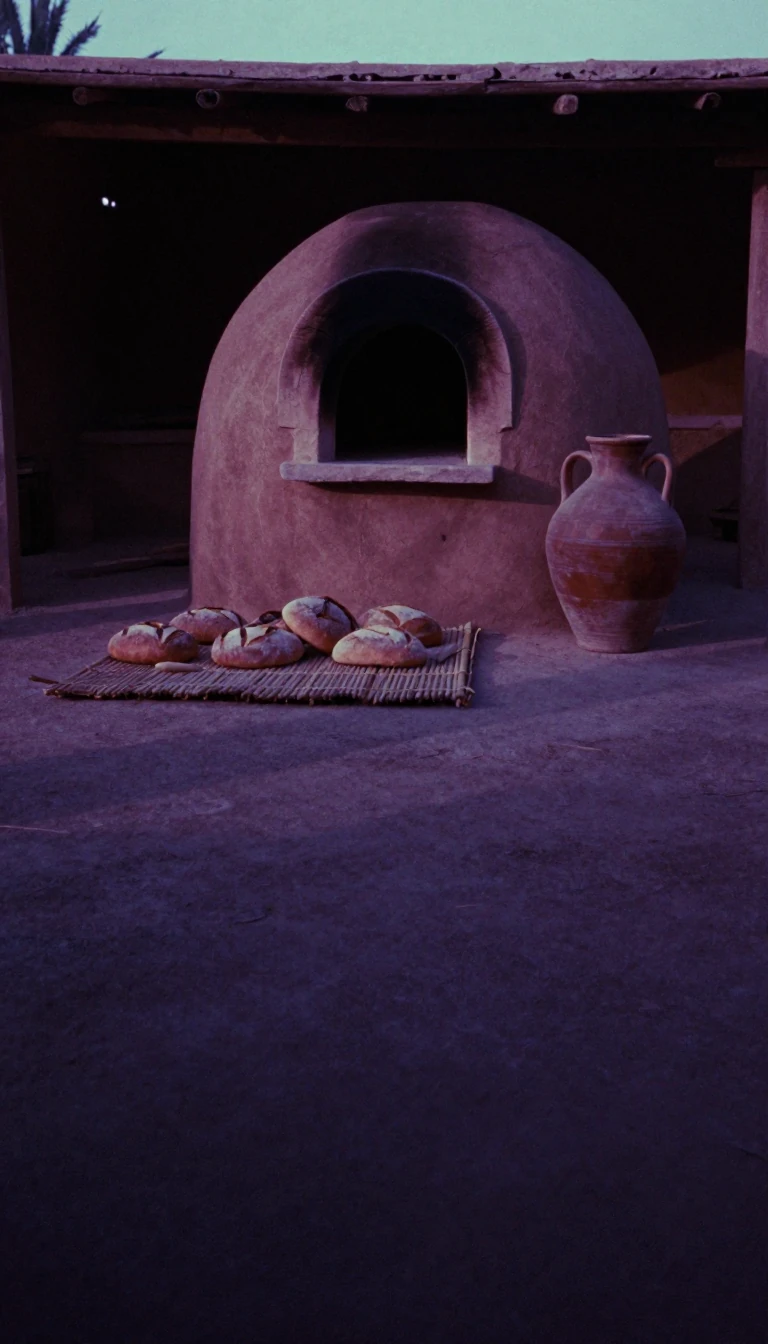
In short: Meze is more than a starter; it is a cultural institution spanning the former Ottoman Empire. From its Persian roots as a palate cleanser for bitter wine to a sophisticated multi-course feast in the Levant, this tradition of small, shared dishes reveals how geography and history shape the way we eat.
The term meze traces its lineage to the Persian word maze, meaning taste or relish. Food historian Ayla Algar suggests that in ancient Persia, the practice likely began with fruits like pomegranates, quinces, and citrons. These were served to offset the bitterness of unripe wine, long before the inclusion of nuts and roasted meats became standard. By the medieval period, the tradition had evolved into a sophisticated accompaniment to alcohol, with concepts like the Arabic naql—small dishes such as salted almonds—serving as a clear precursor to the modern spread.
The tradition flourished within the Byzantine Empire and later solidified across the Ottoman Empire, manifesting in local tavernes and meyhanes. While the core concept of small, shared plates remains consistent, the execution varies wildly by region. In the Levant—including Palestine, Syria, and Lebanon—meze can function as a complete meal. Here, dishes arrive in structured waves, starting with cold items like tahini and salads, progressing through vegetable and egg dishes, and culminating in substantial grills or stews. This communal style of eating is designed for leisure, where sharing is expected and the pace is set by the diners.
In other regions, the focus shifts to local ingredients and specific pairings. In Southeast Europe, meze leans heavily toward cured meats, cheeses, and savory pastries, mirroring the structure of Italian antipasto. Meanwhile, in Muslim-majority countries, the role of meze has adapted to fit different dietary norms; where alcohol consumption is less common, these dishes are integrated into the standard meal structure rather than serving as a side to spirits. Whether it is the brain salad of Turkey, the shopska salad of Bulgaria, or the grilled octopus of Greece, meze remains a deeply regional expression of hospitality, reflecting local seasons and long-standing culinary identities.
The enduring nature of meze lies in its flexibility. It is a social ritual that adapts to its environment, whether served alongside a nargila in Palestine or paired with rakı in a Turkish meyhane. Despite the vast differences in ingredients—from cured pork in the Balkans to stuffed vine leaves in the Mediterranean—the underlying philosophy of the meze remains unchanged: a shared, unhurried experience that prioritizes variety and the pleasure of the table.
Opens the Intellect+ feed with this card first. Swipe up for the next one.
Sources
- Summary by Intellect · source: Meze
To cite this card, link to https://intellectplus.co.uk/app/music-meze.
How we source, check and correct cards: Editorial standards.
General information, not professional advice. Spotted an error? Flag the card or see corrections and complaints.
Intellect Plus is a visual educational discovery platform for exploring fascinating facts and ideas. Brain Food, Not Brain Rot. What is Intellect Plus?
Related
More in Music · More in Music · Latest · A–Z · All topics
