Why the ancient world preferred to dine while lying on their left side
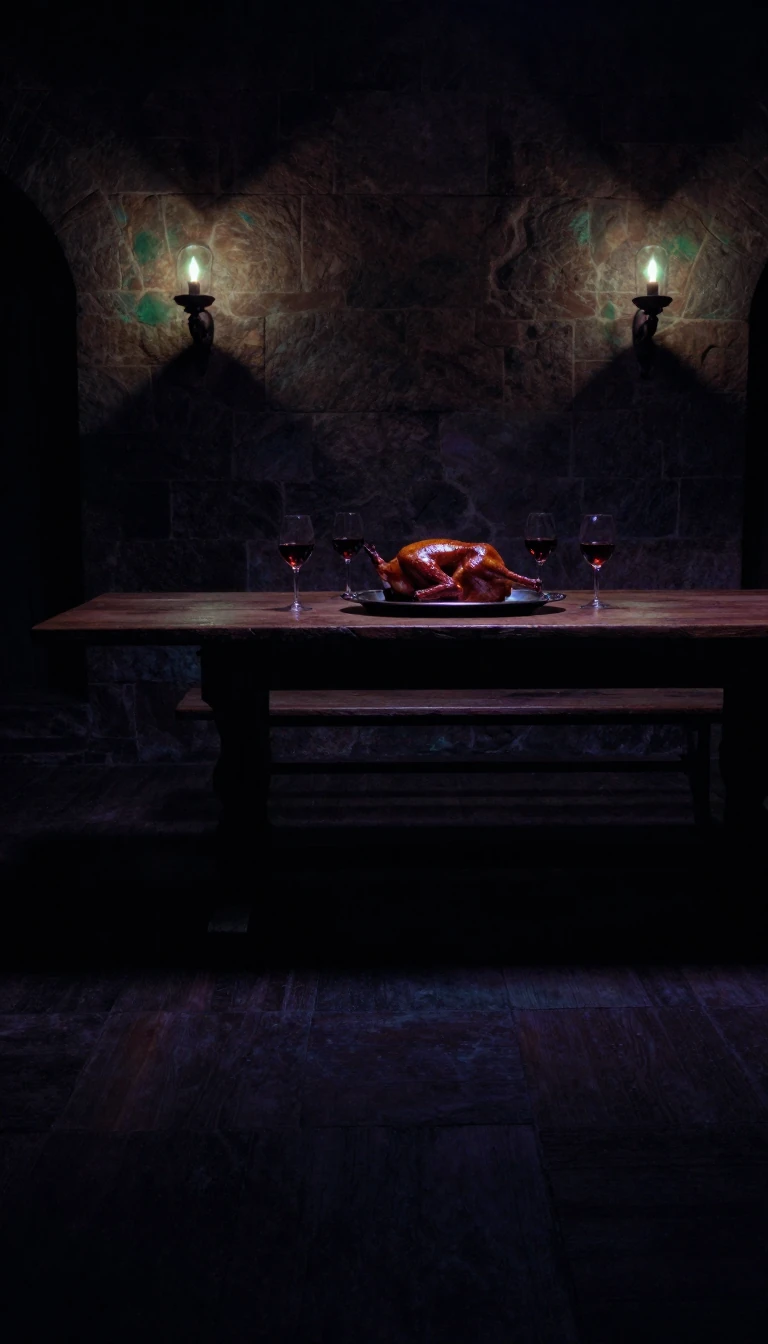
In short: A banquet is more than just a large meal; it is a social tool used to build prestige or reinforce community bonds. From the earliest archaeological evidence 12,000 years ago to modern business dinners, these gatherings have evolved, yet they remain a fundamental way for humans to share food and status.
The history of the banquet is rooted in two distinct social functions: solidarity and promotion. Solidarity feasts rely on shared contributions to strengthen community ties, while promotional feasts are designed to elevate the host's status by creating obligations among guests. This distinction has persisted throughout history, from the communal feasts of the early Neolithic in Britain to the formal business dinners and academic conferences of the modern era.
The term itself has shifted significantly in meaning. Originally, a banquet referred specifically to a post-feast course focused on sweets, which became fashionable in 16th-century Europe as sugar grew more accessible. These 'sugar collations' were so distinct that they often took place in separate rooms or dedicated banqueting houses, such as the turrets found at Longleat House. By the Middle Ages, however, the structure of a banquet had become a highly ritualized three-course affair, sometimes featuring up to 25 dishes per course, a format that remained standard until the 19th century.
Beyond the menu, the physical act of dining has been subject to unique cultural norms. Art historians have observed that ancient Mediterranean banqueters were frequently depicted reclining on their left sides. This posture may have been more than a stylistic choice; it is suggested that lying on the left side enhances the stomach's curvature, potentially aiding digestion by providing more room for food to expand. Whether through such physiological considerations or the complex tax regulations seen in 1988 China, where banquets were taxed at rates between 15% and 20%, the banquet remains a deeply structured human institution.
Opens the Intellect+ feed with this card first. Swipe up for the next one.
Sources
- Summary by Intellect · source: Banquet
To cite this card, link to https://intellectplus.co.uk/app/food-banquet.
How we source, check and correct cards: Editorial standards.
General information, not professional advice. Spotted an error? Flag the card or see corrections and complaints.
Intellect Plus is a visual educational discovery platform for exploring fascinating facts and ideas. Brain Food, Not Brain Rot. What is Intellect Plus?
Related
More in Cooking, food and drink · More in Food & Drink · Latest · A–Z · All topics
