The dining room was once a bustling, smoky hall for the entire household population.
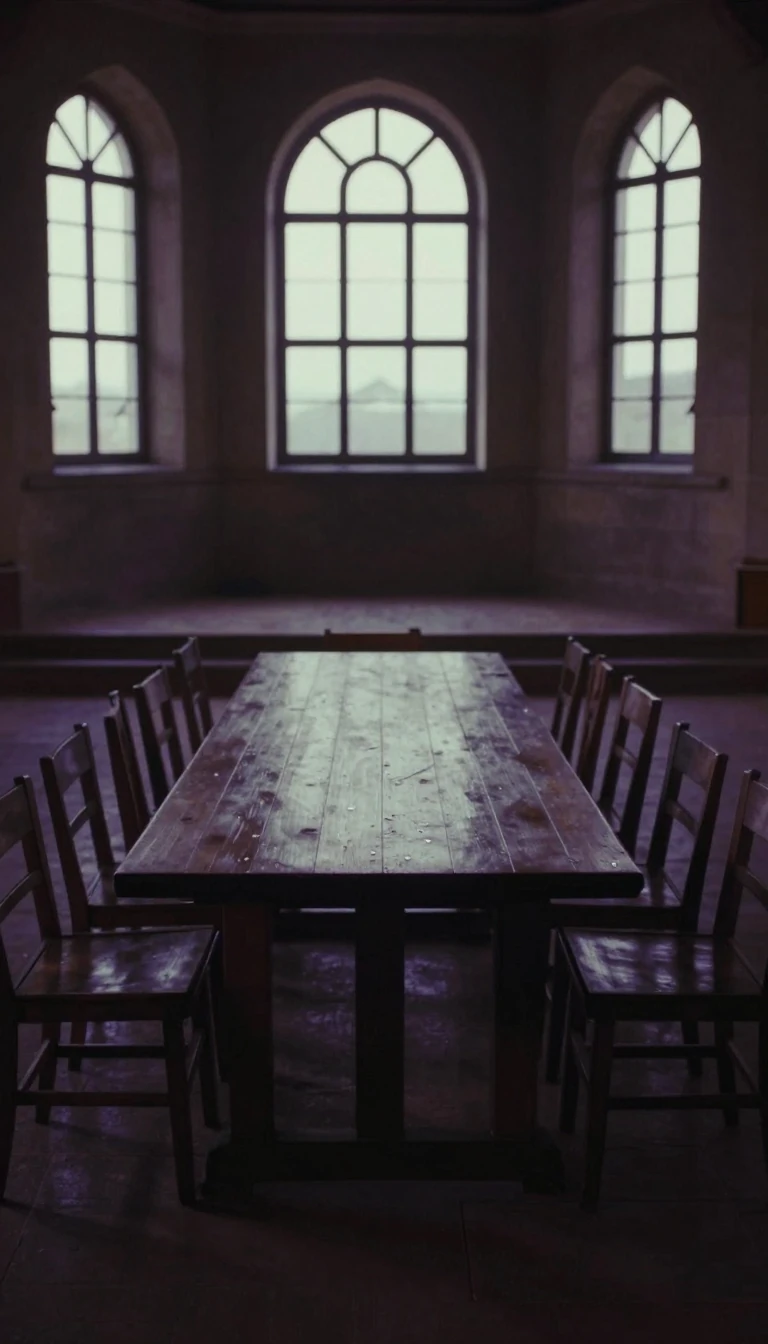
In short: Before it became a quiet, formal space for special occasions, the dining room served as the Great Hall of medieval castles. It was a multi-functional, high-ceilinged center of life where rank dictated your seat. Over centuries, the room evolved from a public hub into a secluded, private sanctuary for the elite.
In the Middle Ages, European nobility dined in the Great Hall, a bustling, multi-function space that accommodated the entire household. Seating was strictly hierarchical: the family occupied a raised dais at the head table, while others were arranged by rank. Contrary to popular belief, these rooms were likely well-ventilated, featuring high ceilings and large chimneys that prevented the smoke and odors often associated with the era.
By the late medieval period, a shift toward intimacy began. Owners started retreating to smaller 'privee parlers'—private parlors—for meals. This transition was driven by social and political changes as much as a desire for comfort. These rooms migrated away from the Great Hall, eventually becoming distinct dining spaces. By the 18th century, the room had developed a gendered character, with ladies withdrawing to drawing rooms after dinner while men remained in the dining room for drinks.
The 20th century brought further architectural shifts. While dining rooms remained separate from kitchens through the 1940s, the 1950s and 60s saw a trend toward merging kitchen, dining, and living areas. Today, the dining room in many North American and Australian homes has become a specialized space reserved for formal guests or celebrations. In smaller homes, this has been replaced by breakfast nooks, dinettes, or breakfast bars, relegating the formal dining room to a secondary role. Even during the COVID-19 pandemic, the room's function shifted again, with many households repurposing these secluded spaces as home offices or classrooms.
Modern dining room design reflects these historical layers. While the traditional rectangular table with end chairs remains a staple, the inclusion of removable leaves allows for flexibility during large gatherings. Whether used for daily meals or kept pristine for special occasions, the dining room remains a testament to how our domestic spaces mirror our evolving social structures and personal needs.
Opens the Intellect+ feed with this card first. Swipe up for the next one.
Sources
- Summary by Intellect · source: Dining room
To cite this card, link to https://intellectplus.co.uk/app/society-dining-room.
How we source, check and correct cards: Editorial standards.
General information, not professional advice. Spotted an error? Flag the card or see corrections and complaints.
Intellect Plus is a visual educational discovery platform for exploring fascinating facts and ideas. Brain Food, Not Brain Rot. What is Intellect Plus?
Related
More in Home living · More in Society · Latest · A–Z · All topics
