Why Cantonese char siu is the ultimate evolution of fork-roasted pork
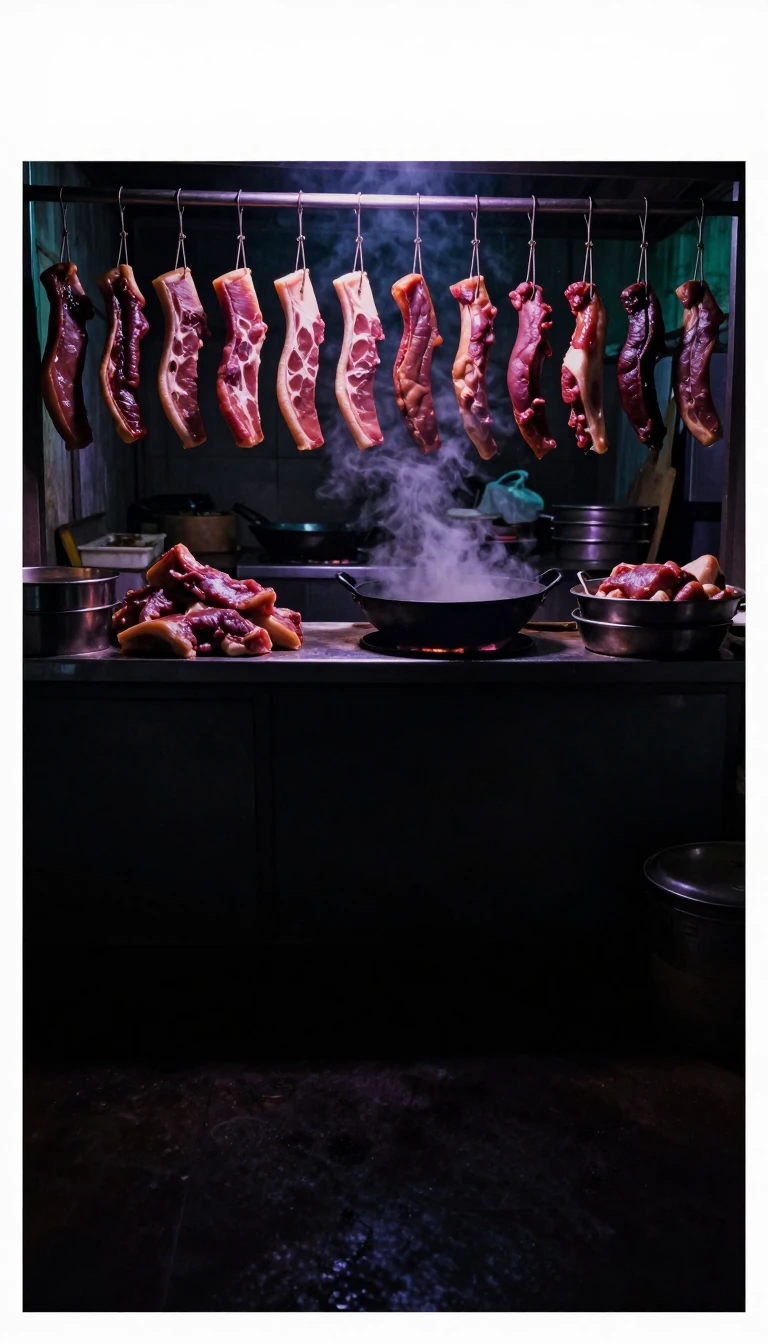
In short: Literally meaning fork-roasted, char siu is a cornerstone of Cantonese cuisine that has traveled far beyond its Guangdong origins. From its traditional red-hued roots to modern high-end interpretations using Spanish Black Pig, this sweet-and-savoury barbecue staple remains a beloved comfort food, appearing in everything from dim sum to cinema.
The name char siu translates from Cantonese as fork-roasted, reflecting the traditional method of skewering seasoned pork and roasting it. While the dish is synonymous with a vibrant red exterior, this color was historically achieved through red fermented bean curd and red yeast rice. Today, red food coloring is more common, though the signature shiny glaze remains essential, typically created by coating the meat in maltose or honey during the roasting process.
The evolution of char siu reflects changing tastes and health trends. In the 1950s, fatty pork belly cuts known as tor dei were popular, but health consciousness later shifted the standard toward the leaner mui tau, or pork collar. Modern chefs in Hong Kong often debate the merits of ingredients; while some prioritize local pig breeds to maintain authenticity, others opt for premium imports like Hungarian Mangalica or Spanish Black Pig to achieve a superior, tender mouthfeel through higher fat content.
Beyond the roasting technique, the flavor profile has been refined over decades. Early recipes, such as those documented by food critic Chan Mong Yan, emphasized savory, fermented black bean notes rather than sweetness. However, as sauce-making techniques matured, the use of hoisin, chu hou, and fermented soybean pastes became standard. The addition of maltose, marketed as honeyed char siu, eventually cemented the sweet-and-savoury profile that appeals to children and adults alike.
Char siu is deeply embedded in cultural life, serving as both a culinary staple and a pop-culture icon. It is a defining element of siu mei establishments, which specialize in roasted meats. Its influence extends into film, most notably through the 1996 comedy The God of Cookery, which popularized the simple but iconic Sorrowful Rice—char siu served with white rice, vegetables, and a fried egg. Whether enjoyed in a quick meal or a Michelin-starred restaurant, the dish remains a versatile, enduring comfort food.
Opens the Intellect+ feed with this card first. Swipe up for the next one.
Sources
- Summary by Intellect · source: Char siu
To cite this card, link to https://intellectplus.co.uk/app/food-char-siu.
How we source, check and correct cards: Editorial standards.
General information, not professional advice. Spotted an error? Flag the card or see corrections and complaints.
Intellect Plus is a visual educational discovery platform for exploring fascinating facts and ideas. Brain Food, Not Brain Rot. What is Intellect Plus?
Related
More in Cooking, food and drink · More in Food & Drink · Latest · A–Z · All topics
