The ancient flatbread that became a global symbol of home and rebellion
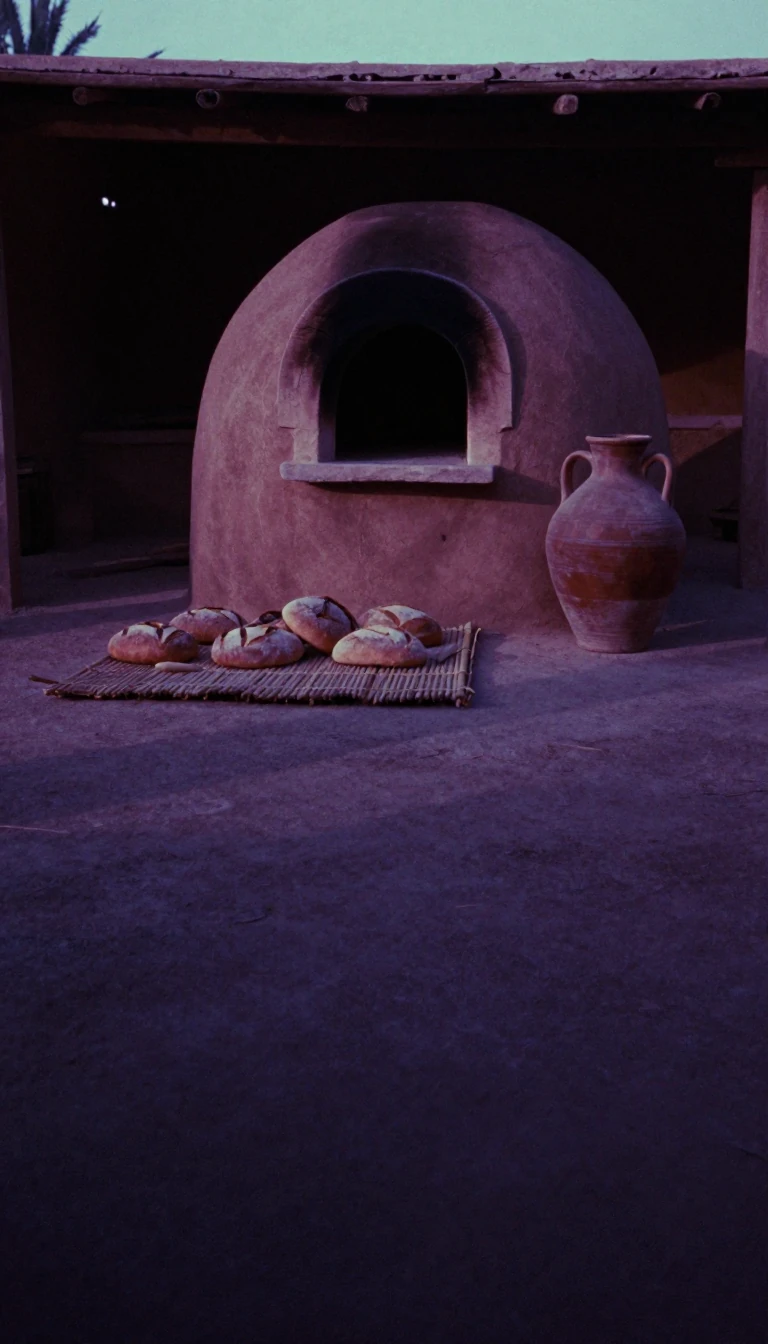
In short: Chapati is more than a simple unleavened bread; it is a cultural anchor that has traveled from the Indus Valley to the kitchens of East Africa. Whether puffed over an open flame or fried on a griddle, this humble wheat staple has shaped history, from colonial-era migrations to mysterious political movements.
Originating in the Indian subcontinent, chapati is an unleavened flatbread made primarily from atta, a whole-wheat flour ground in stone mills. Its name, derived from the Sanskrit word for 'flat,' describes the traditional method of shaping dough by slapping it between the hands. While its roots trace back to the Indus Valley Civilization, the bread has evolved into a diverse global staple. In India, it remains a daily necessity, with nearly 80 to 85 percent of the nation's wheat production dedicated to its creation. In East Africa, it has transitioned from a special-occasion treat to a common snack, often fried rather than dry-roasted.
The science of a perfect chapati relies on the precise balance of protein and moisture. Kneading develops gluten, providing the elasticity needed to roll the dough into thin circles, while the high heat of a tava griddle triggers the Maillard reaction, creating its signature flavor and brown spots. When cooked correctly, moisture trapped within the dough turns to steam, causing the bread to puff up—a process that separates the crust from the starch-heavy crumb. Because it relies on simple ingredients and lacks leavening, it stales rapidly, typically losing its peak texture within a few hours.
Beyond the kitchen, chapati has played a surprising role in social and political history. During the Indian Rebellion of 1857, the 'Chapati Movement' saw village watchmen passing the bread from town to town, a mysterious act that British officials viewed with deep suspicion. In the 20th century, it became a tool for social change; for instance, the Vaikom Satyagraha protest of 1924 helped popularize the bread in Kerala through communal kitchens. Today, as urbanization shifts consumption patterns, the rise of ready-to-eat and mechanically produced versions reflects a modern world balancing traditional culinary labor with the demands of contemporary life.
The bread's adaptability is its greatest strength. From the inclusion of chickpeas in mesi roti to the use of rice flour in the Maldives or the addition of sweet potato in Kenya, chapati remains a canvas for local ingredients. Despite the increasing availability of Western-style breads, its status as a primary source of carbohydrates and energy ensures it remains a central component of meals across South Asia and beyond, serving as both a vessel for curries and a testament to enduring culinary traditions.
Opens the Intellect+ feed with this card first. Swipe up for the next one.
Sources
- Summary by Intellect · source: Chapati
To cite this card, link to https://intellectplus.co.uk/app/food-chapati.
How we source, check and correct cards: Editorial standards.
General information, not professional advice. Spotted an error? Flag the card or see corrections and complaints.
Intellect Plus is a visual educational discovery platform for exploring fascinating facts and ideas. Brain Food, Not Brain Rot. What is Intellect Plus?
Related
More in Cooking, food and drink · More in Food & Drink · Latest · A–Z · All topics
