Why Egyptian cuisine is naturally built on a foundation of plants and legumes
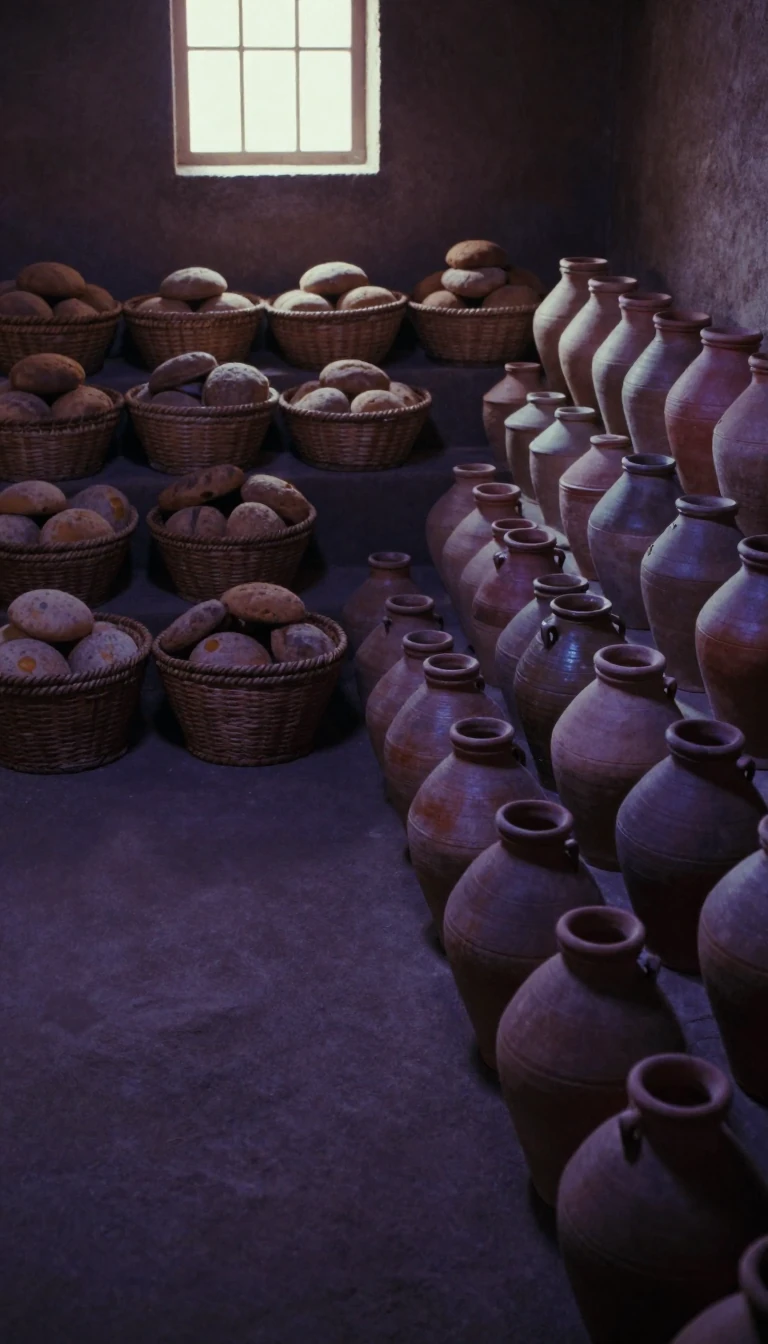
In short: Egyptian food is defined by the fertile Nile Valley, where limited land prioritizes crop cultivation over livestock. This agricultural reality, combined with long-standing religious fasting traditions, has shaped a culinary landscape rich in vegetables, legumes, and grains. Discover how these environmental and cultural factors created a uniquely plant-forward national diet.
The character of Egyptian cuisine is fundamentally tied to the geography of the Nile River. Because arable land is a scarce resource, the fertile banks of the Nile are primarily dedicated to growing crops rather than grazing animals. Raising livestock requires significant land, water, and fodder, making plant-based staples like legumes, vegetables, and fruits more sustainable and accessible. This agricultural necessity has fostered a culinary tradition that naturally leans toward vegetarianism, with dishes like ful medames—mashed fava beans—and koshary, a blend of lentils and pasta, serving as essential components of the daily diet.
Cultural and religious practices have further cemented this plant-centric approach. For instance, the dietary restrictions observed by Christians during Lent involve extended periods of vegan eating, which has historically encouraged the development of diverse, flavorful plant-based recipes. While meat is certainly part of the culinary fabric, it is often treated as a secondary element. Poultry, including chicken, duck, quail, goose, and squab, is common, as is rabbit. Lamb and beef are frequently utilized in stews or for grilling, while goat and camel appear less frequently due to limited availability.
Beyond the staples, Egyptian cuisine demonstrates a deep historical continuity. Cheesemaking, for example, has been practiced since the First Dynasty, with Domiati cheese remaining the most popular variety consumed today. The national palate also favors specific flavor profiles and ingredients, such as dates, honey, and almonds in desserts like baqlawa and kunafa. Even the national drink, tea, is frequently enhanced with mint, reflecting a broader preference for fresh, local ingredients. Whether it is the widespread consumption of freshwater tilapia and mullet in coastal cities like Alexandria or the popularity of street-food offal, the cuisine remains a complex reflection of Egypt's unique environmental constraints and enduring cultural heritage.
Opens the Intellect+ feed with this card first. Swipe up for the next one.
Sources
- Summary by Intellect · source: Egyptian cuisine
To cite this card, link to https://intellectplus.co.uk/app/food-egyptian-cuisine.
How we source, check and correct cards: Editorial standards.
General information, not professional advice. Spotted an error? Flag the card or see corrections and complaints.
Intellect Plus is a visual educational discovery platform for exploring fascinating facts and ideas. Brain Food, Not Brain Rot. What is Intellect Plus?
Related
More in Cooking, food and drink · More in Food & Drink · Latest · A–Z · All topics
