Why the American entrée is the exact opposite of the French original
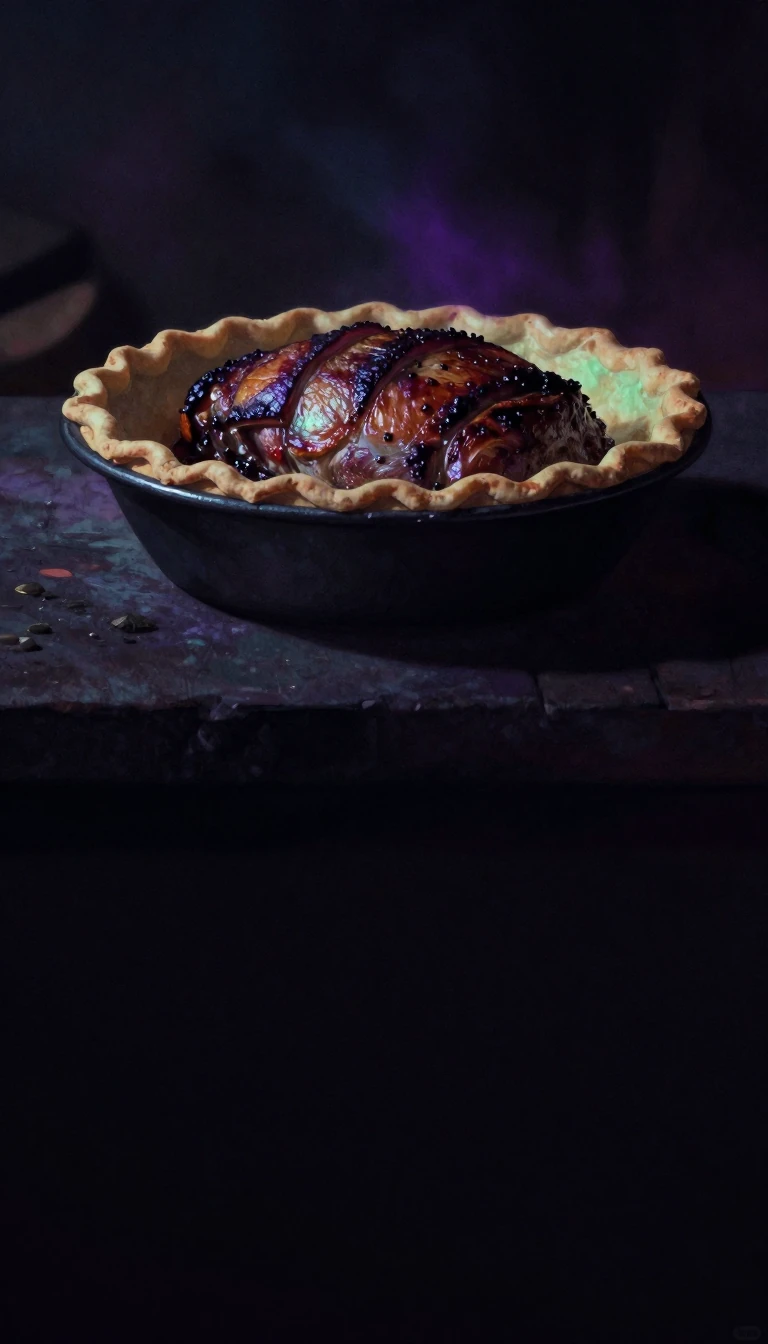
In short: In most of the world, an entrée is a light starter served before the main event. Yet, in the United States and Canada, it signifies the main course itself. This linguistic reversal stems from a centuries-long evolution of table service, shifting from medieval structures to modern dining conventions.
The term first appeared in print around 1536 in the Petit traicté, where it described the 'entree de table' or entrance to the meal. At that time, it was the very first stage, featuring foods like sausages, offal, and raw fruits. By 1650, the structure had shifted; the potage became the first course, pushing the entrée to the second position, where it evolved into a complex category of hot, moist-cooked meat dishes.
During the 17th and 18th centuries, the entrée became a highly regulated affair. It was distinct from roasts and entremets, governed by strict rules regarding ingredients and cooking methods. For instance, eggs were relegated to entremets on meat days, while vegetables were generally excluded from entrées unless it was Lent. Chefs used moist techniques like ragoûts and fricassées, or prepared meats in ways that prevented the browning associated with true roasts.
The 19th century brought significant upheaval to these traditions. As the church's influence waned, dietary rules for meat and lean days collapsed, and the rigid distinctions between 'grosses entrées'—large joints of meat—and 'ordinary entrées' began to dissolve. Eventually, the term in France drifted back toward its literal, medieval roots as a dish preceding the main course. Meanwhile, North American usage froze the 18th-century definition, cementing the entrée as the meal's centerpiece.
Today, the term is in flux once again. Even in North America, the word is increasingly being replaced by 'main course' on menus. This shift reflects a broader trend toward clarity in culinary language, moving away from the complex, historically layered terminology that once defined the formal dining table.
Opens the Intellect+ feed with this card first. Swipe up for the next one.
Sources
- Summary by Intellect · source: Entrée
To cite this card, link to https://intellectplus.co.uk/app/food-entr-e.
How we source, check and correct cards: Editorial standards.
General information, not professional advice. Spotted an error? Flag the card or see corrections and complaints.
Intellect Plus is a visual educational discovery platform for exploring fascinating facts and ideas. Brain Food, Not Brain Rot. What is Intellect Plus?
Related
More in Cooking, food and drink · More in Food & Drink · Latest · A–Z · All topics
