Why Ethiopian cuisine relies on a sourdough flatbread as both plate and utensil
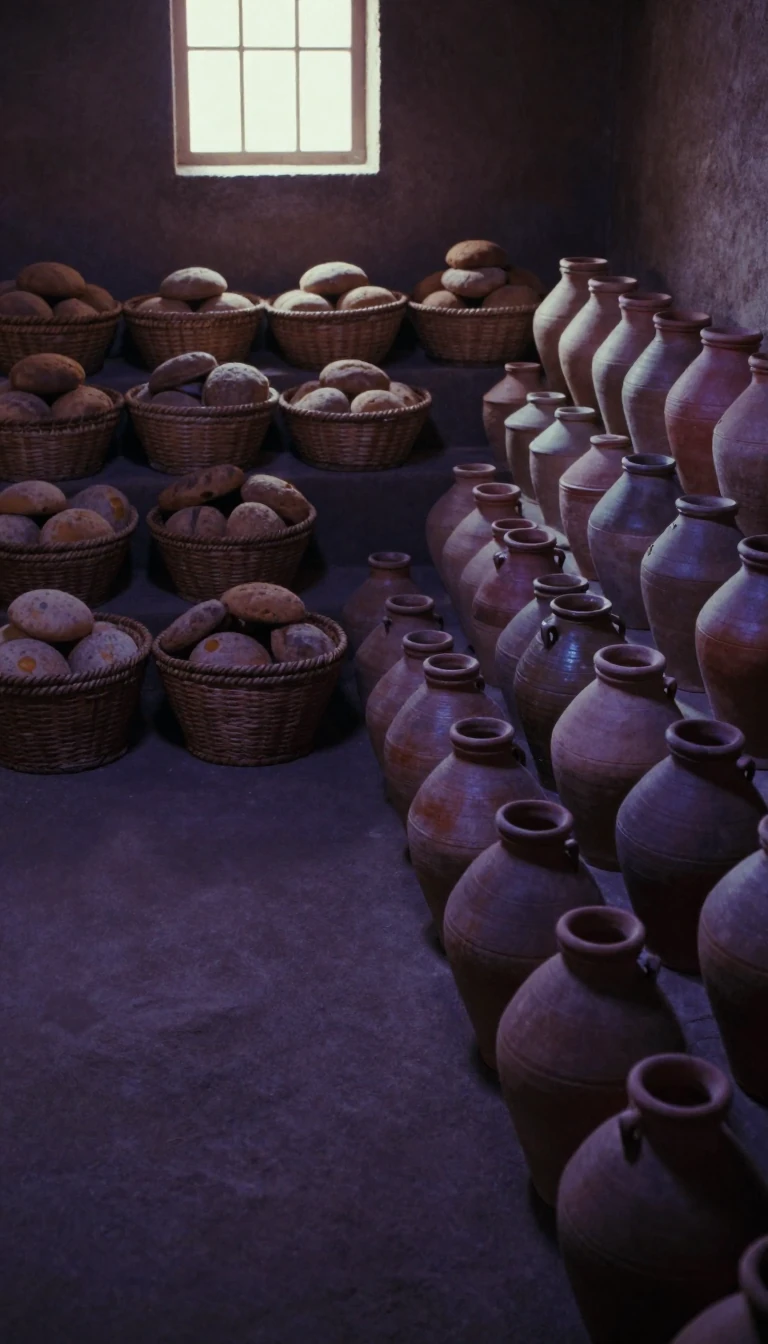
In short: Ethiopian dining is a communal experience centered on injera, a tangy, fermented sourdough flatbread made from ancient teff grain. Serving as both the base for spicy stews and the primary tool for eating, this versatile bread defines a culinary tradition shaped by centuries of religious fasting and agricultural ingenuity.
At the heart of Ethiopian meals lies injera, a large, soft, sourdough flatbread typically 50 centimeters in diameter. Crafted from teff, a grain native to the region, it provides a neutral, tangy foundation for a variety of wot—thick, flavorful stews. Diners traditionally eat with their right hands, tearing off pieces of injera to scoop up bites of meat, legumes, or vegetables. This communal style of eating, often served on a mesob basket, transforms nourishment into a shared cultural ritual.
The complexity of these dishes is driven by a sophisticated spice palette and religious observance. Many Ethiopians follow strict fasting periods, such as the Lenten season and every Wednesday and Friday, during which animal products are forbidden. This has fostered a rich tradition of vegan cooking, utilizing diverse plant-based oils and legumes like lentils and split peas. When meat is consumed, it is often prepared as doro wot, the national chicken stew, or tibs, a sautéed meat dish historically reserved to show special respect to guests.
Flavor profiles are defined by essential staples like berbere, a potent spice blend of chili peppers, ginger, garlic, and various aromatics, and niter kibbeh, a clarified butter infused with spices. Beyond the main courses, the cuisine incorporates unique ingredients like the false banana plant, which is processed into kocho bread or the restorative drink bulla. From the elaborate coffee ceremonies that follow meals to the variety of traditional breads like ambasha and difo dabo, Ethiopian food remains deeply connected to the nation’s agricultural heritage and diverse regional customs.
Opens the Intellect+ feed with this card first. Swipe up for the next one.
Sources
- Summary by Intellect · source: Ethiopian cuisine
To cite this card, link to https://intellectplus.co.uk/app/food-ethiopian-cuisine.
How we source, check and correct cards: Editorial standards.
General information, not professional advice. Spotted an error? Flag the card or see corrections and complaints.
Intellect Plus is a visual educational discovery platform for exploring fascinating facts and ideas. Brain Food, Not Brain Rot. What is Intellect Plus?
Related
More in Cooking, food and drink · More in Food & Drink · Latest · A–Z · All topics
