Why the Royal Navy’s daily rum ration was diluted into a drink called grog
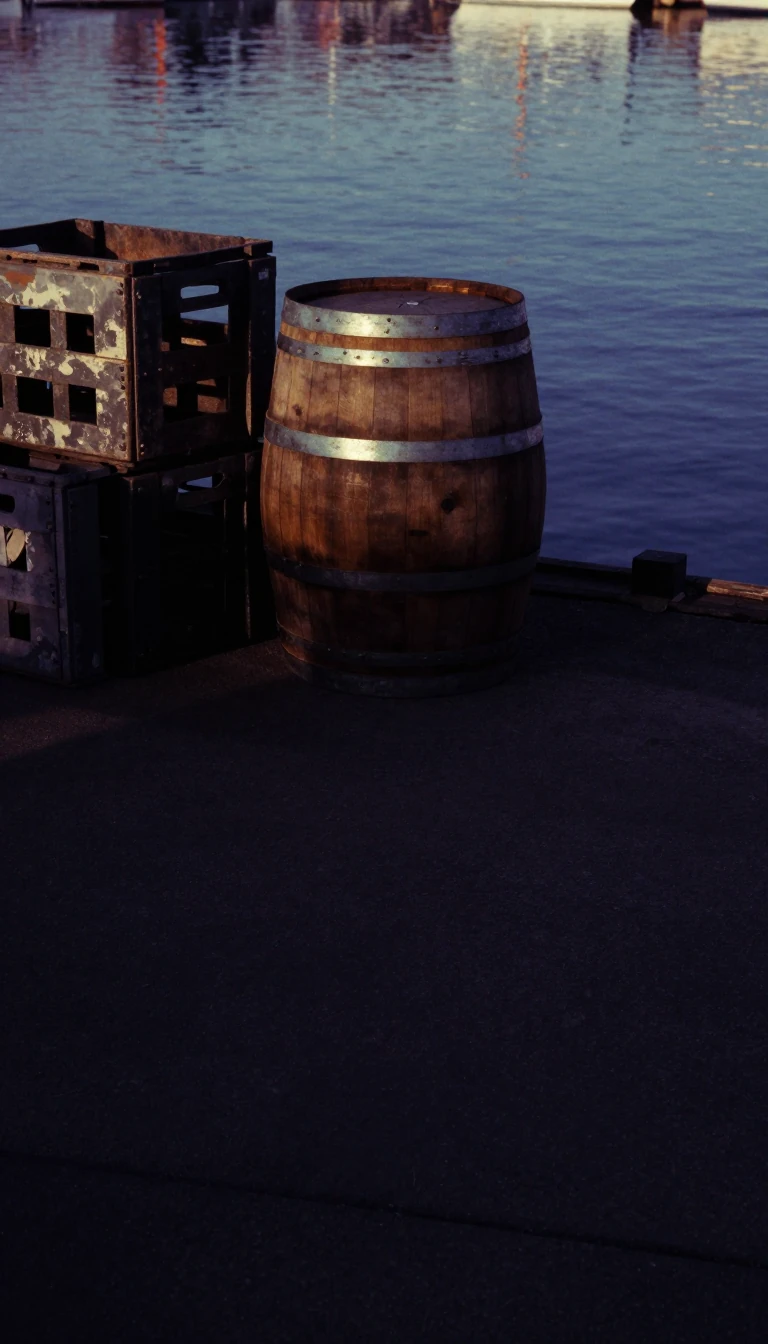
In short: In 1740, British Vice-Admiral Edward Vernon ordered his sailors' potent rum ration to be diluted with water to curb drunkenness and disciplinary issues. Named after the admiral's signature coat, this mixture became known as grog, a staple of naval life that persisted for over two centuries until its final abolition.
The origins of grog are rooted in the practical challenges of maintaining order aboard 18th-century warships. Following the 1655 conquest of Jamaica, rum became the Royal Navy's preferred spirit, replacing beer and brandy. By 1740, the daily ration of undiluted spirits was causing significant problems with illness and intoxication. Vice-Admiral Edward Vernon, nicknamed Old Grog for the grogram cloth coat he favored, mandated that the rum be mixed with water at a 4:1 ratio. This dilution served two purposes: it reduced the immediate intoxicating effects and caused the mixture to spoil faster, which prevented sailors from hoarding their rations.
Contrary to popular belief, Vernon did not introduce this mixture to combat scurvy. While he did suggest that sailors could use their savings from food rations to purchase limes and sugar to improve the taste, there is no evidence he viewed citrus as a medical cure for the disease. At the time, scurvy was typically addressed with fresh food, sauerkraut, and malt. The daily ritual of distributing the rum ration was a highly structured affair, involving the ship's cooper, marines, and the boatswain's mate, who would signal the distribution with the pipe call 'Up spirits'.
The practice of issuing grog evolved significantly over time. In 1850, the daily ration, or 'tot', was halved, and the tradition eventually faced scrutiny as modern machinery required sober operators. The Royal Navy officially ended the daily rum ration on 31 July 1970, a date now remembered as 'Black Tot Day'. While the term originally referred specifically to rum and water, it has since expanded in meaning. In Australia and New Zealand, it serves as a general slang term for alcohol, while in other parts of Europe, it describes various hot, soothing drinks often used as cold remedies.
Today, the legacy of grog persists in both language and military tradition. The word 'groggy' is derived from the beverage, and the U.S. military continues to use a symbolic, often unpalatable 'grog' in formal dining ceremonies to playfully punish those who violate etiquette. From its humble beginnings as a naval disciplinary measure to its modern status as a cultural shorthand for alcohol, grog remains a fascinating artifact of maritime history.
Opens the Intellect+ feed with this card first. Swipe up for the next one.
Sources
- Summary by Intellect · source: Grog
To cite this card, link to https://intellectplus.co.uk/app/food-grog.
How we source, check and correct cards: Editorial standards.
General information, not professional advice. Spotted an error? Flag the card or see corrections and complaints.
Intellect Plus is a visual educational discovery platform for exploring fascinating facts and ideas. Brain Food, Not Brain Rot. What is Intellect Plus?
Related
More in UK & Ireland: food · More in Food & Drink · Latest · A–Z · All topics
