Goulash: How a nomadic cattle-herder's survival meal became a global culinary symbol
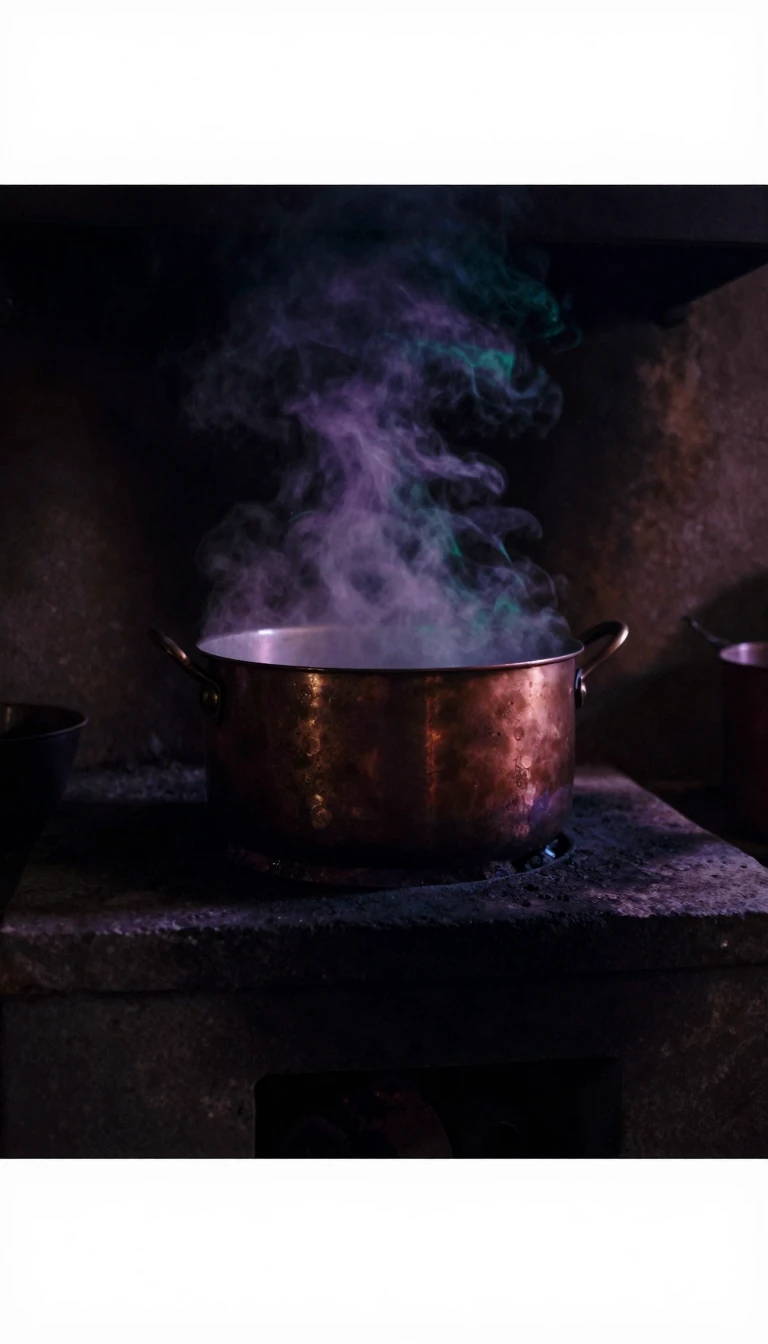
In short: Tracing its roots to 10th-century Hungarian plains, goulash began as sun-dried meat packed into sheep stomachs. Today, this iconic dish has evolved from a simple herdsman's soup into a diverse family of stews across Central Europe, proving that even the most humble, practical origins can define a nation's culinary identity.
The story of goulash begins with the Hungarian gulyás, or cattle herder. In the 10th century, these nomads developed a method to preserve meat by sun-drying it and storing it in sheep stomachs, requiring only water to rehydrate into a meal. Because meat was scarce in medieval times, herdsmen utilized every part of the animal, simmering it over open fires in a cauldron known as a bogrács. This traditional outdoor preparation, bográcsgulyás, remains a foundational technique, relying on an iron tripod and a campfire to create a one-pot dish that is considered a main course.
While the dish is synonymous with Hungary today, its signature ingredient—paprika—was not introduced to Europe until the 16th century. Before this, the stew relied on other spices and the natural flavor of the meat. Modern Hungarian gulyás is typically a soup, distinct from the thicker, stew-like pörkölt. Traditional recipes are notably conservative, avoiding flour or roux for thickening and rarely incorporating tomatoes. Instead, the deep red color and flavor are derived from authentic Hungarian paprika, with essential additions like beef, onions, caraway seeds, potatoes, and carrots. The dish is often finished with csipetke, small noodles pinched by hand from fresh dough.
As the dish spread across the former Austro-Hungarian Empire, it underwent significant regional transformations. In Vienna, the Wiener Saftgulasch emerged as a rich, onion-heavy stew, while in the Czech Republic and Slovakia, it is frequently served with bread dumplings. Variations like Székely gulyás, named after the writer József Székely, incorporate sauerkraut and sour cream. In North America, the term has evolved into a catch-all for heterogeneous mixtures, often featuring elbow macaroni and tomatoes. Whether served as a refined restaurant meal or a rustic outdoor soup, goulash remains a testament to the enduring legacy of the Hungarian plains, with the word itself even entering local slang as a metaphor for a confusing jumble of elements.
Opens the Intellect+ feed with this card first. Swipe up for the next one.
Sources
- Summary by Intellect · source: Goulash
To cite this card, link to https://intellectplus.co.uk/app/food-goulash.
How we source, check and correct cards: Editorial standards.
General information, not professional advice. Spotted an error? Flag the card or see corrections and complaints.
Intellect Plus is a visual educational discovery platform for exploring fascinating facts and ideas. Brain Food, Not Brain Rot. What is Intellect Plus?
Related
More in Cooking, food and drink · More in Food & Drink · Latest · A–Z · All topics
