Why granular cheese is defined by its constant stirring and precise moisture control
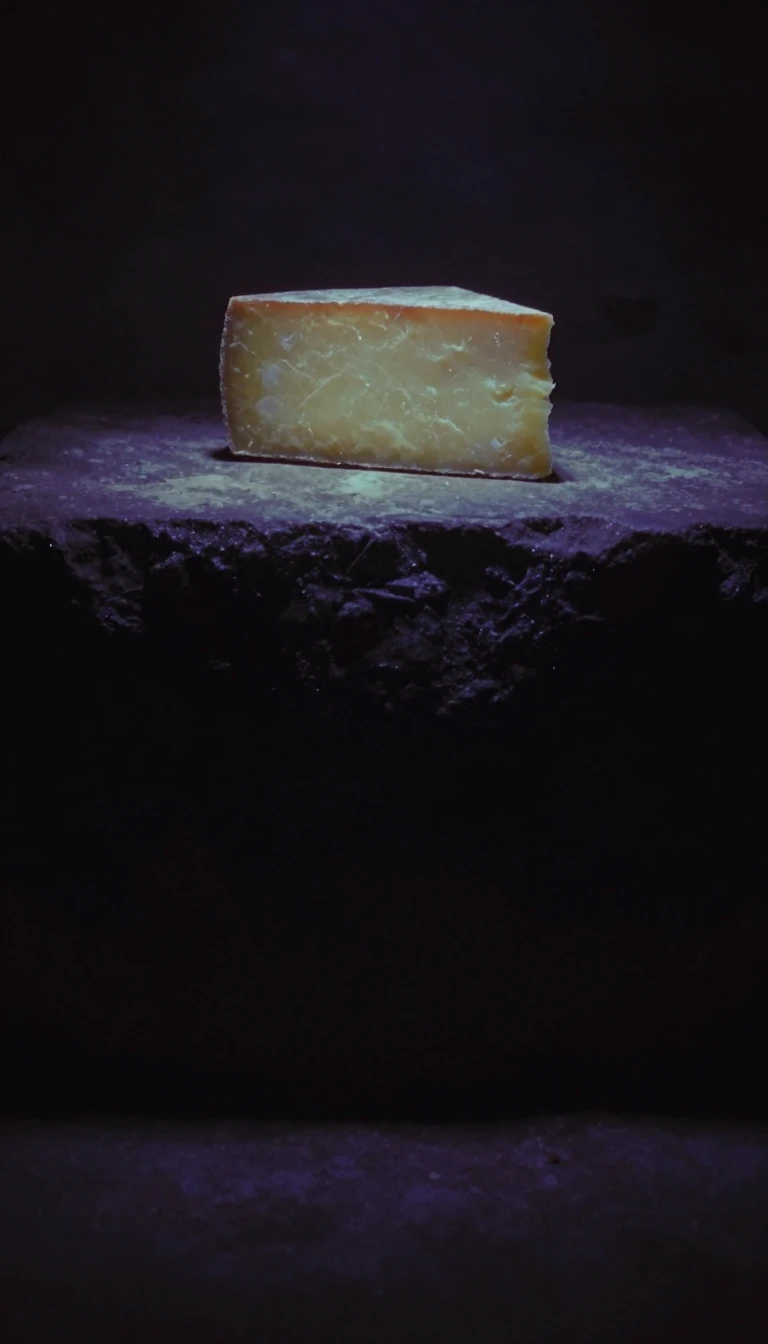
In short: Granular cheese, often called stirred curd cheese, relies on a specific mechanical process to achieve its signature texture. By repeatedly agitating and draining a mixture of curd and whey, cheesemakers create the firm, tangy foundation found in varieties like Parmigiano Reggiano. It is a masterclass in controlled dairy chemistry.
The production of granular cheese is defined by a rigorous sequence of physical and chemical interventions. Initially, milk or cream is warmed and treated with hydrogen peroxide and catalase, which generates water and oxygen. Following this, lactic acid-producing bacterial cultures and clotting enzymes are introduced to transform the liquid into a semisolid mass. This mass is then cut, heated, and subjected to an alternating cycle of stirring and whey drainage. The timing between cutting and heating is critical, as it directly dictates the final moisture and milkfat levels, ultimately influencing the yield of the finished product.
In the United States, the Food and Drug Administration enforces strict standards for what qualifies as granular cheese. To earn the label, the product must contain no more than 39 percent moisture and at least 50 percent milkfat by weight of solids. Safety protocols require that the cheese be made from pasteurized dairy or cured for at least 60 days at a minimum temperature of 35 °F. While these regulations govern consumer-facing products, granular cheese intended for manufacturing is exempt from these curing and pasteurization requirements, making it a staple for further food processing.
The sensory profile of granular cheese is largely a function of time. While unpasteurized versions are technically safe to consume after 60 days, the flavor remains mild. True sharpness develops only with extended aging, typically reaching its peak around the 12-month mark. During this maturation, the cheese may develop characteristic crystals—gritty, semi-solid spots that are a hallmark of the aging process. Whether it is a sharp Parmigiano Reggiano or a milder variety, the final result is a testament to the balance between biological fermentation and precise physical manipulation.
Opens the Intellect+ feed with this card first. Swipe up for the next one.
Sources
- Summary by Intellect · source: Granular cheese
To cite this card, link to https://intellectplus.co.uk/app/food-granular-cheese.
How we source, check and correct cards: Editorial standards.
General information, not professional advice. Spotted an error? Flag the card or see corrections and complaints.
Intellect Plus is a visual educational discovery platform for exploring fascinating facts and ideas. Brain Food, Not Brain Rot. What is Intellect Plus?
Related
More in Cooking, food and drink · More in Food & Drink · Latest · A–Z · All topics
