Why the humble grain might be the architect of human social inequality
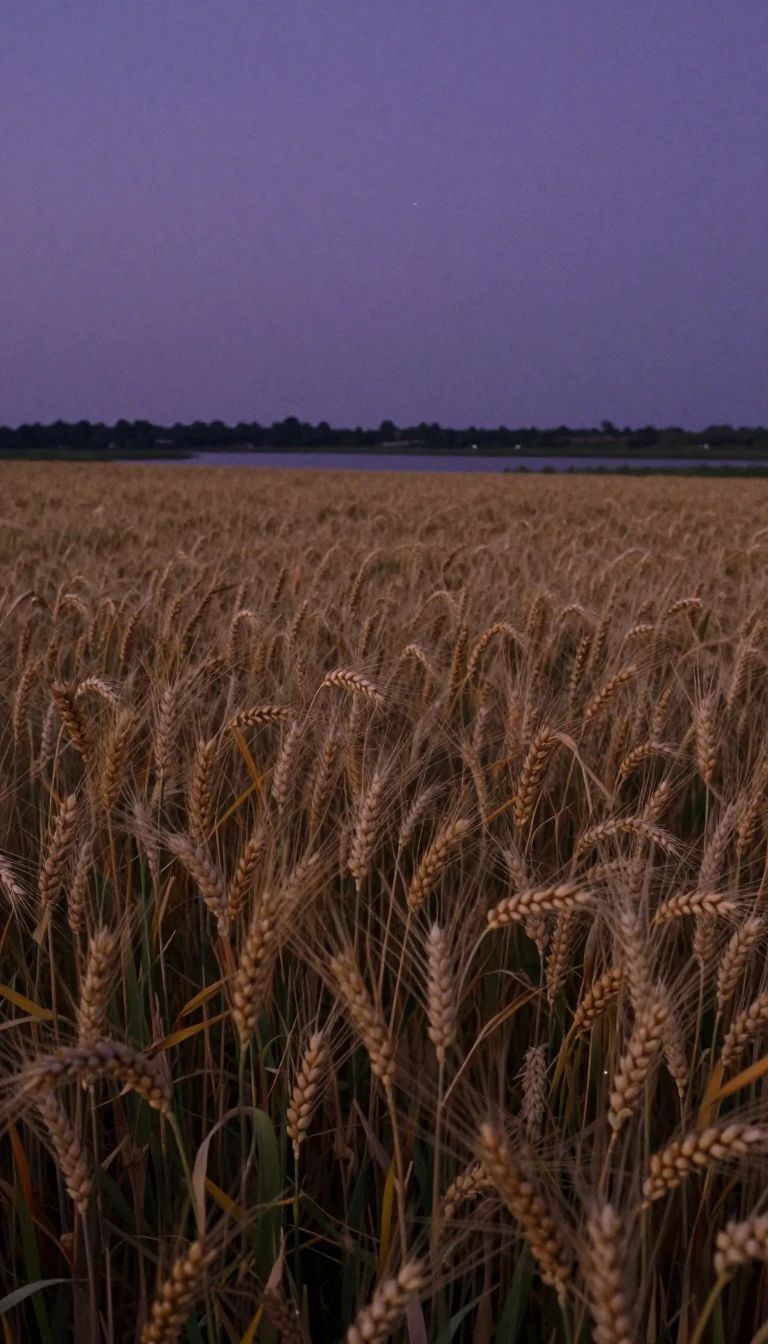
In short: Grains are more than just food; they are the durable, transportable foundation of industrial civilization. Their unique ability to be stored in silos for long periods transformed human history, potentially enabling the rise of social classes. Yet, some scholars argue this shift was not a choice, but a forced transformation.
At its core, a grain is a small, hard, dry fruit known as a caryopsis. While we often associate grains with the grass family—such as wheat, maize, and rice—the term is used broadly in commerce to include seeds from other families that share similar characteristics. This includes pseudocereals like amaranth, kiwicha, and quinoa, which were central to the food systems of pre-Columbian Andean civilizations despite being broad-leaved plants rather than grasses.
The physical properties of grains—small, dry, and durable—made them the ideal commodity for industrial agriculture. Unlike perishable tubers or starchy fruits, grains can be mechanically harvested, shipped across vast distances, and stored in silos for extended periods. This efficiency allowed for the production of food surpluses, a development traditionally credited with enabling the creation of early permanent settlements and the eventual division of society into distinct social classes.
However, this narrative of voluntary progress is not universally accepted. In his book Against the Grain, James C. Scott challenges the idea that humans naturally gravitated toward grain agriculture for its convenience. Instead, he proposes that the transition from hunter-gatherer lifestyles to settled agrarian communities was a coerced process. According to Scott, dominant societal figures imposed this shift to better control labor and resources, fundamentally altering the trajectory of human organization.
Beyond their historical impact, grains remain a vital global commodity, categorized into cereals, legumes, and oilseeds. While they provide essential energy and nutrients—with pulses like soybeans containing up to 35% protein—they also present modern risks. Handling grain at industrial facilities involves significant occupational hazards, including the danger of grain entrapment and the threat of dust explosions caused by fine particles.
Opens the Intellect+ feed with this card first. Swipe up for the next one.
Sources
- Summary by Intellect · source: Grain
To cite this card, link to https://intellectplus.co.uk/app/food-grain.
How we source, check and correct cards: Editorial standards.
General information, not professional advice. Spotted an error? Flag the card or see corrections and complaints.
Intellect Plus is a visual educational discovery platform for exploring fascinating facts and ideas. Brain Food, Not Brain Rot. What is Intellect Plus?
Related
More in Cooking, food and drink · More in Food & Drink · Latest · A–Z · All topics
