How a small fishing outpost became a global financial powerhouse in two centuries
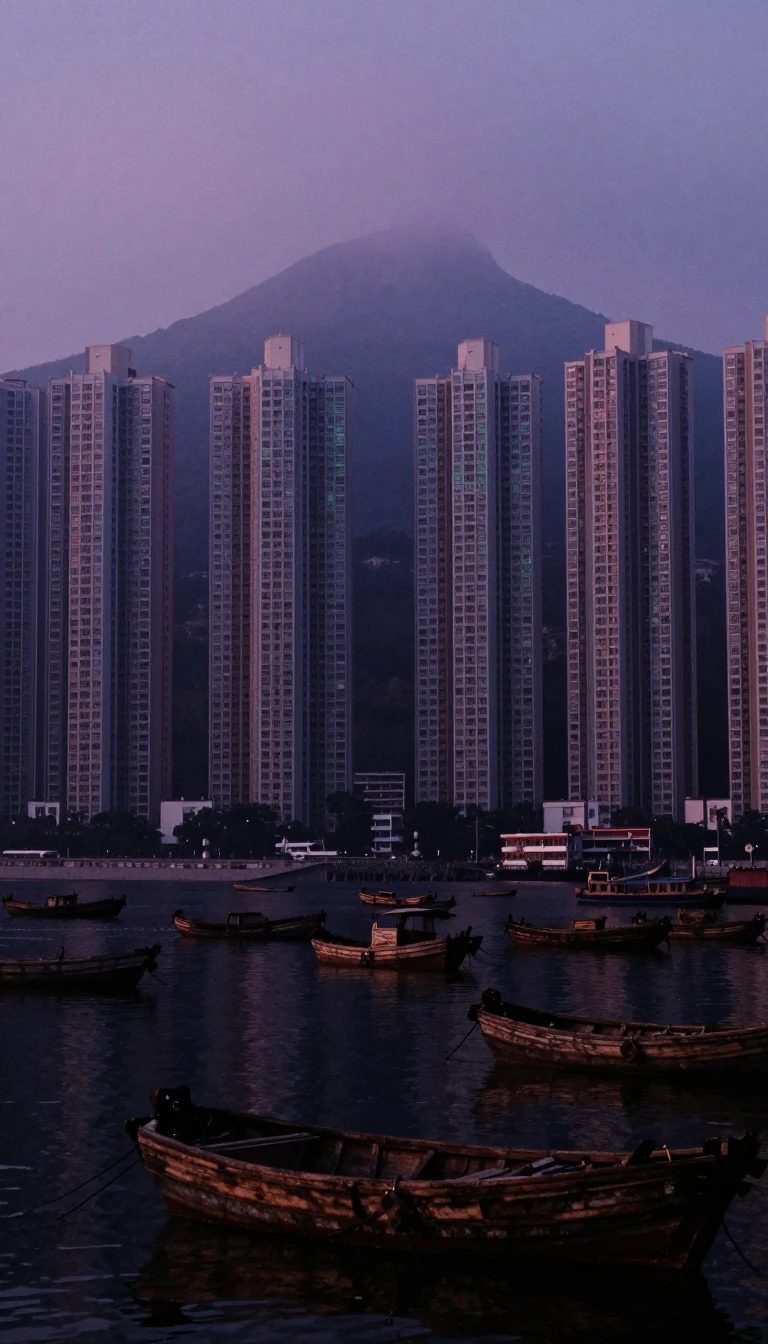
In short: Hong Kong Island began as a collection of quiet fishing villages, only to be ceded to Britain in 1842. Today, it stands as a dense, high-stakes urban core. From its prehistoric roots to its role as a vital trade hub, the island's transformation is a story of rapid, relentless evolution.
Human history on Hong Kong Island stretches back 6,000 years, evidenced by Neolithic artifacts found in Stanley. By the time the Qin dynasty annexed the region in 214 BC, it was already under administrative jurisdiction. Centuries later, during the Sui, Tang, and Song dynasties, the island served as a site for commercial activity, with Song-era copper coins acting as universal currency for transregional trade.
The island's modern trajectory shifted dramatically in 1842 following the First Opium War. Ceded to the United Kingdom under the Treaty of Nanking, it became a Crown colony with a population of roughly 7,450. The British established the City of Victoria, leveraging the deep waters of Victoria Harbour to attract large trade ships. This natural harbor became the engine of the island's development, eventually anchoring the Central district as a global financial hub for institutions like the Hong Kong Stock Exchange and HSBC.
The 20th century brought profound instability, most notably during the Japanese occupation from 1941 to 1945. Following the surrender on Christmas Day—often called Black Christmas—the population plummeted from 1.6 million to 600,000 due to food scarcity, hyper-inflation, and forced deportations. Post-war recovery triggered an exponential population boom, forcing the urbanization of previously industrial areas like North Point and Quarry Bay.
Today, the island covers approximately 78.59 square kilometers, with about 7% of that land reclaimed since 1851. While the northern coast forms a dense urban core, the island retains significant natural spaces, including country parks and the Cape D'Aguilar Marine Reserve. On July 1, 1997, sovereignty was transferred to the People's Republic of China, concluding 156 years of British rule and cementing the island's status as a unique intersection of historical legacy and modern economic power.
Opens the Intellect+ feed with this card first. Swipe up for the next one.
Sources
- Summary by Intellect · source: Hong Kong Island
To cite this card, link to https://intellectplus.co.uk/app/food-hong-kong-island.
How we source, check and correct cards: Editorial standards.
General information, not professional advice. Spotted an error? Flag the card or see corrections and complaints.
Intellect Plus is a visual educational discovery platform for exploring fascinating facts and ideas. Brain Food, Not Brain Rot. What is Intellect Plus?
Related
More in UK & Ireland: food · More in Food & Drink · Latest · A–Z · All topics
