Is hummus a national dish or a culinary battleground for the Middle East?
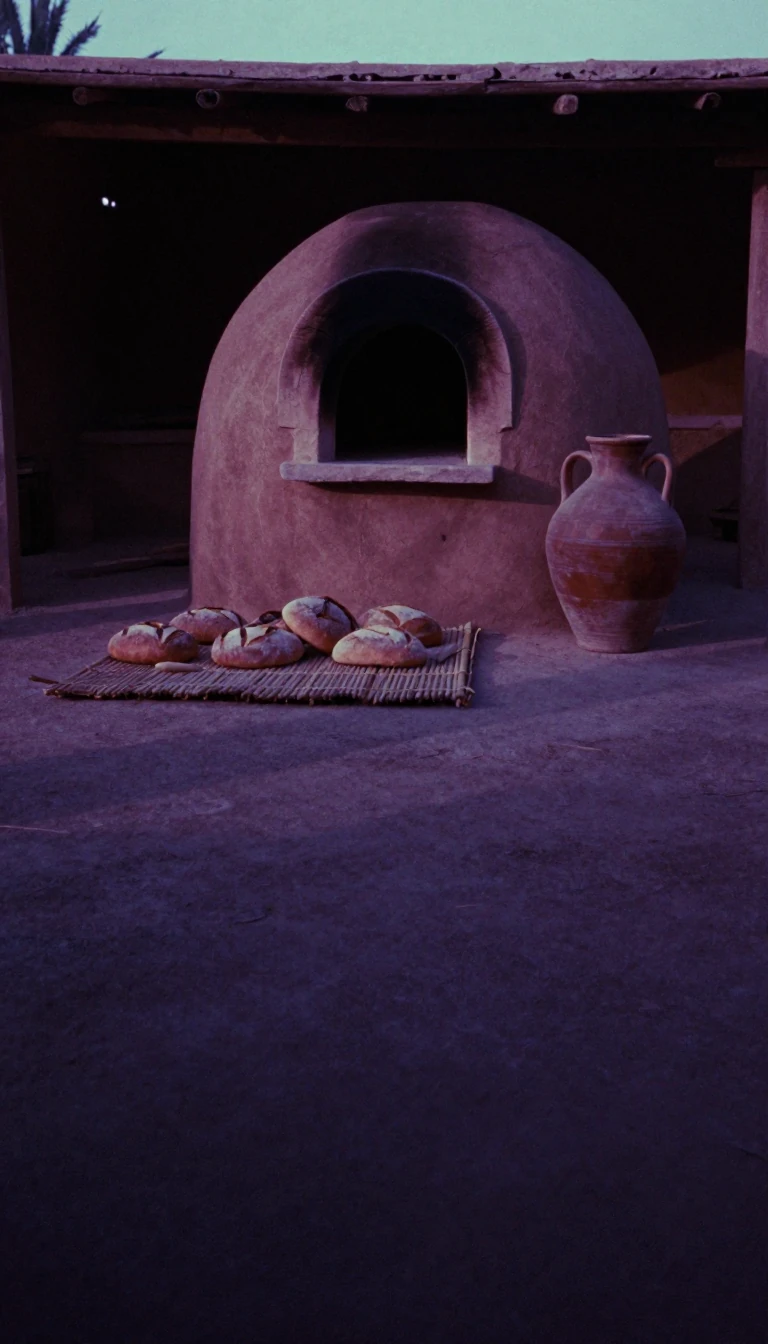
In short: Hummus is a simple blend of chickpeas, tahini, lemon, and garlic, yet it sits at the center of intense geopolitical debates. From Guinness World Record competitions to claims of cultural appropriation, this humble dip has become a powerful symbol of identity, nationalism, and the complex history of the Levant.
The origins of hummus are notoriously difficult to pin down. While chickpeas have been a staple in the Levant and Egypt for centuries, the specific combination of puréed chickpeas and tahini does not appear in historical records until the Abbasid Caliphate. The earliest known mention of a similar dish comes from a 13th-century Syrian cookbook attributed to Ibn al-Adim, though it lacked garlic. By the 14th century, variations appeared in Cairo, and by 1885, garlic had become a standard ingredient in a Lebanese cookbook.
In the modern era, hummus has transcended its regional roots to become a global phenomenon. In the United Kingdom, it was popularized by Greek Cypriot caterers and chefs like Yotam Ottolenghi, eventually becoming a grocery staple. In the United States, the rise of the Sabra Dipping Company helped drive consumption, leading American farmers to increase chickpea production four-fold between 2009 and 2015. This commercial success has fueled intense debates over ownership, with Lebanese industrialists even petitioning for protected status in 2008 to define it as uniquely Lebanese.
The dish is frequently caught in the crossfire of regional politics. Israel’s adoption of hummus as an unofficial national dish is often criticized as cultural appropriation, reflecting broader tensions between Israeli and Arab populations. This rivalry has manifested in bizarre ways, including a 'hummus war' where Israeli and Lebanese chefs competed to set the Guinness World Record for the largest dish. The record, which has shifted between the two nations multiple times, reached 10,450 kilograms in 2010. Ultimately, the quest for the 'authentic' hummus has turned a simple, nutritious food into a potent marker of national identity and historical legitimacy.
Opens the Intellect+ feed with this card first. Swipe up for the next one.
Sources
- Summary by Intellect · source: Hummus
To cite this card, link to https://intellectplus.co.uk/app/food-hummus.
How we source, check and correct cards: Editorial standards.
General information, not professional advice. Spotted an error? Flag the card or see corrections and complaints.
Intellect Plus is a visual educational discovery platform for exploring fascinating facts and ideas. Brain Food, Not Brain Rot. What is Intellect Plus?
Related
More in UK & Ireland: food · More in Food & Drink · Latest · A–Z · All topics
