How Japanese whisky evolved from a Scotch imitation into a global artisanal powerhouse.
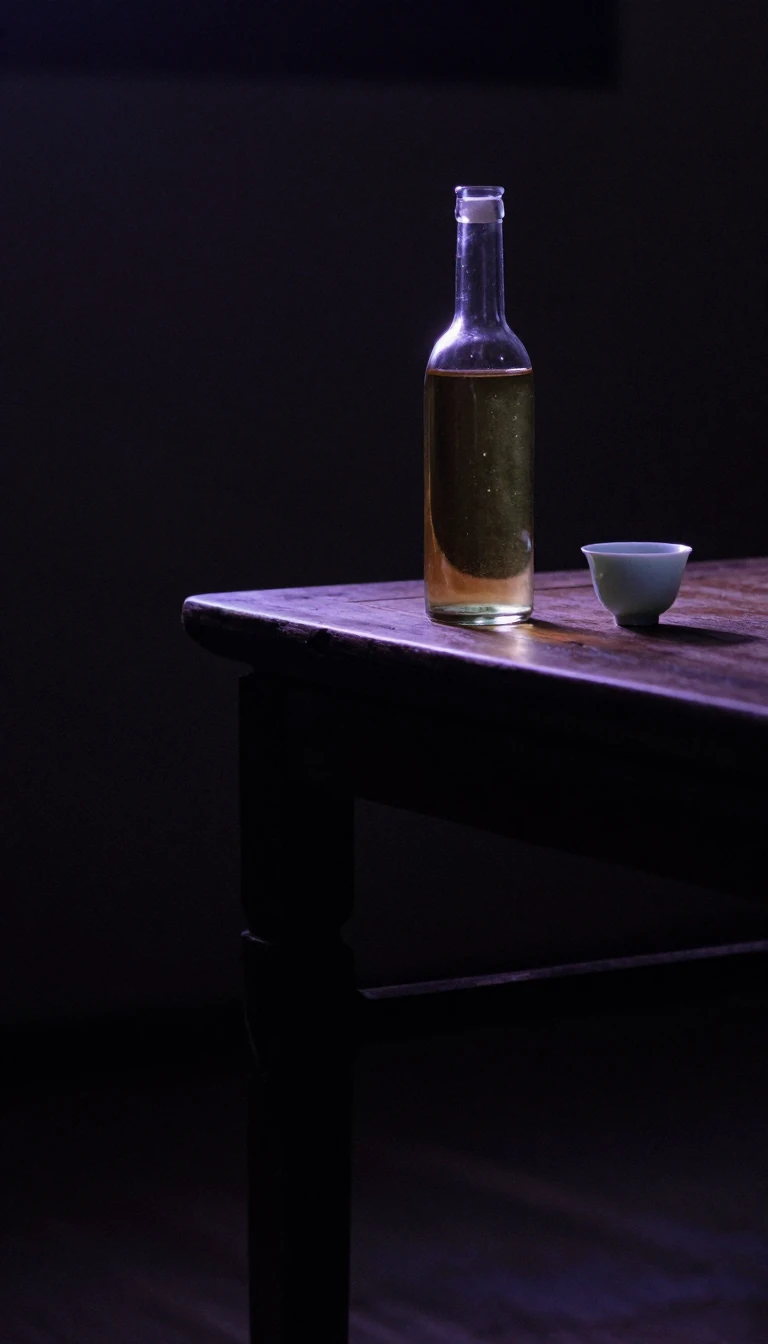
In short: Born from early 20th-century attempts to replicate Scotch, Japanese whisky has transformed into a distinct category defined by precision and vertical integration. After surviving a decades-long domestic slump, the industry now faces a supply crisis driven by international acclaim, leading to new standards for what can truly bear the name.
The story of Japanese whisky began with Masataka Taketsuru, who traveled to Scotland in 1919 to apprentice at the Longmorn and Hazelburn distilleries. Upon returning to Japan in 1920, he partnered with Shinjirō Torii to establish the Yamazaki Distillery in 1923. While Taketsuru later founded Nikka and the Yoichi distillery in 1934 to pursue a more authentic, climate-driven Scotch style, Torii’s company, Kotobukiya—the predecessor to Suntory—focused on integrating whisky into Japanese social life through the highball and the Torys bar chain.
Unlike the Scottish model, where distilleries frequently trade single malts for blending, the Japanese industry became vertically integrated. Companies like Suntory and Nikka own both their distilleries and their brands, keeping their diverse spirit styles in-house. This structure, combined with unique maturation practices—such as the use of Japanese mizunara oak, which imparts notes of sandalwood and coconut—has created a distinct stylistic identity. By the 2010s, this craftsmanship, bolstered by international awards, caused demand to skyrocket, far outpacing the limited inventories left over from a domestic consumption decline that lasted from 1983 to 2008.
To protect the category's reputation, the Japan Spirits & Liqueurs Makers Association introduced voluntary standards in 2021. These rules, which became mandatory for members in 2024, require that products labeled as 'Japanese whisky' be fermented, distilled, aged, and bottled within Japan using Japanese water. This move addresses long-standing concerns regarding transparency, as the industry continues to balance its heritage of technical precision with the pressures of global demand. Today, Japanese whisky stands as the country's most valuable alcoholic beverage export, with over 100 distillery sites now in operation or development.
Opens the Intellect+ feed with this card first. Swipe up for the next one.
Sources
- Summary by Intellect · source: Japanese whisky
To cite this card, link to https://intellectplus.co.uk/app/food-japanese-whisky.
How we source, check and correct cards: Editorial standards.
General information, not professional advice. Spotted an error? Flag the card or see corrections and complaints.
Intellect Plus is a visual educational discovery platform for exploring fascinating facts and ideas. Brain Food, Not Brain Rot. What is Intellect Plus?
Related
More in Cooking, food and drink · More in Food & Drink · Latest · A–Z · All topics
