Jamaican cuisine is a global fusion born from centuries of migration and cultural exchange
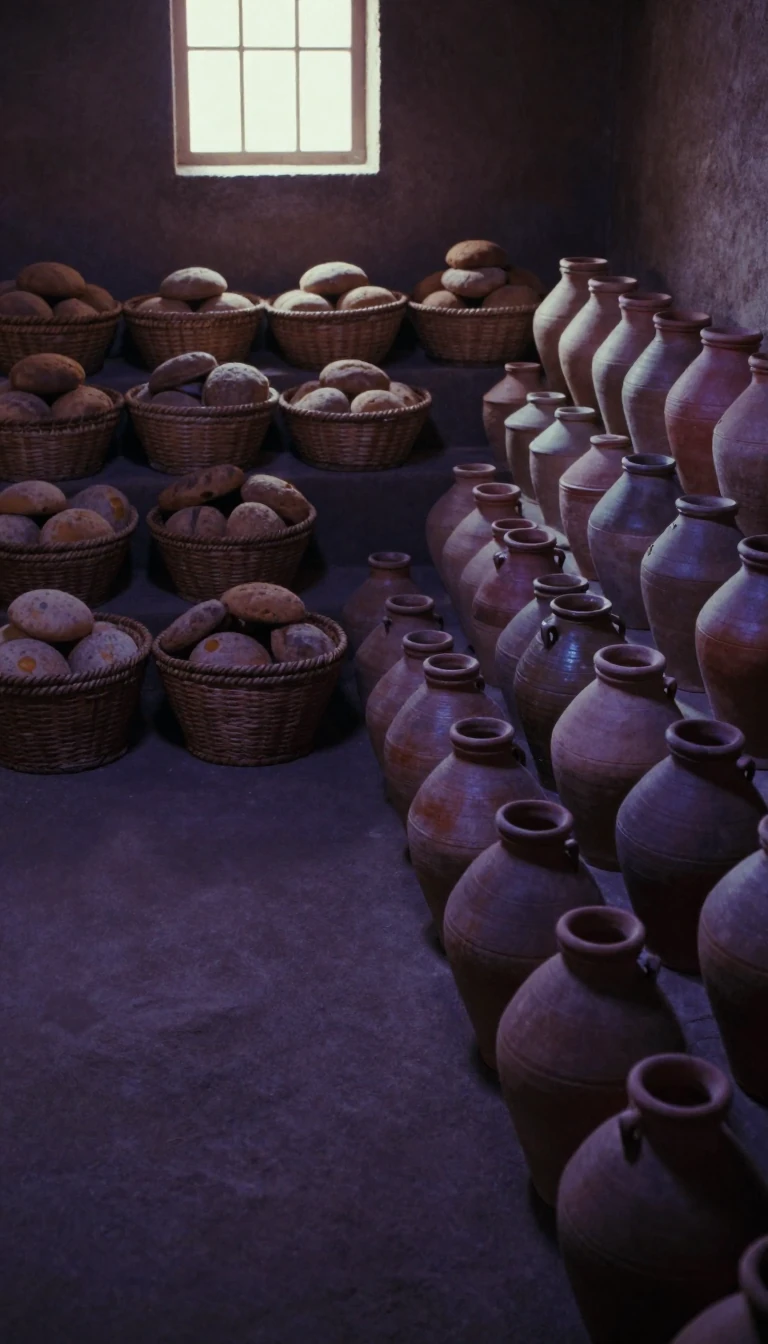
In short: Jamaican food is far more than jerk chicken. It is a complex, centuries-old tapestry woven from the techniques and ingredients of Taíno, African, European, Indian, and Middle Eastern cultures. From the Dutch pot to Chinese stir-fry, the island's kitchen reflects a history of survival, adaptation, and culinary innovation.
The foundation of Jamaican cooking rests on the indigenous Taíno people, who introduced essential techniques like smoking, roasting, and the use of earth ovens. They cultivated native staples such as cassava, peppers, and callaloo, and developed tools like the stone mortar and pestle. Many of these methods, including the use of pimento wood for smoking, remain central to the island's identity today.
Over the centuries, waves of migration transformed these roots into a global fusion. Spanish and Portuguese arrivals brought livestock, citrus, and the saltfish that became a cornerstone of the national dish, ackee and saltfish. Enslaved Africans, meanwhile, contributed one-pot cooking styles and crops like okra and pigeon peas, while British influence left a legacy of baked goods, Sunday roasts, and the distillation of rum. Later, indentured labourers from India and China introduced curry, stir-frying, and the commercialization of the Jamaican patty.
The island's kitchen is defined by constant adaptation. When Chinese migrants could not find original ingredients, they improvised, leading to a unique Jamaican-Chinese cuisine featuring dishes like Jamaicanized wontons. Similarly, the Dutch pot, or 'Dutchie', became a ubiquitous tool for stews and puddings, while Middle Eastern settlers introduced kebabs and hummus. Today, this evolution continues through the Rastafarian 'ital' diet, which emphasizes fresh, organic, and plant-based ingredients, blending ancient traditions with modern health-conscious trends.
This culinary diversity spread far beyond the island's shores. Between the 17th and 20th centuries, Jamaican merchants and labourers working on projects like the Panama Canal introduced their dishes to coastal Latin America. Today, the influence of Jamaican flavours can be found in everything from the 'agua de Jamaica' of Latin America to the 'red drink' celebrated during Juneteenth in the United States, proving that the island's food is a living, global heritage.
Opens the Intellect+ feed with this card first. Swipe up for the next one.
Sources
- Summary by Intellect · source: Jamaican cuisine
To cite this card, link to https://intellectplus.co.uk/app/food-jamaican-cuisine.
How we source, check and correct cards: Editorial standards.
General information, not professional advice. Spotted an error? Flag the card or see corrections and complaints.
Intellect Plus is a visual educational discovery platform for exploring fascinating facts and ideas. Brain Food, Not Brain Rot. What is Intellect Plus?
Related
More in Cooking, food and drink · More in Food & Drink · Latest · A–Z · All topics
