Shōchū is Japan's versatile, centuries-old answer to the world of distilled spirits.
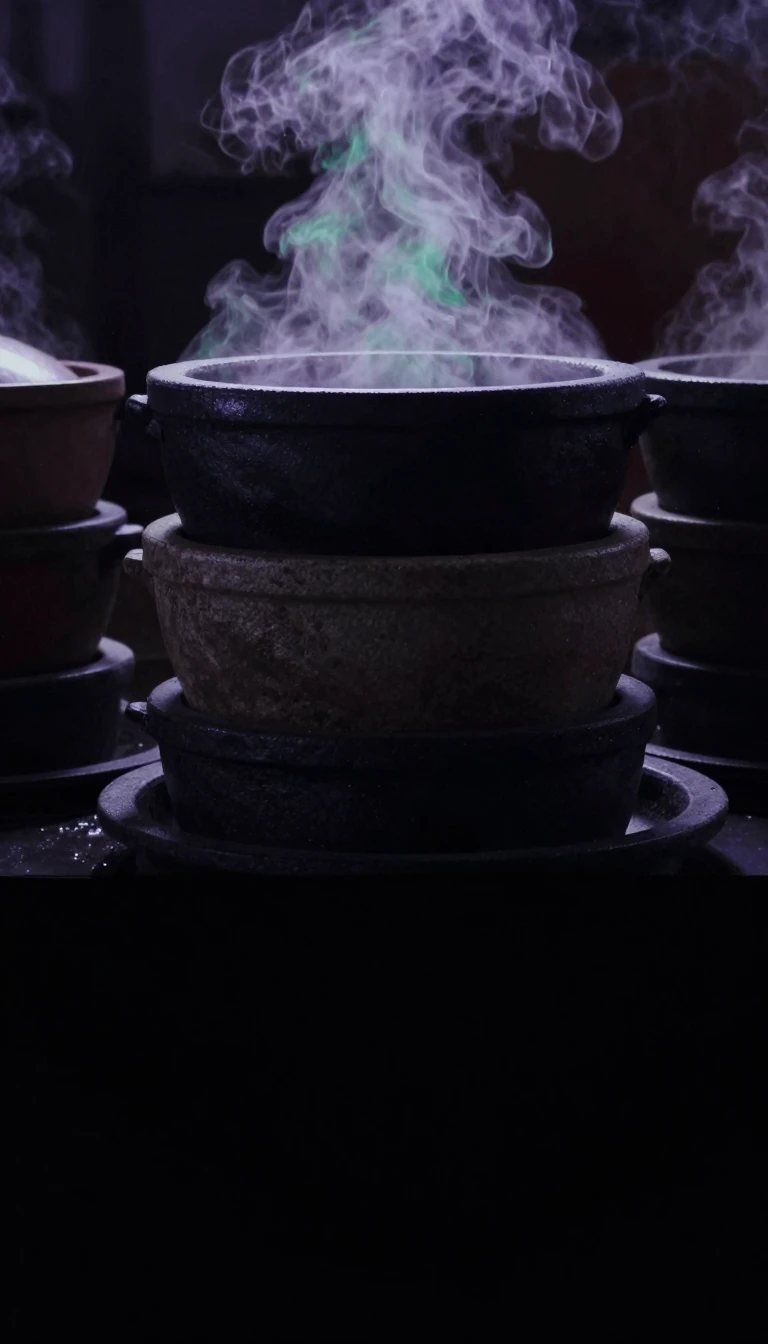
In short: Often misunderstood as a simple rice wine, shōchū is a diverse distilled spirit with a history dating back to the 16th century. From humble beginnings as a worker's drink to a modern, trendy staple, this Japanese beverage offers a unique, earthy profile that continues to evolve through innovation and tradition.
The origins of shōchū are deeply rooted in Japanese history, with records dating back to at least 1549, when missionary Francis Xavier noted the local consumption of a rice-based spirit. By 1559, the drink was so central to daily life that two carpenters working on the Kōriyama Hachiman shrine famously carved graffiti into a roof plank complaining that the high priest was too stingy to provide them with any. Traditionally, this spirit was produced using single-pot distillation, a method that persisted until the Meiji period, when British column stills were introduced to combat rice shortages, enabling the mass production of high-purity, multiply distilled spirits.
Modern shōchū is categorized by strict Japanese taxation laws, which distinguish between Class A (kōrui) and Class B (otsurui) varieties. Class A is typically produced in large factories using patent stills, resulting in a high-purity, neutral spirit often used as a base for mixed drinks like the chūhai. In contrast, Class B shōchū—often considered the more traditional style—is distilled using methods that preserve the distinct flavors of its base ingredients, such as sweet potatoes, barley, or buckwheat. The early 20th century saw a revolution in this production, led by the Kurose Toji Guild, which introduced multi-stage fermentation and specialized koji molds to enhance quality.
The beverage has undergone a significant cultural transformation. Once viewed as an old-fashioned drink for older men, a consumer boom in the early 21st century—marked by 2003 shipments surpassing sake—rebranded it as a trendy choice for younger drinkers. This shift was fueled by health-conscious marketing, despite medical warnings regarding excessive consumption. Today, shōchū remains a versatile fixture in Japanese culture, enjoyed neat, on the rocks, or diluted with water, and continues to gain a foothold in international markets as enthusiasts discover its complex, nutty, and earthy characteristics.
Opens the Intellect+ feed with this card first. Swipe up for the next one.
Sources
- Summary by Intellect · source: Shōchū
To cite this card, link to https://intellectplus.co.uk/app/food-sh-ch.
How we source, check and correct cards: Editorial standards.
General information, not professional advice. Spotted an error? Flag the card or see corrections and complaints.
Intellect Plus is a visual educational discovery platform for exploring fascinating facts and ideas. Brain Food, Not Brain Rot. What is Intellect Plus?
Related
More in Cooking, food and drink · More in Food & Drink · Latest · A–Z · All topics
