The science of the perfect mash: why starch content dictates your potato's final texture
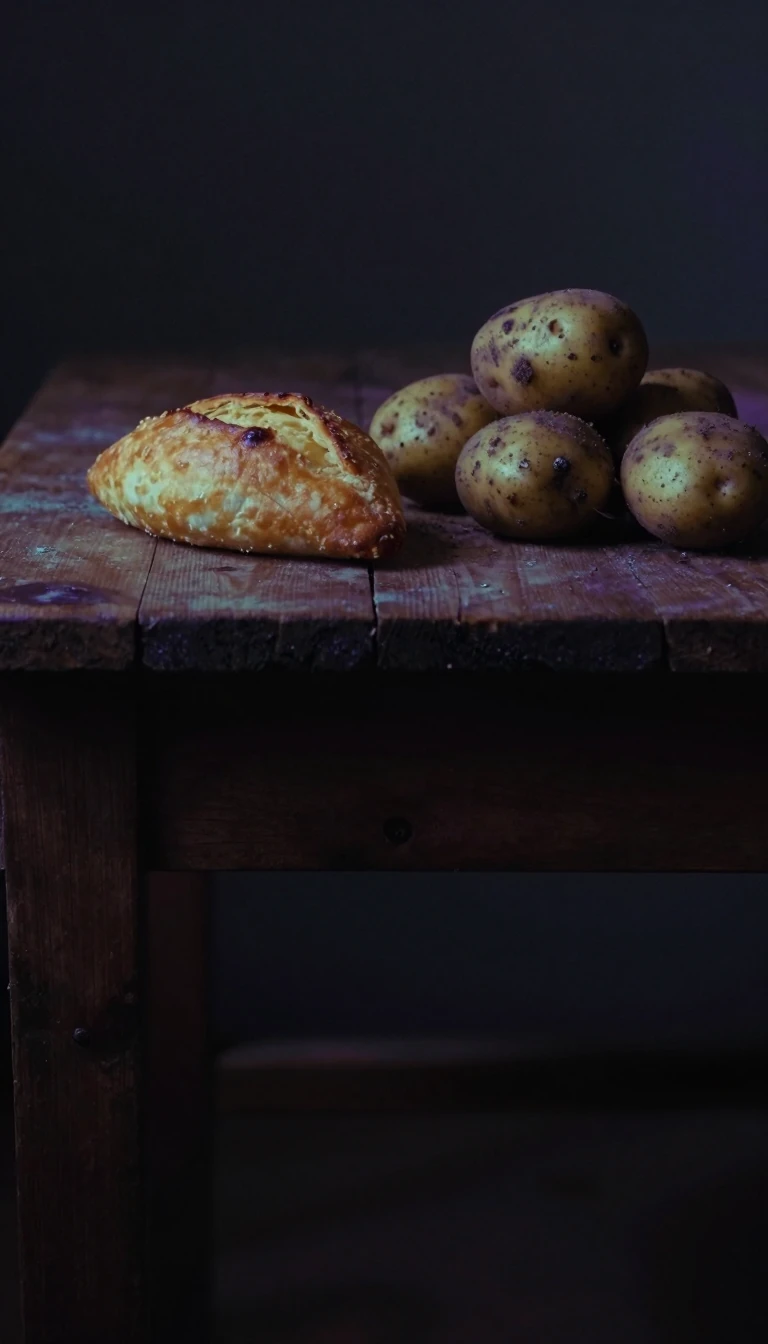
In short: Mashed potatoes are a global culinary staple, yet achieving the ideal consistency depends entirely on your choice of tuber. By understanding the chemistry of amylose versus amylopectin, you can master everything from fluffy, cloud-like mounds to the dense, sticky textures prized in regional cuisines from Yunnan to the Indian subcontinent.
At the heart of a superior mash lies the starch composition of the potato. Culinary experts generally advocate for floury varieties, such as the Russet in North America or the King Edward in Britain, because they possess a high ratio of amylose. This starch structure breaks down during cooking to create a light, airy, and creamy result. Conversely, waxy potatoes contain more amylopectin, which produces a denser, chewier, and stickier mouthfeel. This property is intentionally leveraged in specific dishes, such as the pounded potato preparations found in Yunnan cuisine.
The preparation of this humble dish varies wildly across cultures, reflecting local tastes and available ingredients. While a standard Western approach might involve mashing boiled potatoes with butter, milk, salt, and pepper—a method documented as early as 1747 in Hannah Glasse's The Art of Cookery—other traditions take a more complex path. French techniques, for instance, can be remarkably decadent; some recipes for potato puree incorporate butter at a ratio of one part fat to every two parts potato. Others, like the Duchess potato, introduce egg yolks before piping the mixture into rosettes for browning.
Beyond the classic side dish, mashed potatoes serve as a versatile foundation for global comfort foods. In India, spiced versions like aloo bharta or chaukha are essential components of samosas and litti. In Kenya, the Kikuyu people prepare mukimo, a dish blending potatoes with corn and peas. Meanwhile, in the United Kingdom, leftovers are frequently repurposed into breakfast staples like potato cakes or the vegetable-heavy bubble and squeak. Whether you use a traditional masher for a rustic texture or a ricer to ensure a perfectly uniform, lump-free consistency, the dish remains a testament to the potato's remarkable culinary adaptability.
Opens the Intellect+ feed with this card first. Swipe up for the next one.
Sources
- Summary by Intellect · source: Mashed potato
To cite this card, link to https://intellectplus.co.uk/app/food-mashed-potato.
How we source, check and correct cards: Editorial standards.
General information, not professional advice. Spotted an error? Flag the card or see corrections and complaints.
Intellect Plus is a visual educational discovery platform for exploring fascinating facts and ideas. Brain Food, Not Brain Rot. What is Intellect Plus?
Related
More in Cooking, food and drink · More in Food & Drink · Latest · A–Z · All topics
