Matzah is more than a cracker; it is a symbol of history and redemption.
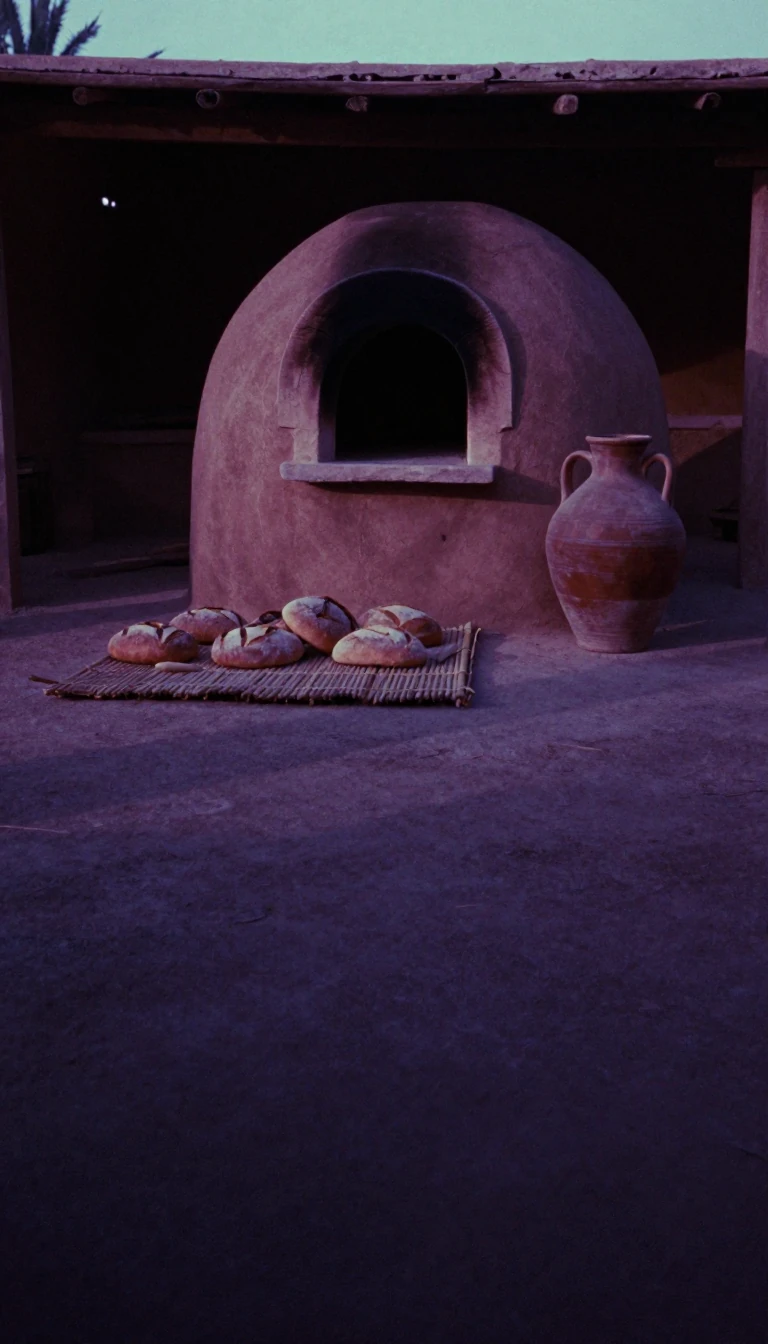
In short: Matzah, the unleavened bread central to Passover, represents both the haste of the biblical exodus from Egypt and a profound lesson in humility. While often seen as a simple, crisp flatbread, its production, symbolism, and culinary uses vary widely across Jewish traditions, reflecting centuries of religious law and cultural adaptation.
Matzah is defined by its lack of leavening, a requirement rooted in the biblical narrative of the Israelites fleeing Egypt in such haste that their dough could not rise. This 'bread of affliction' serves as a reminder of servitude and a rejection of the leavened bread that symbolized ancient Egyptian culture. Beyond its historical weight, matzah functions as a tool for social equality; by mandating that all people eat the same unleavened bread during Passover, the tradition bridges the gap between rich and poor, who historically relied on different grains.
The production of matzah is strictly governed by Jewish law, which considers dough to begin the leavening process 18 minutes after it becomes wet. Consequently, modern bakeries prioritize speed, often pricking the dough to prevent puffing. While mass-produced, crisp matzah became the standard following the invention of the first machine in France in 1839, some communities, such as those in Yemen and Iraq, maintain the tradition of soft, pita-like matzah. The grain used must be one of five specific types: wheat, spelt, barley, rye, or oat.
Culinary applications of matzah are diverse, though contested. Some Ashkenazi Jews avoid 'gebrochts'—the practice of cooking with matzah—fearing that contact with water might trigger further leavening. Conversely, Sephardic traditions frequently incorporate matzah into complex dishes like the pie known as 'mina'. The bread's significance even extends beyond Judaism; various Christian traditions, including Roman Catholicism, utilize unleavened bread for the Eucharist, drawing a connection to the Last Supper as a Passover meal. Whether consumed as a simple cracker or ground into meal for matzah balls, this ancient food remains a vital link to the past.
Opens the Intellect+ feed with this card first. Swipe up for the next one.
Sources
- Summary by Intellect · source: Matzah
To cite this card, link to https://intellectplus.co.uk/app/food-matzah.
How we source, check and correct cards: Editorial standards.
General information, not professional advice. Spotted an error? Flag the card or see corrections and complaints.
Intellect Plus is a visual educational discovery platform for exploring fascinating facts and ideas. Brain Food, Not Brain Rot. What is Intellect Plus?
Related
More in Cooking, food and drink · More in Food & Drink · Latest · A–Z · All topics
