Why this classic English dish once contained no potatoes at all
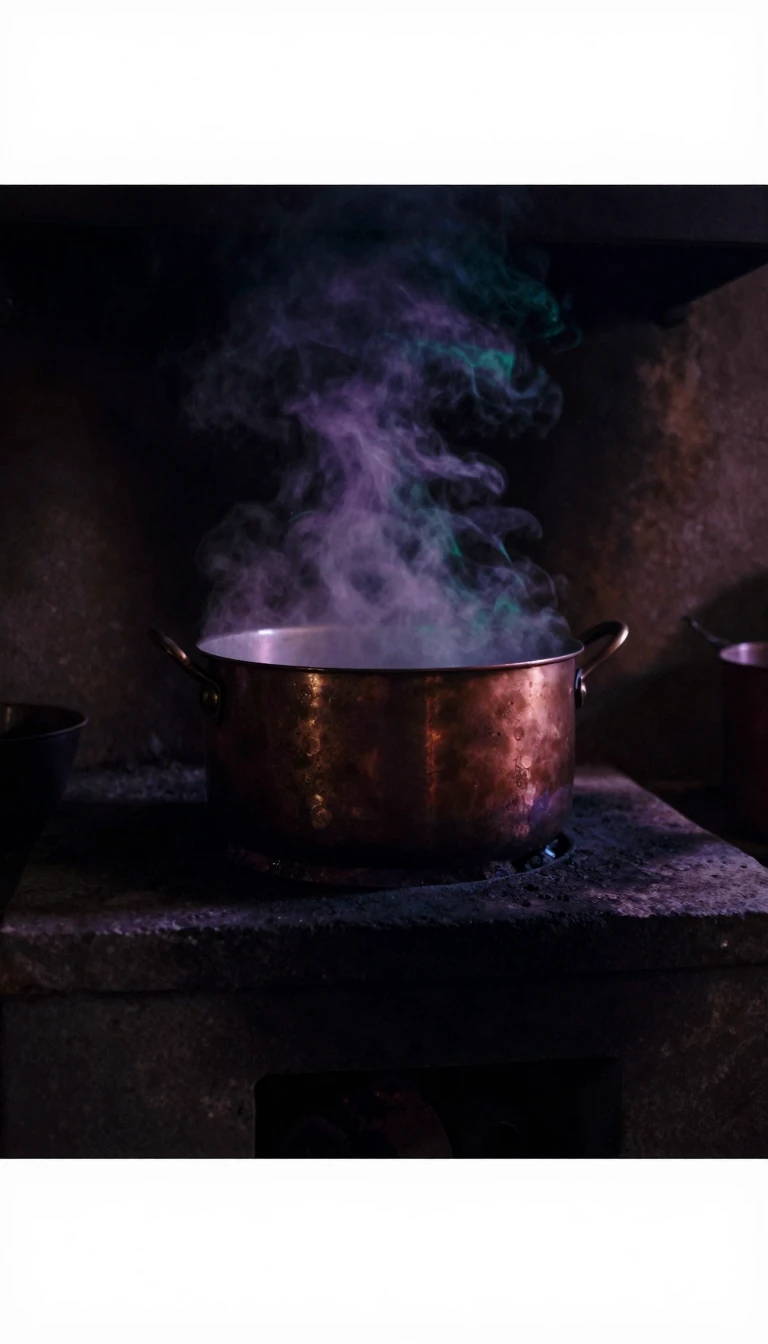
In short: Bubble and squeak is celebrated today as a humble mixture of fried cabbage and mashed potato. Yet, for over a century, the dish was defined by its meat. Originally a way to serve roast beef, it only evolved into a vegetable-heavy staple after the food shortages of the mid-20th century.
The name of the dish, first recorded in 1762, refers to the audible sizzling of ingredients in a frying pan. Early iterations were far from the vegetarian-friendly mash we recognize today. Maria Rundell’s 1806 recipe, the earliest known, featured only cabbage and rare roast beef. Throughout the 19th century, cookbooks by figures like William Kitchiner and Isabella Beeton consistently paired meat with cabbage, often serving the components side-by-side rather than combined. Potatoes were notably absent from these traditional preparations, even in regions where they were already a common crop.
The transition to a potato-based dish was a slow process that gained momentum in the late 1800s. However, the definitive shift toward the modern version—mashed potato and cabbage—occurred during and after the Second World War. With beef scarce due to rationing, cooks adapted by relying on leftover vegetables. By the late 20th century, this vegetable-forward approach became the standard, championed by modern chefs like Delia Smith, who stripped the recipe down to its two core components.
Today, the dish is a canvas for culinary creativity. While purists might insist on potato and cabbage, others incorporate leeks, swede, carrots, or even leftover holiday meats like goose and ham. The preparation also varies, with some cooks shaping the mixture into individual cakes and others frying the entire pan at once. Beyond the kitchen, the term has permeated British culture, serving as a metaphor for chaotic mixtures, a piece of cockney rhyming slang, and even the name of cartoon characters in the 1940s.
Despite its humble origins, bubble and squeak remains a subject of international fascination. It has been cited as a great peasant dish and has even sparked minor debates regarding its true national roots, with claims linking it to Ireland, Scotland, Australia, and England. Whether viewed as a practical solution for leftovers or a nostalgic comfort food, it continues to evolve while retaining its evocative, century-old name.
Opens the Intellect+ feed with this card first. Swipe up for the next one.
Sources
- Summary by Intellect · source: Bubble and squeak
- Also: Wikidata — Bubble and Squeak · CC0
- Also: Wikidata — bubble and squeak · CC0
To cite this card, link to https://intellectplus.co.uk/app/places-bubble-and-squeak.
How we source, check and correct cards: Editorial standards.
General information, not professional advice. Spotted an error? Flag the card or see corrections and complaints.
Intellect Plus is a visual educational discovery platform for exploring fascinating facts and ideas. Brain Food, Not Brain Rot. What is Intellect Plus?
Related
More in Cities · More in Countries & Cities · Latest · A–Z · All topics
