Why a masonry oven is more like a battery than a heater
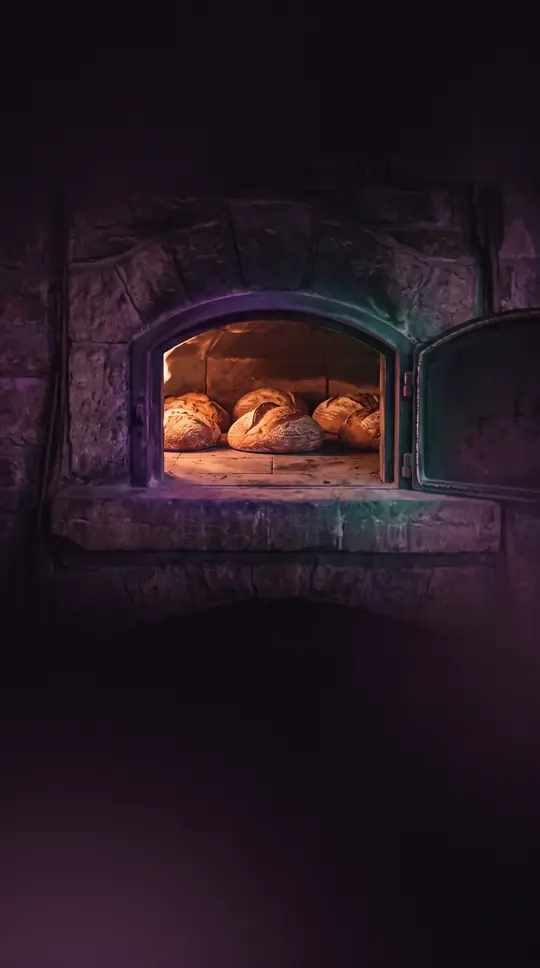
In short: Modern ovens cook by circulating hot air, but a masonry oven functions through thermal mass. It absorbs energy and stores it, releasing a steady stream of radiant heat that transforms the chemistry of bread and pizza in ways a standard kitchen appliance simply cannot replicate.
The fundamental difference lies in thermodynamics. While a standard gas or electric oven relies on convection—moving hot air around a lightweight box—a masonry oven acts as a thermal reservoir. Materials like fireproof brick, stone, clay, or cob soak up heat during the firing process. Once charged, these dense walls slowly discharge that energy for hours. This creates a triple-threat of cooking methods: radiant heat from the walls, conductive heat from the floor bricks, and convection from the air.
For bread and pizza, this conductive heat is transformative. Because these items are not placed in pans, the heat travels directly from the hot floor into the dough. This creates 'oven spring,' a rapid rising action. Simultaneously, the heavy masonry seals in the steam produced by the food's moisture. This supercharged, humid atmosphere facilitates the Maillard reaction, resulting in a crust that is both flavorful and chewy while keeping the interior tender.
Historically, these ovens evolved from simple earth pits to complex structures. Ancient Egyptians used heated clay pots to cover dough on hot stones, a precursor to the enclosed masonry ovens of the Roman Republic. In France, 'banal' ovens were even publicly owned and rented out. Modern designs have further refined this, such as the 'white oven,' which fires externally to keep soot out of the baking chamber, or the 'gueulard,' a French hybrid system.
Engineering these structures requires balancing mass and insulation. Because masonry loses heat as quickly as it absorbs it, builders must use fireproof materials to create an insulating 'blanket' and 'mattress.' Innovations since the 1980s, such as Alan Scott's use of lightweight concrete with pumice or perlite, allow ovens to 'hang' from supporting slabs. This creates an insulating air gap that prevents heat from escaping into the ground, a critical step for maintaining high temperatures.
Opens the Intellect+ feed with this card first. Swipe up for the next one.
Sources
- Summary by Intellect · source: Masonry oven
To cite this card, link to https://intellectplus.co.uk/app/food-masonry-oven.
How we source, check and correct cards: Editorial standards.
General information, not professional advice. Spotted an error? Flag the card or see corrections and complaints.
Intellect Plus is a visual educational discovery platform for exploring fascinating facts and ideas. Brain Food, Not Brain Rot. What is Intellect Plus?
Related
More in Baking · More in Food & Drink · Latest · A–Z · All topics
