Mirin is more than just a sweetener: it is a complex, fermented culinary essential
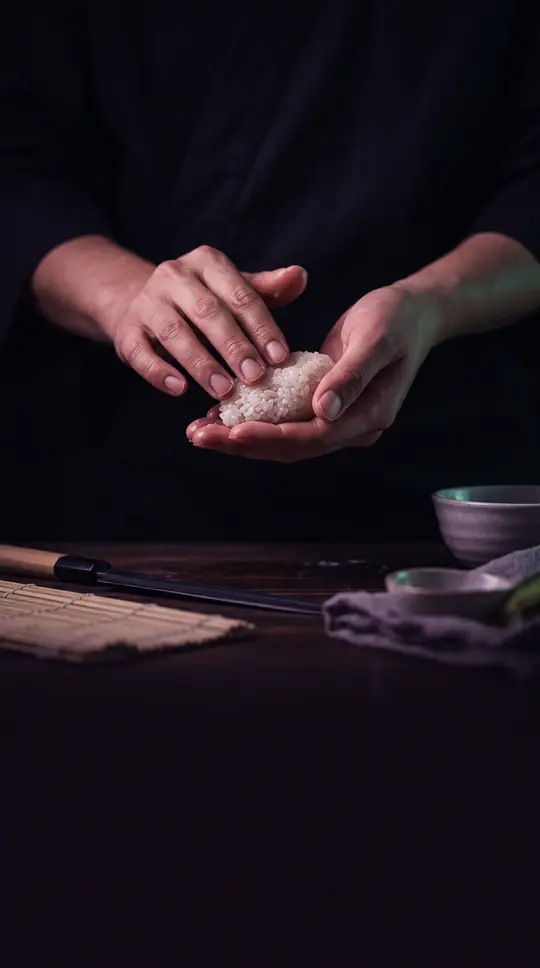
In short: Often mistaken for a simple sugar syrup, mirin is a traditional Japanese rice wine born from a delicate fermentation process. By balancing natural sweetness, umami, and alcohol, this golden liquid transforms everything from grilled eel to sushi rice. Discover why the best versions are brewed, not just blended.
At its core, traditional hon mirin is a product of patience and chemistry. The process begins by mixing steamed glutinous rice with rice kōji—rice inoculated with the fungus Aspergillus oryzae—and a distilled spirit like shōchū. Unlike sake production, where yeast is encouraged to convert sugars into alcohol, mirin production introduces alcohol early to inhibit yeast activity. This clever mechanism preserves the natural sugars and amino acids created as enzymes in the kōji break down the rice starch. The resulting mash, or moromi, is aged for 40 to 60 days, allowing the liquid to develop its signature color, sweetness, and umami depth.
The modern landscape of mirin is fragmented, often confusing the consumer. While hon mirin remains the gold standard, other products like shio mirin are salted to avoid alcohol taxes, and shin mirin—or mirin-fu chomiryo—are merely synthetic blends of syrups and flavorings containing less than 1% alcohol. These substitutes lack the authentic fermentation profile of the original. Even the term aji-mirin can be misleading, as it is used as a catch-all for various salt-added or synthetic products. Distinguishing between these is vital for achieving the intended flavor profile in Japanese cooking.
Historically, mirin evolved from a sweet sake variety in the early 17th century, eventually becoming a staple in Edo-era cuisine. Its application varies by region: the Kansai style favors nikiri mirin, where the liquid is briefly boiled to evaporate excess alcohol, while the Kantō style often uses it untreated. Beyond its role as a seasoning, mirin serves as a functional tool, capable of masking fishy odors in seafood or providing a glossy finish to glazes. Whether used in kabayaki sauce for eel or as a component in sushi rice vinaigrette, its ability to replace sugar and soy sauce makes it an indispensable element of the Japanese pantry.
Opens the Intellect+ feed with this card first. Swipe up for the next one.
Sources
- Summary by Intellect · source: Mirin
To cite this card, link to https://intellectplus.co.uk/app/food-mirin.
How we source, check and correct cards: Editorial standards.
General information, not professional advice. Spotted an error? Flag the card or see corrections and complaints.
Intellect Plus is a visual educational discovery platform for exploring fascinating facts and ideas. Brain Food, Not Brain Rot. What is Intellect Plus?
Related
More in Cooking, food and drink · More in Food & Drink · Latest · A–Z · All topics
