Is your kitchen a laboratory? The scientific truth behind molecular gastronomy
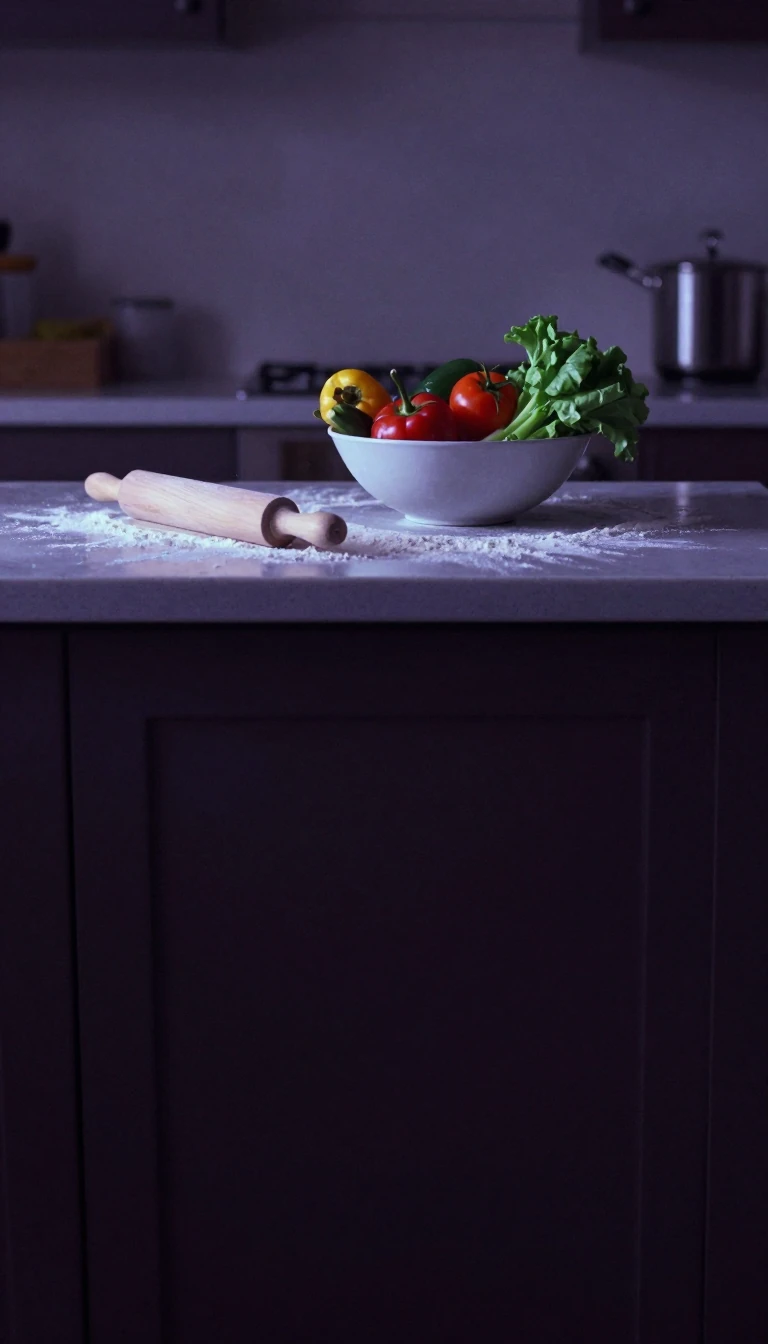
In short: Molecular gastronomy is often confused with avant-garde culinary trends, but it is actually a rigorous scientific discipline. Established in 1988, it investigates the physical and chemical transformations occurring during everyday cooking. While chefs use these findings to innovate, the field itself remains dedicated to understanding the fundamental mechanisms of food.
The discipline was formally established in 1988 by physical chemist Hervé This and physicist Nicholas Kurti. Originally termed molecular and physical gastronomy, it sought to bridge a gap in food science. While traditional food science had existed for centuries, it focused primarily on industrial production, nutritional properties, and the chemical composition of ingredients. In contrast, molecular gastronomy focuses on the mechanisms of transformation during domestic and restaurant cooking—explaining phenomena like why a soufflé rises or how mayonnaise firms up.
The program for this new study is structured around four pillars: modeling recipes as culinary definitions, collecting and testing culinary precisions, and scientifically exploring both the artistic and social components of cooking. By the early 21st century, research teams in this field had expanded to more than 30 nations. This growth has provided an excellent educational framework, allowing students of physics, chemistry, and biology to observe theoretical principles in action. For instance, Harvard University introduced a science and cooking course in 2010, featuring contributions from chef Ferran Adrià.
It is vital to distinguish between the scientific discipline and the resulting culinary trend. By 1999, it became clear that the term molecular gastronomy should be reserved for the scientific investigation of culinary phenomena. The term molecular cooking, meanwhile, describes the culinary style where chefs apply these research-backed methods, tools, and ingredients. This distinction clarifies that while a chef might use liquid nitrogen or gels to create a dish, the act of cooking itself is the application of techniques, whereas the scientific study of why those techniques work is the true domain of molecular gastronomy.
The field draws on a rich history of scientific interest in food, including 18th-century studies by Antoine-Laurent Lavoisier on meat stocks and Michel-Eugène Chevreul on animal fats. By 2002, the field introduced the disperse systems formalism to describe the organization of food materials. This evolution from anecdotal kitchen tradition to a structured scientific inquiry ensures that the intelligence behind nourishment is treated with the same rigor as any other branch of the physical sciences.
Opens the Intellect+ feed with this card first. Swipe up for the next one.
Sources
- Summary by Intellect · source: Molecular gastronomy | History, Theory, Techniques, & Facts | Britannica
- Also: Molecular gastronomy
To cite this card, link to https://intellectplus.co.uk/app/food-molecular-gastronomy.
How we source, check and correct cards: Editorial standards.
General information, not professional advice. Spotted an error? Flag the card or see corrections and complaints.
Intellect Plus is a visual educational discovery platform for exploring fascinating facts and ideas. Brain Food, Not Brain Rot. What is Intellect Plus?
Related
More in Cooking, food and drink · More in Food & Drink · Latest · A–Z · All topics
