Moonshine is more than just illicit liquor; it is a history of tax rebellion.
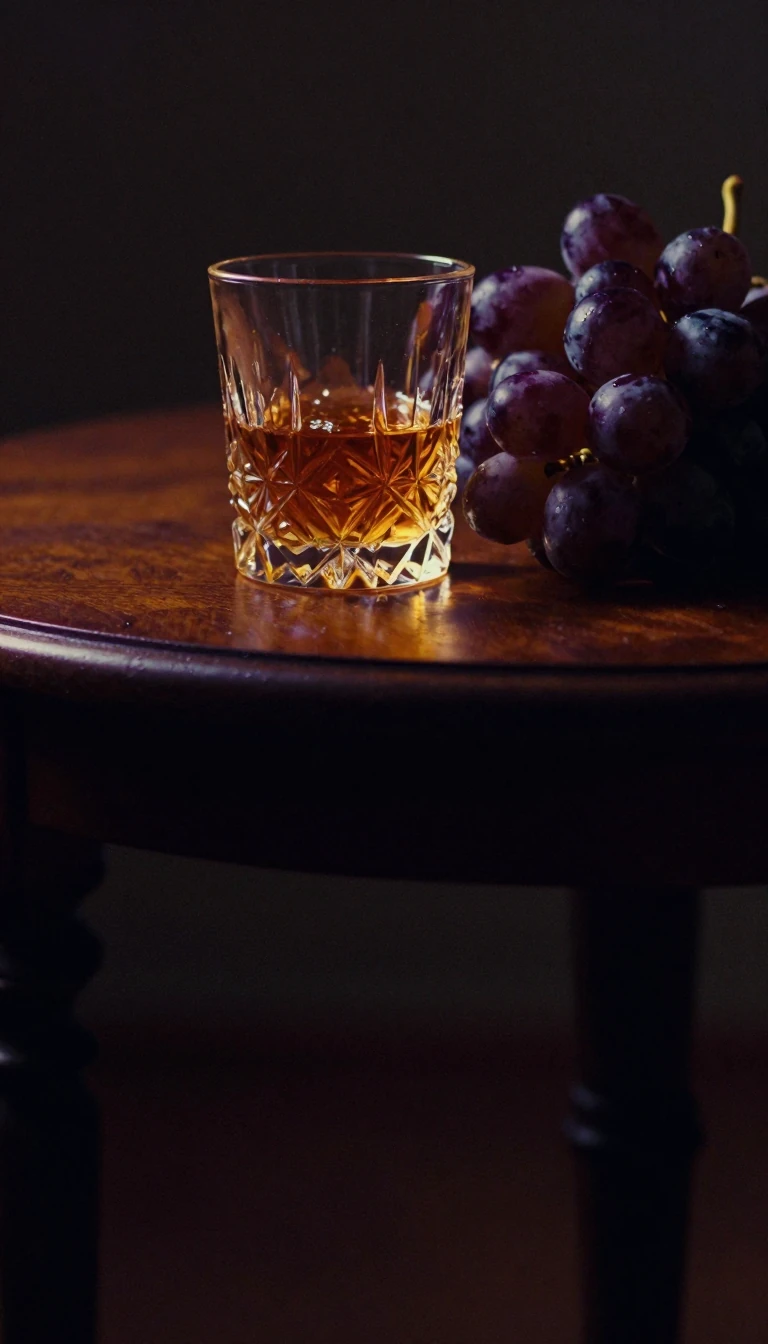
In short: Traditionally defined as spirits produced under the cover of darkness to evade taxes, moonshine is a potent symbol of American defiance. From the 1794 Whiskey Rebellion to the dangerous shortcuts of the Prohibition era, this unaged corn liquor has a complex legacy that balances cultural tradition against significant health risks.
The term moonshine emerged in the 15th century, but by 1785, it specifically described illicit liquor smuggled along the English coasts. In the United States, the practice gained momentum after the federal government imposed a tax on distilled spirits in 1791. For cash-poor farmers on the American frontier, whiskey served as a vital currency. When the government ignored their concerns regarding local security and imposed taxes they could not afford, western Pennsylvania farmers revolted. This culminated in the 1794 Whiskey Rebellion, where armed rebels gathered at Braddock’s Field. Although the uprising was eventually defused by federal militia, the tax was not revoked until 1802, setting a precedent for secret distillation.
During the Prohibition era of the 1920s, the demand for moonshine surged, leading to dangerous production methods. Because moonshiners often rushed the process, the resulting liquor was frequently contaminated. Using car radiators as condensers caused lead to leach into the spirit, while improper distillation could leave behind methanol, a toxic substance capable of causing blindness or death. Infamous cases, such as that of Mary Wazeniak, known as Moonshine Mary, highlighted the lethal consequences of these shoddy practices. Beyond physical danger, the era saw the rise of organized crime syndicates that controlled the distribution of illicit alcohol through networks of speakeasies.
Today, the definition of moonshine has evolved. While illegal production persists, commercial distillers now market legal varieties, often using the name to evoke an outlaw aesthetic. Traditional moonshine was typically made from a corn mash fermented with yeast, malt, and sugar, then distilled in copper pots heated to 172 °F (78 °C). Unlike aged whiskey, moonshine was packaged immediately, often with less added water to ensure a higher alcohol content. While historical moonshine was a product of necessity and rebellion, modern legal versions are crafted with more precision, though they continue to draw upon the lore of the Appalachian stills that once defined the craft.
Opens the Intellect+ feed with this card first. Swipe up for the next one.
Sources
- Summary by Intellect · source: Moonshine | Meaning, History, How It’s Made, Types, & Facts | Britannica
- Also: Moonshine
To cite this card, link to https://intellectplus.co.uk/app/food-moonshine.
How we source, check and correct cards: Editorial standards.
General information, not professional advice. Spotted an error? Flag the card or see corrections and complaints.
Intellect Plus is a visual educational discovery platform for exploring fascinating facts and ideas. Brain Food, Not Brain Rot. What is Intellect Plus?
Related
More in Cooking, food and drink · More in Food & Drink · Latest · A–Z · All topics
