Are these Himalayan dumplings actually a long-lost cousin of the Chinese steamed bun?
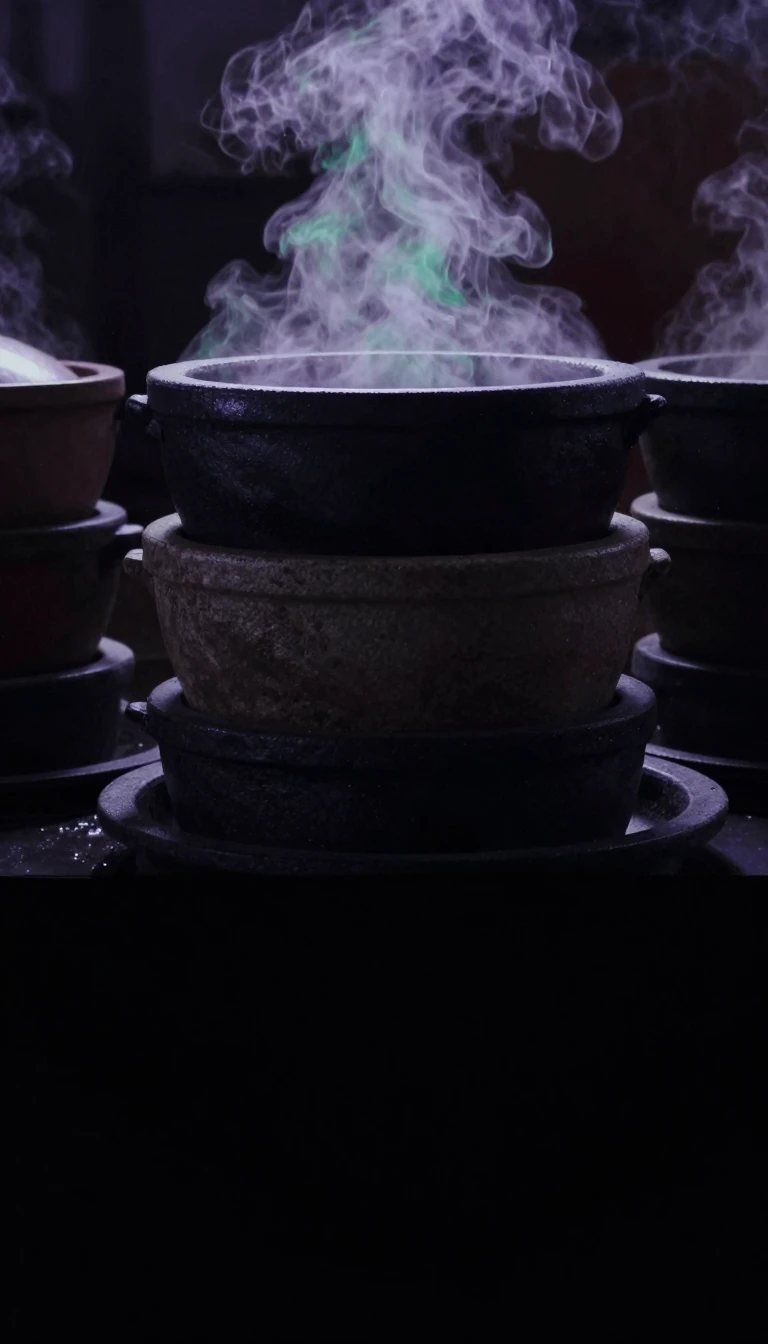
In short: The momo is a staple of Himalayan cuisine, yet its origins remain a subject of intense debate. Whether they traveled from the Kathmandu Valley to Tibet or arrived via ancient trade routes from China, these versatile dumplings have evolved from simple barley-flour parcels into a global culinary phenomenon.
The linguistic roots of the momo suggest a deep connection to Chinese culinary traditions. The term likely derives from the Chinese word 'momo' (馍馍), historically used in northwestern dialects to describe wheat-flour products like mantou. While early Chinese steamed buns did not differentiate between filled and unfilled varieties until the emergence of baozi during the Song dynasty (10th to 13th centuries), the concept of the dumpling itself is ancient. Excavations at the Astana Cemetery in northwestern China have unearthed dumplings dating between 499 AD and 640 AD, confirming their long-standing presence in the region.
The migration of the momo is shrouded in legend and historical speculation. One popular narrative credits the 7th-century Nepali princess Bhrikuti with introducing the dish to Tibet. However, historians often point to the 13th-century Mongol expansion as the primary vehicle for spreading dumpling culture. Another theory suggests that Newar merchants from Nepal, who traded extensively in Tibet, adopted the recipe and brought it back to the Kathmandu Valley. This debate persists, reflecting the complex cultural exchanges that defined the Himalayan trade corridors for centuries.
Modern momos have transcended their traditional origins, adapting to local tastes and dietary needs. Originally crafted with highland barley flour and filled with beef or mutton, the dish now predominantly features white-flour dough. As the recipe spread into the Indo-Gangetic Plains, vegetarian versions gained prominence to accommodate Hindu dietary practices. Today, fillings range from paneer and chhurpi cheese to mushrooms and even milk solids for dessert. Whether steamed in a traditional 'mucktoo' vessel, pan-fried as 'kothey', or served in a spiced 'jhol' broth, the momo remains a testament to the fluid, ever-evolving nature of regional foodways.
Opens the Intellect+ feed with this card first. Swipe up for the next one.
Sources
- Summary by Intellect · source: Momo (food)
To cite this card, link to https://intellectplus.co.uk/app/food-momo-food.
How we source, check and correct cards: Editorial standards.
General information, not professional advice. Spotted an error? Flag the card or see corrections and complaints.
Intellect Plus is a visual educational discovery platform for exploring fascinating facts and ideas. Brain Food, Not Brain Rot. What is Intellect Plus?
Related
More in Cooking, food and drink · More in Food & Drink · Latest · A–Z · All topics
