Why this humble kitchen staple is a frying powerhouse and a fuel source
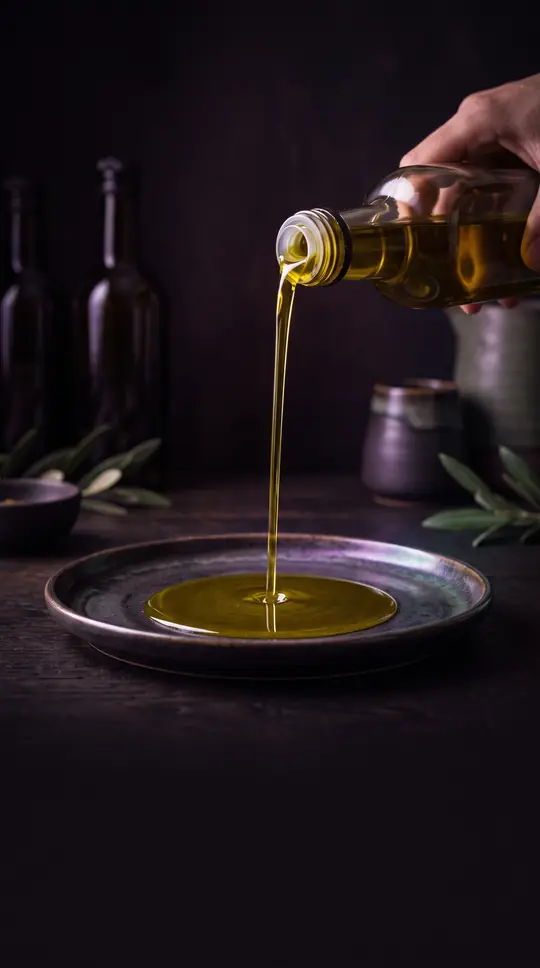
In short: Peanut oil is far more than a simple cooking fat. With a high smoke point and a versatile flavor profile, it has powered everything from French fry production to early diesel engines. Yet, its utility comes with nuances regarding allergies and quality control that every home cook should understand.
Derived from peanuts, this oil—also known as groundnut or arachis oil—is a global culinary workhorse. Its popularity surged in the United States during World War II due to widespread shortages of other cooking fats. Today, production is a massive global enterprise, with India and China accounting for 64% of the 6.4 million tonnes produced in 2023. Nigeria and Myanmar also serve as significant secondary producers, highlighting the crop's importance in diverse agricultural economies.
The oil's culinary application depends heavily on its processing. Refined peanut oil, which boasts a high smoke point of 450 °F (232 °C), is the industry standard for frying large batches of food. Conversely, unrefined or cold-pressed versions retain a distinct, nutty aroma, making them ideal for salad dressings, marinades, or as a flavorant similar to sesame oil. Beyond the kitchen, its chemical properties allow it to be used in skincare, massage, and even soap-making through saponification.
The versatility of peanut oil extends into the realm of energy. At the 1900 Paris Exhibition, the Otto Company demonstrated its potential as a diesel fuel, marking an early milestone in biodiesel technology. Crude oil can be converted into methyl ester fuel by reacting it with methanol and sodium hydroxide. However, safety remains a critical consideration. If quality control fails, the oil can be contaminated by aflatoxin, a toxic byproduct of mold found on peanuts. Furthermore, while highly refined peanut oil is generally safe for most allergic individuals, cold-pressed varieties can retain dangerous allergens, leading many experts to suggest that total avoidance is the most prudent path for those with severe sensitivities.
Opens the Intellect+ feed with this card first. Swipe up for the next one.
Sources
- Summary by Intellect · source: Peanut oil
To cite this card, link to https://intellectplus.co.uk/app/food-peanut-oil.
How we source, check and correct cards: Editorial standards.
General information, not professional advice. Spotted an error? Flag the card or see corrections and complaints.
Intellect Plus is a visual educational discovery platform for exploring fascinating facts and ideas. Brain Food, Not Brain Rot. What is Intellect Plus?
Related
More in Cooking, food and drink · More in Food & Drink · Latest · A–Z · All topics
