Beyond the kitchen: The surprising industrial versatility of humble corn oil
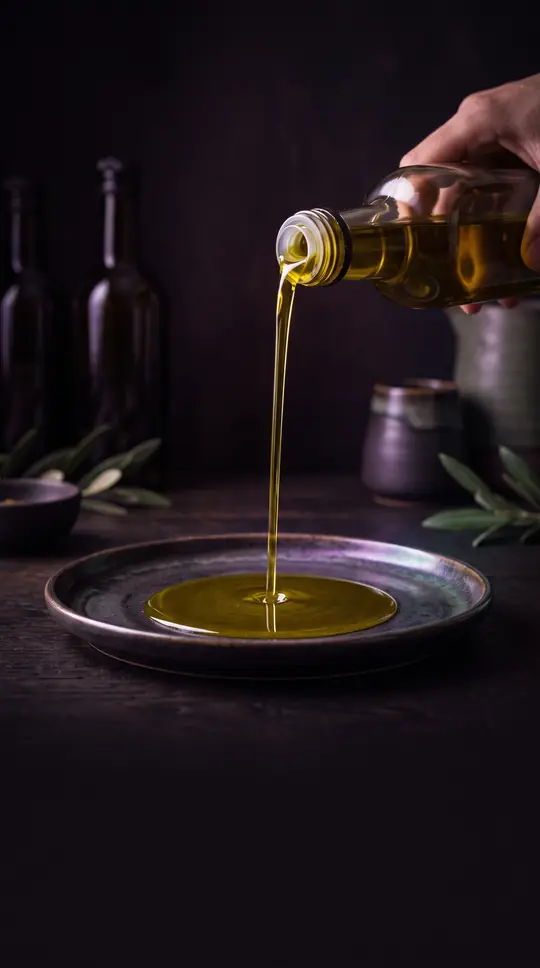
In short: Extracted from the germ of maize, corn oil is a staple in frying pans due to its impressive heat tolerance. Yet, this affordable fat serves roles far beyond cooking, from acting as a base for industrial lubricants and paints to functioning as a specialized tool for avian population management.
The process of creating corn oil is a technical feat of chemical engineering. Manufacturers typically begin by mechanically pressing the corn germ before utilizing chemical solvents like hexane or isohexane to pull the remaining oil from the plant material. Once the solvent is evaporated and recovered for future use, the raw oil undergoes a rigorous purification sequence. This includes degumming and alkali treatments to strip away unwanted phosphatides and free fatty acids, followed by bleaching to improve color.
The final stages of production ensure the oil is stable and suitable for high-heat applications. Through a process called winterization, producers remove waxes that might otherwise cloud the oil at lower temperatures. Finally, the product is deodorized using steam distillation in a high-vacuum environment at temperatures reaching between 232 and 260 degrees Celsius. This refinement ensures the oil maintains a high smoke point, making it a reliable choice for commercial frying.
Chemically, corn oil is a complex mixture of fatty acids. Its saturated fat profile is dominated by palmitic acid, which accounts for 80 percent of that category, while stearic acid and arachidic acid make up the remainder. The monounsaturated portion is almost entirely oleic acid, and the polyunsaturated content is overwhelmingly comprised of omega-6 linoleic acid. This specific composition contributes to its widespread utility, not just in food products like margarine, but in diverse industrial applications ranging from soap production and rustproofing to serving as a carrier for pharmaceutical drugs.
Beyond its culinary and industrial utility, corn oil plays a unique role in environmental management. It is frequently employed in egg addling, a method used to control bird populations. By coating eggs in the oil, the substance prevents oxygen from reaching the developing embryo, effectively halting its growth. This application highlights the oil's physical properties—specifically its ability to create an impermeable barrier—demonstrating how a common kitchen ingredient can be repurposed for highly specific, non-food tasks.
Opens the Intellect+ feed with this card first. Swipe up for the next one.
Sources
- Summary by Intellect · source: Corn oil
To cite this card, link to https://intellectplus.co.uk/app/food-corn-oil.
How we source, check and correct cards: Editorial standards.
General information, not professional advice. Spotted an error? Flag the card or see corrections and complaints.
Intellect Plus is a visual educational discovery platform for exploring fascinating facts and ideas. Brain Food, Not Brain Rot. What is Intellect Plus?
Related
More in Cooking, food and drink · More in Food & Drink · Latest · A–Z · All topics
