Beyond the frying pan: The complex science of the humble sunflower seed oil
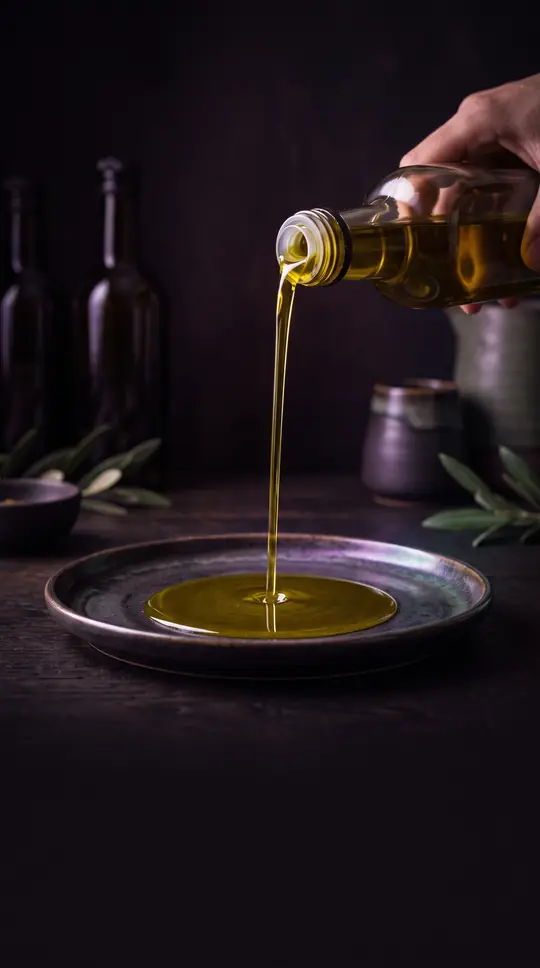
In short: Sunflower oil is more than a kitchen staple. From its ancient origins in North America to its role as a modern industrial powerhouse, this versatile fat is shaped by genome-level breeding. Whether powering diesel engines or protecting tomato crops, its chemical profile determines everything from culinary stability to cosmetic utility.
The sunflower, Helianthus annuus, has been a source of oil since its domestication around 3000 BC by Native Americans. Today, it is a global commodity, with Russia and Ukraine producing over half of the world's 20.3 million tonnes in 2022. The oil is primarily a triglyceride, composed of varying ratios of linoleic and oleic acids. Through selective breeding, scientists have developed four distinct varieties, including high-oleic and high-stearic types, to suit specific industrial and culinary needs. A 2017 genome analysis identified that the plant's oil metabolism and flowering time were major traits shaped by a genome duplication event roughly 29 million years ago, providing a roadmap for future hybrid development.
The oil's utility is dictated by its extraction and processing. While expeller pressing or cold-pressing preserves nutrients like vitamin E and phytochemicals, solvent extraction followed by refining creates a more stable product for high-temperature frying. However, this refinement process comes at a cost: it strips away flavor and nutrients while potentially creating trans fats. Because the oil is rich in polyunsaturated and monounsaturated fats, it is highly susceptible to oxidation. Proper storage in dark glass or UV-protected plastic is essential to prevent rancidity, as heat, light, and air rapidly degrade its quality.
Beyond the plate, the oil's applications are surprisingly diverse. Its high fat content makes it a candidate for biofuel, though its viscosity in cold weather remains a challenge. In agriculture, the European Union permits its use as a fungicide against powdery mildew on tomatoes. Meanwhile, the cosmetic industry utilizes derivatives like PEG-10 sunflower glycerides for formulations. Despite its ubiquity, some claims—such as its efficacy in treating eczema—have been debunked by research. As geopolitical shifts like the 2022 conflict in Ukraine demonstrate, the global supply chain for this oil is as volatile as the fatty acids that define its character.
Opens the Intellect+ feed with this card first. Swipe up for the next one.
Sources
- Summary by Intellect · source: Sunflower oil
To cite this card, link to https://intellectplus.co.uk/app/food-sunflower-oil.
How we source, check and correct cards: Editorial standards.
General information, not professional advice. Spotted an error? Flag the card or see corrections and complaints.
Intellect Plus is a visual educational discovery platform for exploring fascinating facts and ideas. Brain Food, Not Brain Rot. What is Intellect Plus?
Related
More in Cooking, food and drink · More in Food & Drink · Latest · A–Z · All topics
