The picnic began as a satirical jab at drunken, bickering, and gluttonous French aristocrats.
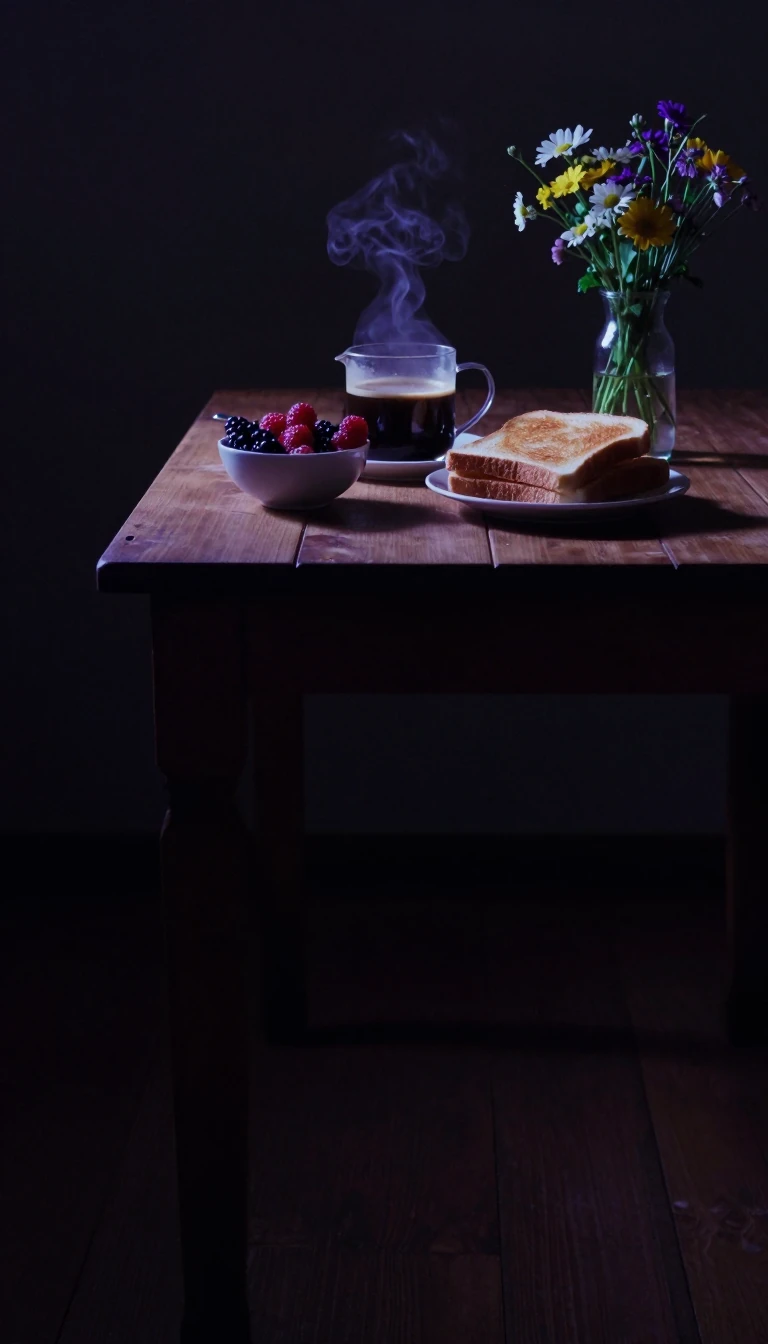
In short: Far from the idyllic image of a peaceful outdoor meal, the word picnic emerged in 17th-century France to mock a group of bacchic revelers. It evolved from a term for shared, paid-for indoor dining into a global cultural phenomenon, eventually becoming a tool for both political protest and artistic expression.
The term pique-nique first appeared in 1649 within a satirical broadside, Les Charmans effects des barricades, which ridiculed a band of brothers for prioritizing food and wine over their military duties during the Fronde. By 1694, it was defined in Gilles Ménage’s dictionary as a shared meal where each guest paid their own way, with no mention of the outdoors. It was not until the early 19th century that the English adopted the word to describe alfresco dining, a practice the French only later acknowledged as a legitimate picnic setting.
The picnic’s social function has always been complex. In 1802, London’s Pic Nic Society combined lavish meals with theatrical performances and gambling, while Jane Austen’s 1816 novel Emma famously portrayed picnics as settings for social friction and hurt feelings. By the 19th century, the concept had expanded into the political sphere; the 1989 Pan-European Picnic on the Hungarian-Austrian border became a pivotal moment in the struggle for German reunification, demonstrating how a simple meal can serve as a temporary occupation of public space.
Beyond social gatherings, the picnic has permeated literature and film as a potent metaphor. From the dark irony of Fernando Arrabal’s 1959 play, where a family picnic on a battlefield ends in tragedy, to the Strugatsky brothers’ 1972 novel Roadside Picnic, which imagines Earth as a site of discarded alien refuse, the term has been stretched far beyond its culinary roots. Whether depicted in the 1862 painting Le déjeuner sur l'herbe or the 1975 film Picnic at Hanging Rock, the picnic remains a versatile, often contradictory, fixture of human culture.
Opens the Intellect+ feed with this card first. Swipe up for the next one.
Sources
- Summary by Intellect · source: Picnic
To cite this card, link to https://intellectplus.co.uk/app/food-picnic.
How we source, check and correct cards: Editorial standards.
General information, not professional advice. Spotted an error? Flag the card or see corrections and complaints.
Intellect Plus is a visual educational discovery platform for exploring fascinating facts and ideas. Brain Food, Not Brain Rot. What is Intellect Plus?
Related
More in Cooking, food and drink · More in Food & Drink · Latest · A–Z · All topics
