Why a 17th-century physics experiment is the secret to perfect high-altitude cooking
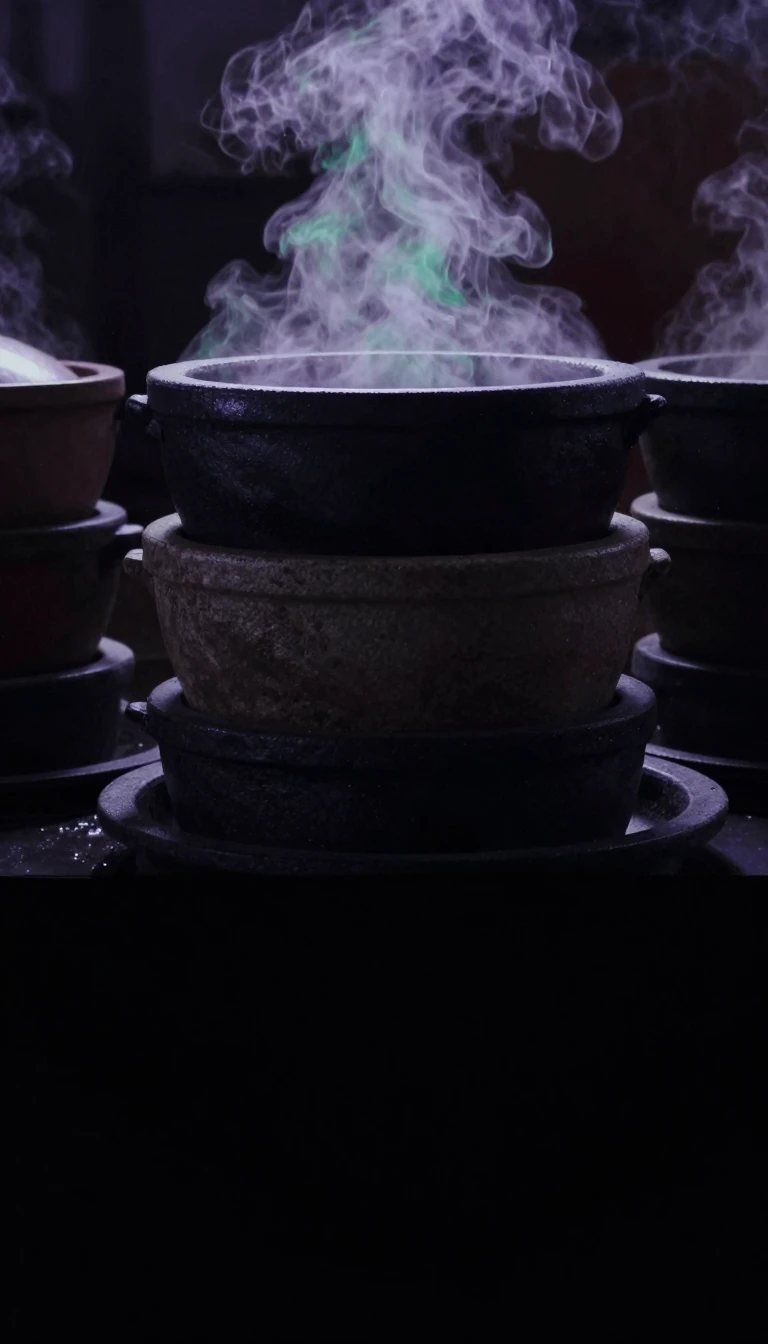
In short: Pressure cookers do more than save time; they manipulate the laws of thermodynamics to cook food at temperatures impossible in an open pot. By trapping steam to raise the boiling point of water, these vessels turn tough ingredients tender and make cooking possible in environments where water would otherwise barely simmer.
The pressure cooker traces its origins to 1679, when French physicist Denis Papin invented the steam digester to shorten cooking times. By creating an airtight seal, Papin trapped steam, which raised the internal pressure and, consequently, the boiling point of water. This mechanism allows food to reach temperatures between 100 °C and 121 °C, significantly accelerating the cooking process compared to conventional boiling. Because steam transfers heat exceptionally well through condensation, it bypasses the thermal boundary layers that slow down heating in standard ovens.
This technology is essential at high altitudes, where lower atmospheric pressure causes water to boil at much lower temperatures. On the summit of Mount Everest, water boils at just 70 °C, making it nearly impossible to cook vegetables effectively. Mountaineers have long relied on specialized, lightweight pressure cookers to compensate for this, ensuring that food reaches the necessary heat to become edible. Beyond convenience, research suggests pressure cooking can even reduce certain food toxins, such as aflatoxins in rice, more effectively than standard boiling.
Modern devices have evolved significantly from Papin’s prototype. While early versions used simple weight-modified valves—often called 'jigglers'—that released noisy bursts of steam, third-generation electric models now feature smart programming and non-venting designs. These units automatically regulate temperature and pressure, eliminating the need for manual monitoring. Although they cannot replicate the high-heat browning of the Maillard reaction—which requires temperatures above 120 °C—their efficiency and safety features have cemented their place in modern kitchens, even as the devices continue to adapt through innovations like integrated air-frying lids.
Opens the Intellect+ feed with this card first. Swipe up for the next one.
Sources
- Summary by Intellect · source: Pressure cooker
To cite this card, link to https://intellectplus.co.uk/app/food-pressure-cooker.
How we source, check and correct cards: Editorial standards.
General information, not professional advice. Spotted an error? Flag the card or see corrections and complaints.
Intellect Plus is a visual educational discovery platform for exploring fascinating facts and ideas. Brain Food, Not Brain Rot. What is Intellect Plus?
Related
More in Cooking, food and drink · More in Food & Drink · Latest · A–Z · All topics
