Why these ancient seeds are masquerading as grains in your kitchen pantry
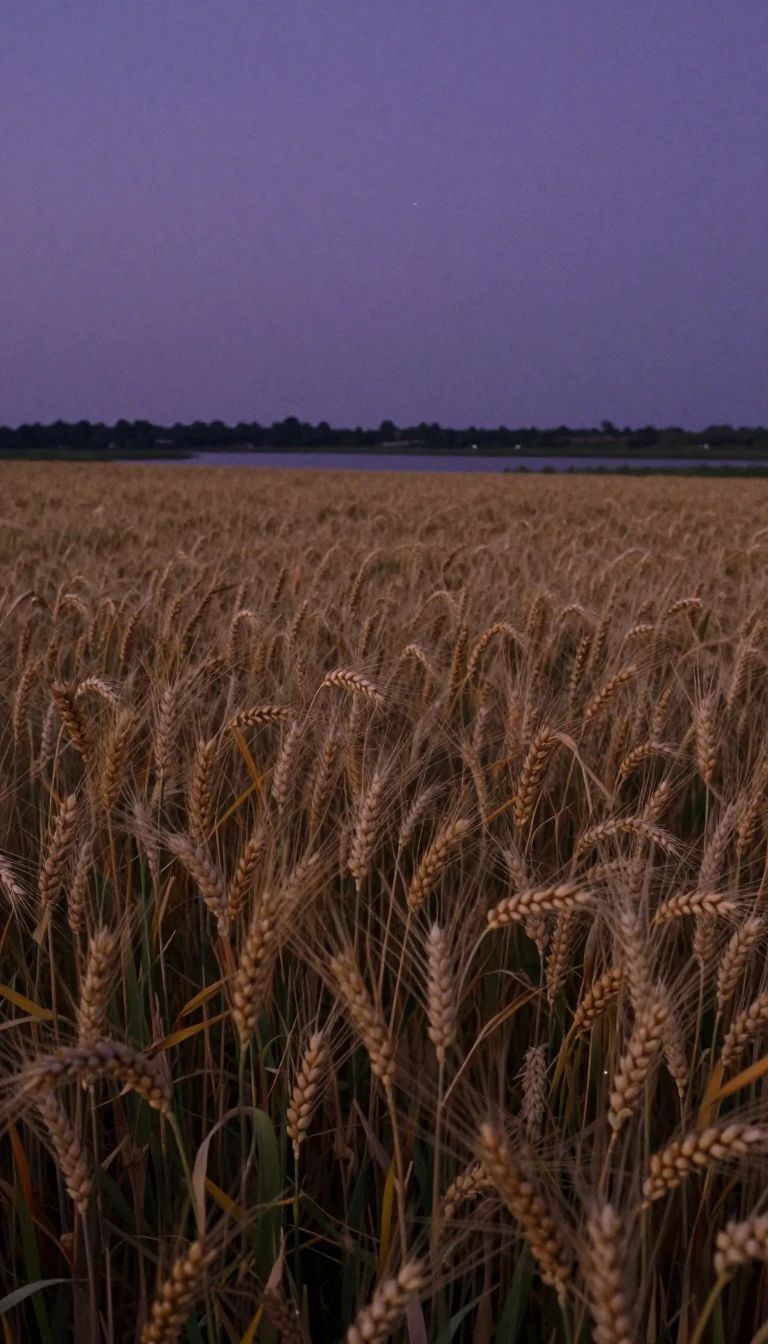
In short: While true cereals belong to the grass family, pseudocereals are botanical imposters that mimic the culinary utility of wheat and rice. These nutrient-dense seeds, including quinoa and amaranth, offer a gluten-free alternative that behaves like a grain when ground into flour, yet they possess a unique, distinct biological heritage.
The defining characteristic of a pseudocereal is its versatility. Unlike potatoes or other non-cereal staples, these seeds can be processed exactly like traditional grains. They are ground into flour or prepared in ways that mirror the use of wheat, barley, or oats. Botanically, however, they are not grasses. This distinction is crucial because it separates them from the Poaceae family, which includes all true cereals. Despite this difference, their functional properties—such as high water-binding capacity, swelling capability, and freeze-thaw stability—make them highly effective in modern cooking.
Nutritionally, pseudocereals are often lauded for their superior profiles compared to many common grains. They are rich in essential amino acids, essential fatty acids, minerals, and various vitamins. Their starch composition is particularly notable; most pseudocereals contain small granules and low amylose content, which gives them properties similar to waxy-type cereal starches. Buckwheat is the primary exception to this rule, as its starch behaves differently. Because these plants are naturally gluten-free, they have seen a significant surge in popularity as consumers seek out alternative ingredients for gluten-free diets.
The diversity within this category is vast. Prominent examples include quinoa, buckwheat, and amaranth—the latter being an ancient crop that once served as a staple for the Aztec Empire and is now widely cultivated across Africa. Other varieties, such as kañiwa, a close relative of quinoa, and wattleseed, demonstrate the global reach of these crops. Some, like cockscomb, are known by multiple regional names, including quail grass or soko. While some of these crops are tracked by global organizations like the FAO, many remain locally important staples that fall outside of international statistical reporting, highlighting a vast, under-documented world of ancient nutrition that continues to sustain communities today.
Opens the Intellect+ feed with this card first. Swipe up for the next one.
Sources
- Summary by Intellect · source: Pseudocereal
To cite this card, link to https://intellectplus.co.uk/app/food-pseudocereal.
How we source, check and correct cards: Editorial standards.
General information, not professional advice. Spotted an error? Flag the card or see corrections and complaints.
Intellect Plus is a visual educational discovery platform for exploring fascinating facts and ideas. Brain Food, Not Brain Rot. What is Intellect Plus?
Related
More in Cooking, food and drink · More in Food & Drink · Latest · A–Z · All topics
