Beyond the puffed disc: The global mastery of rice-based culinary architecture
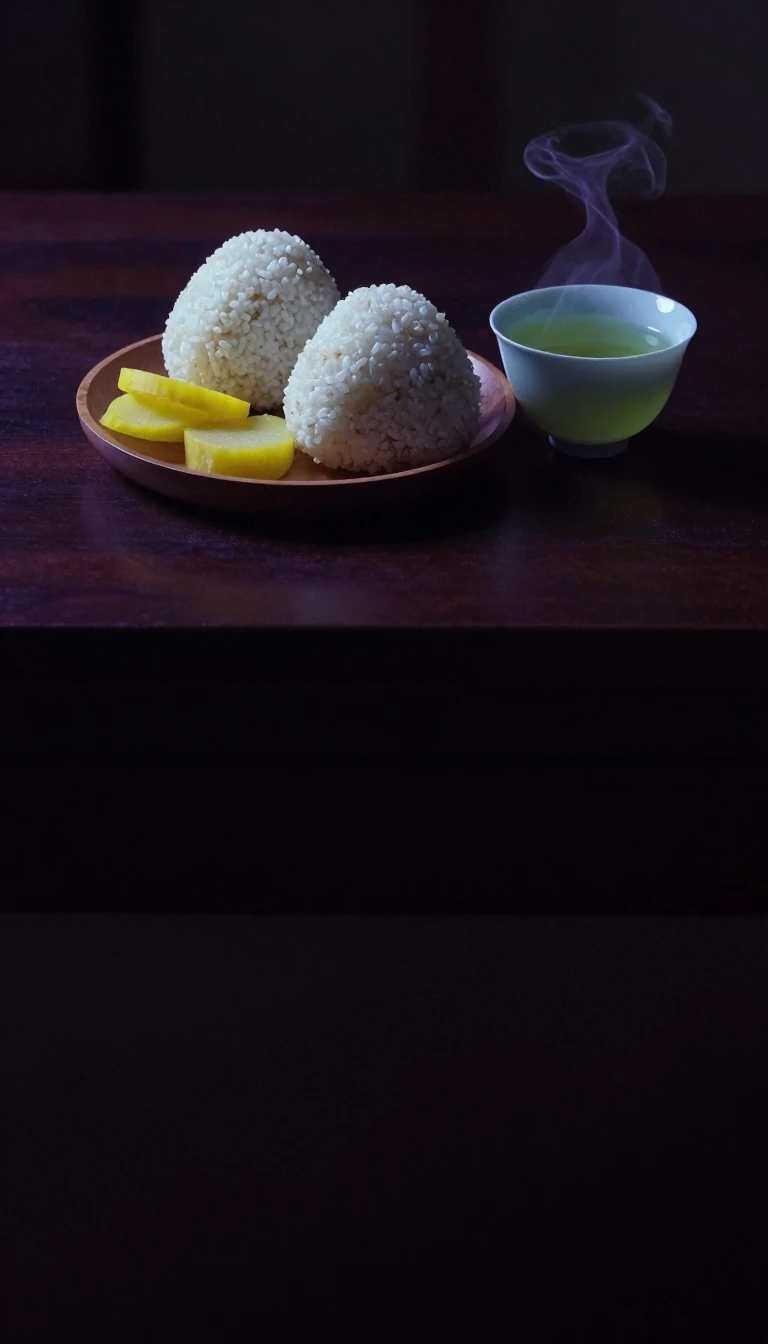
In short: Rice cakes are far more than the bland, airy snacks found in Western supermarkets. Across Asia and the Philippines, they represent a sophisticated tradition of transforming simple grains into complex, culturally significant forms—ranging from steamed pyramid towers to fermented, charcoal-baked delicacies that anchor ancestral festivals and seasonal celebrations.
At its core, a rice cake is any culinary creation where rice—whether as flour, ground meal, or whole grains—is condensed into a unified structure. This versatility allows for an immense spectrum of textures and flavors. In Cambodia, for instance, the pyramid-shaped Num kom is steamed to honor Buddhist pagoda towers, while the banana-leaf-wrapped Ansom chek serves as a staple during the Bun Pchum Ben festival. These preparations often rely on binding agents like coconut milk or palm sugar to achieve their desired consistency.
The Philippines offers a particularly rich taxonomy of these preparations, collectively known as kakanin, derived from the word for rice. Filipino rice cakes are broadly split into two categories: puto, which are steamed, and bibingka, which are baked. Traditionally, these rely on galapong, a viscous paste made from glutinous rice soaked overnight. This process often involves fermentation, a historical technique reflected in the term tinapay, which once referred to fermented rice products before shifting to mean bread in modern Filipino.
Chinese traditions demonstrate an equally diverse approach to the craft. Varieties like Nian gao involve pounding glutinous rice into a dense paste, while others, such as the steamed Fa gao, incorporate leavening agents to create a pastry-like texture. Some, like the Zèng gao, were historically cooked in ancient vessels called Zèng, highlighting the deep historical roots of these techniques. Whether it is the green-hued Qingtuan made with mugwort for the Qingming Festival or the simple, fried Ampaw puffed rice, these cakes are rarely just food; they are seasonal markers and vessels for cultural heritage.
The global variety of rice cakes underscores how a single, humble ingredient can be manipulated through steaming, frying, pounding, or baking to suit specific regional palates and ritual needs. From the sweet, coconut-dusted Num plae ai to the savory, grilled Erkuai of Yunnan, the rice cake remains a testament to human ingenuity in food preservation and festive expression.
Opens the Intellect+ feed with this card first. Swipe up for the next one.
Sources
- Summary by Intellect · source: Rice cake
To cite this card, link to https://intellectplus.co.uk/app/food-rice-cake.
How we source, check and correct cards: Editorial standards.
General information, not professional advice. Spotted an error? Flag the card or see corrections and complaints.
Intellect Plus is a visual educational discovery platform for exploring fascinating facts and ideas. Brain Food, Not Brain Rot. What is Intellect Plus?
Related
More in Cooking, food and drink · More in Food & Drink · Latest · A–Z · All topics
