Why the scorched bottom of your rice pot is a global culinary treasure
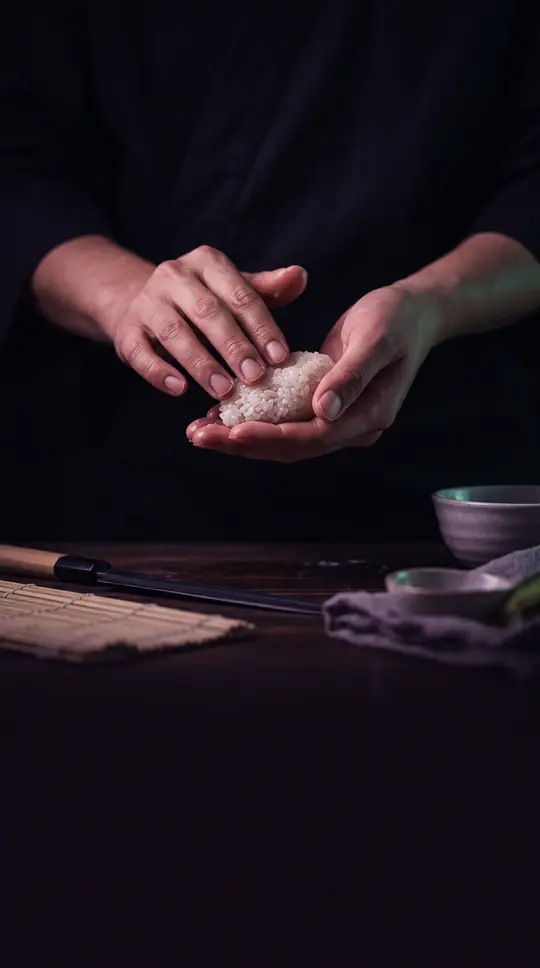
In short: Across cultures, the thin, crispy crust formed at the bottom of a rice pot is not a cooking failure, but a prized delicacy. From the Iranian tahdig to the Japanese okoge and the Korean nurungji, this toasted layer is celebrated for its unique texture, nutty flavor, and deep historical roots.
Scorched rice—known by names like guōbā in China, socarrat in Spain, and pegao in Puerto Rico—is a universal phenomenon born from the physics of cooking rice in a vessel. Traditionally, this crust formed naturally when rice was cooked over wood or charcoal fires, where heat regulation was imprecise. In Japan, the transition to electric rice cookers in the 20th century made the formation of okoge less common, leading manufacturers to eventually introduce specific settings to replicate the traditional effect. Similarly, in Vietnam, the modern convenience of electric cookers has shifted the preparation of cơm cháy from a byproduct of pot-cooking to a deliberate process of frying leftover rice in oil.
The culinary utility of scorched rice is vast. In Madagascar, the crust is boiled with water to create ranon'apango, a national drink prized for its golden-black color. In Indonesia, the Javanese intip is salvaged, dried, and deep-fried into a crispy cracker. In Korea, the 17th-century medical text Dongui Bogam recognized nurungji as a remedy for digestive issues, and today it is used in everything from snacks to pizza. In Iran, the concept of tahdig is so refined that cooks often place ingredients like yogurt, saffron, or thin bread at the bottom of the pot to ensure a flavorful, caramelized crust forms intentionally.
While some cultures once viewed scorched rice as a sign of poverty or a mistake, it has largely been rebranded as a staple or a specialty. Whether it is the hikakeh of Iraq, the kokorota of Cape Verde, or the bun bun of the Caribbean, the crust is valued for its ability to absorb sauces, provide a satisfying crunch, or serve as a standalone snack. Today, the demand for this texture is so high that commercial production of products like guōbā has been standard since the 1980s, ensuring that this ancient byproduct remains a vibrant part of global food culture.
Opens the Intellect+ feed with this card first. Swipe up for the next one.
Sources
- Summary by Intellect · source: Scorched rice
To cite this card, link to https://intellectplus.co.uk/app/technology-scorched-rice.
How we source, check and correct cards: Editorial standards.
General information, not professional advice. Spotted an error? Flag the card or see corrections and complaints.
Intellect Plus is a visual educational discovery platform for exploring fascinating facts and ideas. Brain Food, Not Brain Rot. What is Intellect Plus?
Related
More in Inventions · More in Technology · Latest · A–Z · All topics
