The ancient Italian cheese that is technically not a cheese at all
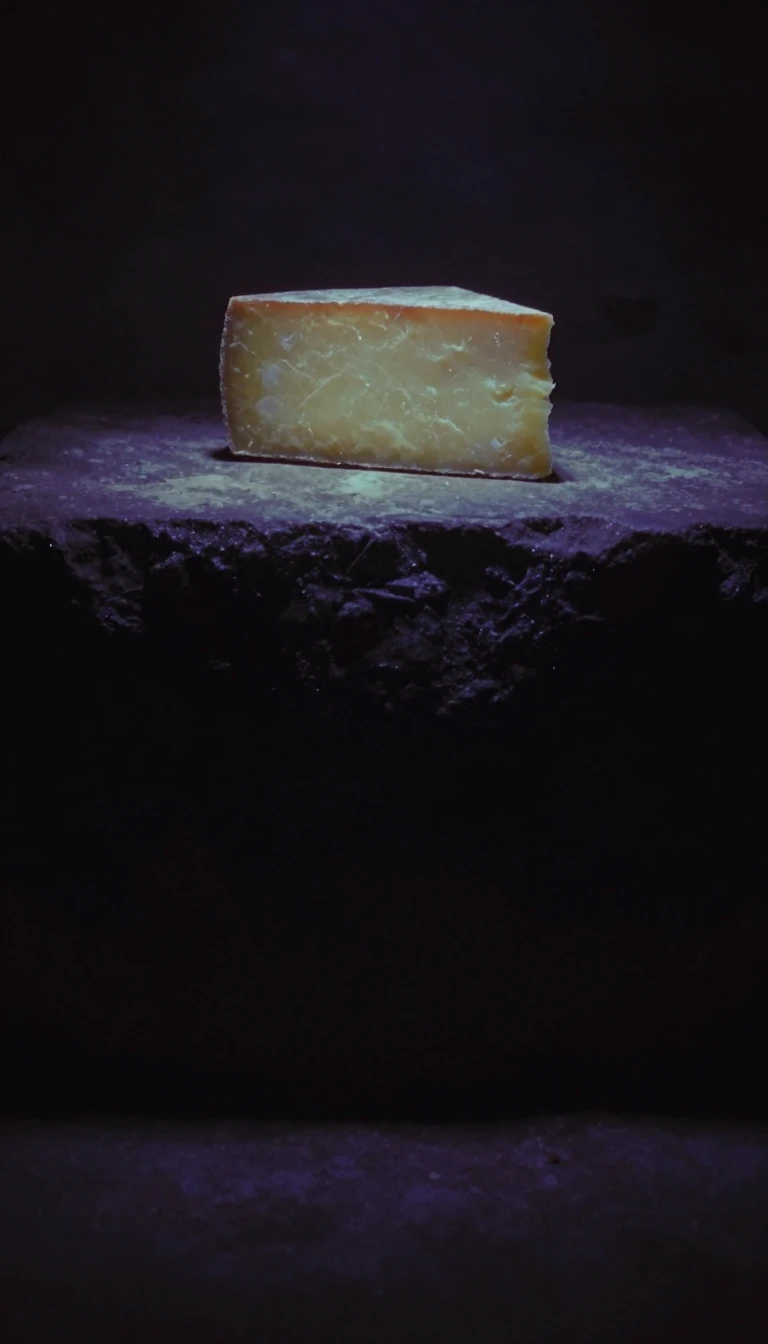
In short: Ricotta, which translates to recooked, is a byproduct of cheesemaking. While modern versions often use milk, traditional production relies on the leftover whey from other cheeses. By heating this liquid and adding acid, makers force proteins to flocculate, creating the creamy, delicate curd we recognize today as ricotta.
The history of ricotta stretches back to the Bronze Age on the Italian peninsula. Archaeological evidence, such as unique ceramic milk boilers, suggests that early inhabitants were producing acid-coagulated cheeses long before the rise of the Roman Empire. Despite its ancient roots, ricotta was largely absent from the writings of prominent Roman agriculturalists like Cato the Elder and Columella. This silence likely stems from the product's extreme perishability, which made it unsuitable for urban trade and relegated it to the diets of rural herders.
The mechanism behind ricotta is a masterclass in resourcefulness. When cheesemakers shifted toward rennet-coagulated varieties, they were left with massive quantities of sweet whey. By allowing this whey to acidify for 12 to 24 hours and then heating it to near-boiling temperatures, they could denature the albumin and globulin proteins. This process causes the proteins to clump together into fine curds, which are then strained through cloth. While the basic method has remained largely unchanged for millennia, modern production has evolved to include various aged, salted, smoked, and baked iterations.
Today, ricotta is a global culinary staple, appearing under various names and regional adaptations. In France, it is known as Brousse or Brocciu, while in the Balkans, it is called urdă. In the United States, the product is typically made from cow's milk whey and tends to be slightly saltier than its Italian counterpart. Whether it is the pungent, aged ricotta forte of Lecce or the fresh, sweet variety used in Sicilian cannoli, the essence of the product remains its ability to transform the discarded remnants of other cheeses into a versatile, protein-rich ingredient.
Opens the Intellect+ feed with this card first. Swipe up for the next one.
Sources
- Summary by Intellect · source: Ricotta
To cite this card, link to https://intellectplus.co.uk/app/food-ricotta.
How we source, check and correct cards: Editorial standards.
General information, not professional advice. Spotted an error? Flag the card or see corrections and complaints.
Intellect Plus is a visual educational discovery platform for exploring fascinating facts and ideas. Brain Food, Not Brain Rot. What is Intellect Plus?
Related
More in Cooking, food and drink · More in Food & Drink · Latest · A–Z · All topics
