The red tea that was once impossible to grow until ants saved the industry.
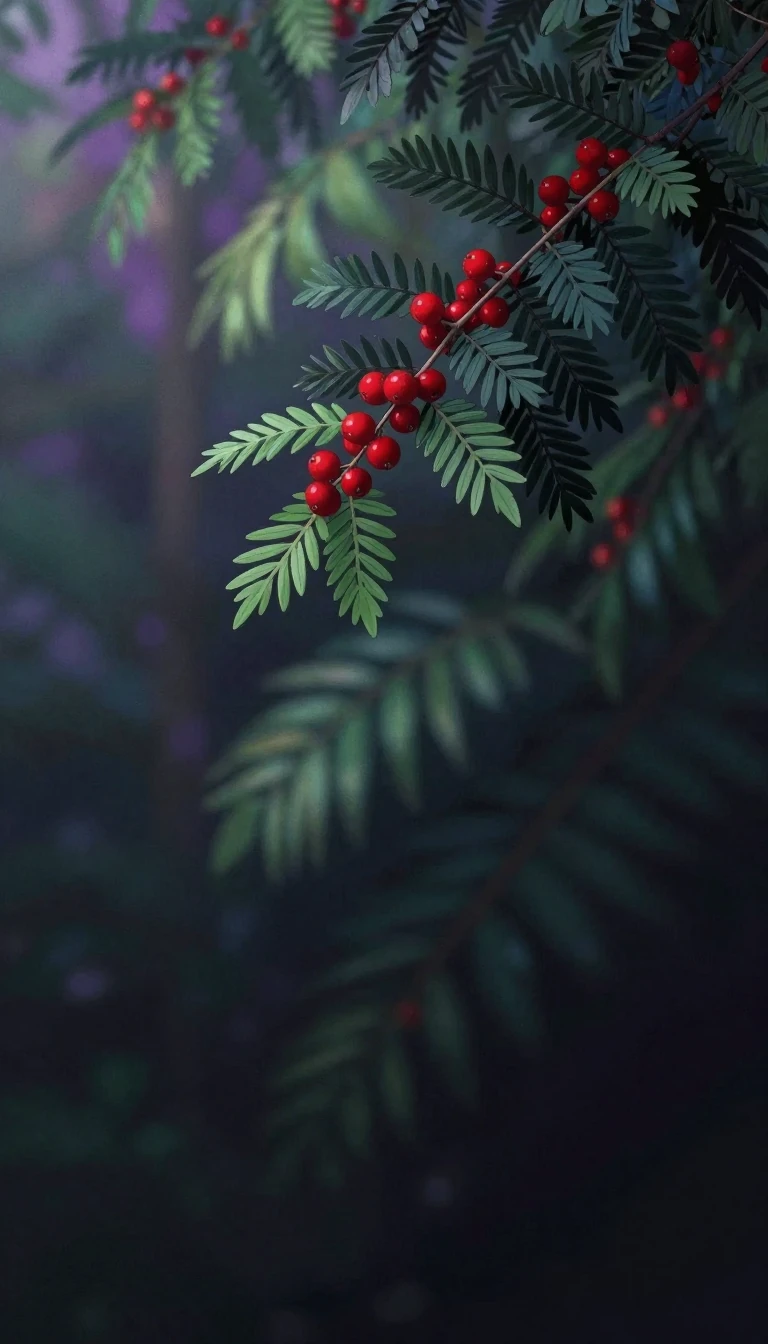
In short: Rooibos is a caffeine-free herbal infusion from South Africa's Cederberg mountains. While it is now a global commodity, its commercial success was stalled for years because farmers could not figure out how to germinate its stubborn seeds. The breakthrough came from an unlikely source: a local woman following ants.
Rooibos, or Aspalathus linearis, is a member of the Fabaceae family endemic to the Fynbos biome of South Africa. For generations, local inhabitants harvested wild plants, beating the leaves on rocks to process them. However, the plant remained elusive for commercial farming until the early 20th century. Benjamin Ginsberg, known as the father of the industry, attempted to cultivate it in 1904, but the seeds refused to sprout. The mystery was solved by Pieter le Fras Nortier, a district surgeon who, in 1930, learned from an elderly Khoi woman that ants were the key. She had observed ants collecting seeds and storing them in nests; by breaking open these nests, she revealed a hidden granary of viable seeds.
Nortier discovered that rooibos seeds require scarification—a process to break their hard shells—before planting in acidic, sandy soil. This innovation transformed rooibos from a wild-harvested curiosity into a stable agricultural crop. Today, the industry is centered in a 60,000-hectare area in the Cederberg region. The plants are typically reseeders, meaning they rely on fire to trigger germination in the wild, though cultivated varieties are managed through specific horticultural techniques. The plant also maintains a symbiotic relationship with soil micro-organisms to fix nitrogen, which is essential for its growth in the nutrient-poor Fynbos environment.
The global reach of rooibos has led to significant legal protections. In 2005, a US trademark monopoly held by Burke International was overturned, returning the name to the public domain. More recently, the European Union granted rooibos protected designation of origin status in 2021, ensuring that only tea derived from A. linearis grown in the Cederberg region can carry the name. As of 2025, Japan stands as the largest export market, consuming 33% of South Africa's total output. Despite its popularity, the industry faces ongoing challenges, including the threat of climate change and the ecological impact of expanding cultivation on other endemic plant species.
Opens the Intellect+ feed with this card first. Swipe up for the next one.
Sources
- Summary by Intellect · source: Rooibos
To cite this card, link to https://intellectplus.co.uk/app/food-rooibos.
How we source, check and correct cards: Editorial standards.
General information, not professional advice. Spotted an error? Flag the card or see corrections and complaints.
Intellect Plus is a visual educational discovery platform for exploring fascinating facts and ideas. Brain Food, Not Brain Rot. What is Intellect Plus?
Related
More in Cooking, food and drink · More in Food & Drink · Latest · A–Z · All topics
